
At a Glance
The Highlands is a quiet Northwest Austin residential pocket known for mature trees and established homes
Most homes were built between the 1970s and 1990s with ongoing renovations
Lifestyle is low-traffic, suburban, and family-oriented
Buyers are drawn to school access, stability, and proximity to major corridors
It’s a “steady demand” neighborhood rather than a high-volatility market
The Highlands doesn’t announce itself.
You don’t drive in and feel like you’ve entered a branded community or a master-planned development with gates and signage.
It just is.
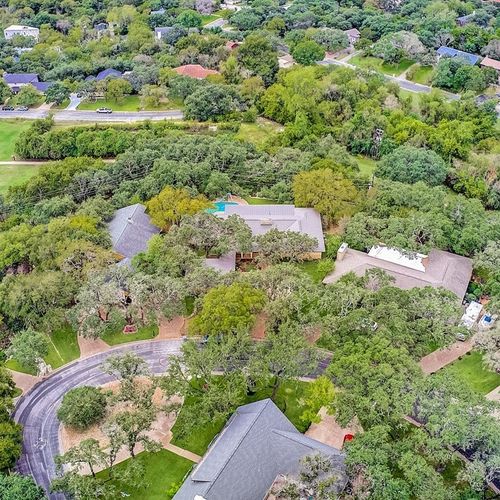
Quiet streets. Mature trees. Homes that have been lived in long enough to feel familiar even on a first visit.
And that’s the point.
The Highlands isn’t trying to impress you.
It’s trying to stay consistent.
Where The Highlands sits in Austin
The Highlands is located in Northwest Austin, tucked into the broader Balcones / Far West Austin corridor, not far from major arteries like US-183 and Loop 360.
That location gives it a specific advantage:
Central enough for reasonable commutes
Residential enough to avoid through-traffic chaos
Close to retail and school corridors without feeling commercial
It sits in that “quiet middle” zone of Northwest Austin—where you’re close to everything, but not in the middle of it.
The homes: older bones, modern layers
Most homes in The Highlands were built between the late 1970s and early 1990s.
That means you get a consistent architectural baseline:
Traditional suburban layouts
Brick and stone exteriors
Single and two-story configurations
Mature lot placement with large trees
But what makes the neighborhood interesting is what’s happened since.
Many homes have been:
Fully renovated
Partially updated
Or left largely original
So the inventory feels layered, not uniform.
You’ll see:
Modern interiors behind older exteriors
Open-concept remodels in classic footprints
Original-condition homes with strong renovation potential
For buyers, that creates choice—but also comparison pressure.
Every home is measured against the last one.
Lifestyle: quiet, predictable, and deeply residential
The Highlands doesn’t have a “scene.”
It has a rhythm.
Daily life tends to look like:
Morning commutes along nearby corridors
School runs through established routes
Evenings spent in quiet backyards or nearby parks
Weekends centered around errands and local shopping
There’s no real sense of transient traffic or constant activity.
It’s a neighborhood where people settle in and stay.
That stability is part of its identity.
Schools and long-term demand drivers
Like much of Northwest Austin, The Highlands is influenced by strong public school access through Austin ISD and nearby districts depending on exact zoning boundaries. (austinisd.org)
For buyers, schools often play a major role in decision-making here.
Not just for families—but for resale logic.
Because in established neighborhoods like this, school access tends to stabilize long-term demand, even when the broader market shifts.
That’s one reason The Highlands avoids extreme volatility.
It’s anchored by consistent buyer pools.
Commute and access: one of its quiet strengths
The Highlands benefits from its proximity to major Austin corridors:
Typical commute expectations:
Downtown Austin: ~20–30 minutes depending on traffic
The Domain: ~10–20 minutes
Major tech corridors: ~15–25 minutes
It’s not “walk out and you’re there” central.
But it’s not remote either.
It sits in a practical middle zone where most daily needs are reachable without long drives.
The tradeoff is timing.
Like most of Austin, commute experience depends heavily on rush hour flow.
What buyers like most about The Highlands
Buyers tend to respond to three consistent traits:
1. Trees and established feel
Mature landscaping is a major draw. You don’t get the “new construction bareness” here.
2. Predictable streets
No chaotic development patterns or inconsistent housing clusters.
3. Value stability
Prices tend to move steadily rather than dramatically, which appeals to long-term planners.
It’s not a hype neighborhood.
It’s a stability neighborhood.
And that matters in 2026.
Pricing behavior: steady, not spiky
The Highlands doesn’t usually experience extreme price swings.
Instead, it behaves more like:
Slow appreciation cycles
Tight comp-based valuation
Condition-sensitive pricing differences
Two homes on the same street can differ significantly based on:
Renovation level
Lot size and tree coverage
Interior layout updates
But overall, pricing tends to stay anchored.
That predictability is part of the appeal—and part of why investors don’t dominate the area.
It’s more owner-occupied than speculative.
The tradeoffs (because every neighborhood has them)
The Highlands is solid, but not perfect.
What you give up:
Walkable retail or entertainment
New construction consistency
Master-planned amenities
Trend-driven appreciation spikes
What you gain:
Mature trees and shade
Established community feel
Strong school access
Stable long-term value
Quiet residential streets
It’s not trying to compete with newer developments.
It’s offering something older—and steadier.
Who The Highlands is best for
This neighborhood tends to attract:
Families prioritizing schools and stability
Buyers upgrading from starter homes
Long-term Austin residents
Professionals who want quiet residential living near major roads
It’s less common for:
Short-term investors
Walkability-first buyers
Trend-driven relocations
The buyer profile is consistent.
And consistency keeps the neighborhood stable.
How it compares to nearby areas
Compared to nearby Northwest Austin neighborhoods like Cat Mountain or Balcones Village:
The Highlands is flatter and more straightforward
Less view-driven than hillside areas
More uniform in street layout
Slightly more budget-accessible depending on condition
It sits in the “middle ground” category:
not luxury hillside, not entry-level suburb—just established Northwest Austin living.
Questions buyers ask most often
Is The Highlands a good place to live in Austin?
Yes. It’s a stable, established Northwest Austin neighborhood with strong long-term residential appeal.
Are homes updated or mostly original?
It’s mixed. Many homes have been renovated, but original-condition properties still exist.
How are the schools?
School zoning depends on exact location, but AISD access is a key factor in demand. (austinisd.org)
Is it walkable?
Not particularly. Most errands require driving.
What’s the biggest appeal?
Mature trees, stable pricing, and a quiet residential environment close to major Austin corridors.
Final thoughts
The Highlands isn’t flashy.
It doesn’t rely on views or hype or new construction energy.
It relies on time.
On streets that have already proven themselves.
On homes that have been lived in long enough to settle into the land.
And in a fast-moving city like Austin, that kind of stability is its own form of value.
Because not every neighborhood is trying to be the next big thing.
Some are just trying to remain solid.
And The Highlands does exactly that.
Quietly. Consistently. Without asking for attention.
#NWHills
Check out this article next