

At a Glance
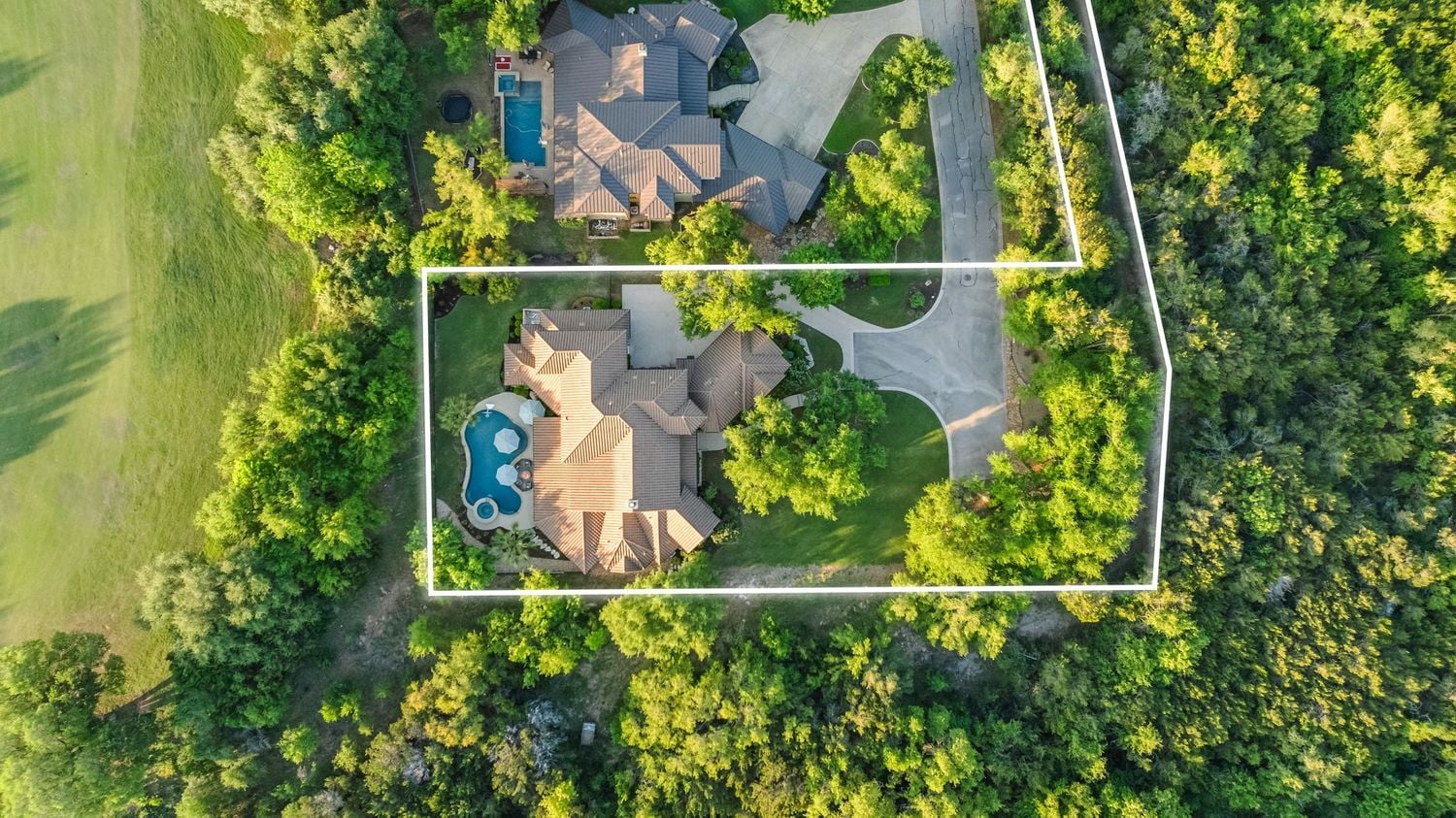
Heritage trees in Northwest Hills often add value through privacy, shade, and lot character—but they also limit buildability and expansion.
Lot topography (flat vs. sloped) can shift pricing significantly, even between similar homes on the same street.
Neighborhood pockets like Cat Mountain, Chimney Corners, and Courtyard each show distinct “terrain-driven” buyer preferences.
Steeper lots can offer views, but they come with construction complexity and higher long-term maintenance considerations.
The highest-value properties tend to balance usable flat space, preserved tree canopy, and functional orientation.
Why do trees and terrain matter so much in Northwest Hills?
Northwest Hills doesn’t behave like a typical Austin neighborhood. It never really has.
You’re dealing with limestone ridges, sudden elevation changes, and a mature tree canopy that’s been growing longer than most of the homes sitting underneath it. That combination creates something simple in theory but complicated in practice: value isn’t just about square footage here. It’s about how the land behaves.
Two lots can sit a few hundred feet apart and feel like different worlds. One might sit level with a quiet street, open and predictable. Another might drop sharply into a canyon pocket with oak coverage so thick it feels like its own ecosystem.
Buyers notice that instantly—even if they can’t always explain it.
What role do heritage trees play in home value?
Heritage trees in Austin aren’t just landscape features. They’re regulated, protected, and deeply tied to how neighborhoods like Northwest Hills evolved.
In practical terms, a heritage oak or cedar elm can affect a property in three major ways:
1. Privacy without fences
Older trees often do what new landscaping can’t replicate. They soften sightlines, block second-story windows from neighboring homes, and create natural separation. In areas like Chimney Corners, that canopy is often what makes mid-century homes feel tucked away instead of exposed.
2. Cooling and livability
Shaded roofs and driveways matter more than people expect in Austin heat. Homes with dense canopy coverage often show lower perceived “summer fatigue” during showings. It’s subtle, but it influences emotional pricing.
3. Design constraints
Here’s where things get less romantic. Heritage trees restrict where you can build, expand, or even install certain hardscape features. A pool placement or addition might be shaped more by root protection zones than by architectural vision.
That tension—between beauty and limitation—is baked into Northwest Hills pricing.
You can see it clearly in areas like Cat Mountain, where larger lots often carry multiple protected trees. Some buyers see opportunity. Others see constraint. The market prices both reactions.
How does lot topography influence value in Northwest Hills?
If trees are the personality of a lot, topography is its skeleton.
Northwest Hills sits on a series of rolling elevations that don’t follow a clean grid. That creates three common lot types:
1. Flat or gently sloped lots
These are the most flexible. They’re easier to build on, easier to expand, and typically more predictable in terms of utility placement.
Buyers planning long-term ownership often prioritize these lots in Courtyard-style enclaves, where function matters more than dramatic elevation.
2. Moderate slope lots
This is the “middle market” of terrain. You get some elevation, some character, and occasionally filtered views—but without extreme engineering requirements.
These lots often sell fastest when they are paired with updated homes. The land feels usable without being complicated.
3. Steep hillside lots
This is where Northwest Hills becomes visually dramatic.
In pockets near Chimney Corners and certain edges of Cat Mountain, steep lots create layered homes, split-level designs, and multi-terrace yards. The upside is clear: privacy and views. The tradeoff is equally clear: construction cost, drainage complexity, and limited outdoor usability.
Builders in Austin know this well. Engineering a hillside home here isn’t just design—it’s negotiation with gravity.
Why do buyers respond so differently to the same terrain?
There’s a pattern that shows up constantly in showings across Northwest Hills.
Two buyers walk the same property:
One sees “potential for a view deck”
The other sees “maintenance and slope issues”
Neither is wrong. They’re just operating with different mental models.
Out-of-state buyers often lean toward views and separation. Long-time Austin buyers tend to prioritize usability and shade consistency over elevation.
That split is one reason pricing in this area feels inconsistent on paper but logical in person.
How do Cat Mountain, Courtyard, and Chimney Corners differ?
These sub-neighborhoods sit close together, but the land tells different stories in each.
Cat Mountain
Cat Mountain tends to have larger lots with more pronounced elevation shifts. You’ll find homes that step down into the terrain, often designed around preserving existing trees instead of clearing them.
The most desirable floor plans here tend to:
Separate living and bedroom wings across levels
Maximize view corridors without removing canopy
Use terraces instead of flat yards
Courtyard
Courtyard areas lean more structured. Lots are often more predictable, with gentler slopes and more uniform build pads.
Buyers here usually prioritize:
Functional floor plans
Easier remodeling potential
Driveway and garage accessibility
Chimney Corners
Chimney Corners feels the most tucked-in. It’s where tree density and slope combine most noticeably.
Homes here often benefit from:
Natural privacy screens
Smaller, more intimate outdoor spaces
Architectural designs that adapt to terrain instead of fighting it
These differences matter when pricing homes that otherwise look similar on a listing sheet.
What does this mean for long-term home value?
The market in Northwest Hills doesn’t reward one single “ideal” lot type. Instead, it rewards alignment.
A few consistent patterns show up:
Flat lots with mature trees tend to hold the broadest buyer pool
Sloped lots with views attract a narrower but highly motivated segment
Heavily wooded lots often command emotional premiums even when usability is lower
The key variable is balance.
A property that has extreme slope but no usable outdoor space will struggle against a similar home with moderate slope and a functional yard. Likewise, a flat lot without canopy coverage can feel exposed in a way that quietly affects perceived value.
The long-term winners tend to be properties that don’t push too far in either direction.
Are heritage trees ever a liability?
They can be—depending on context.
From a resale standpoint, challenges show up when:
Tree root zones limit expansion options
Large trees are too close to foundations or driveways
Canopy density reduces natural light in key living areas
That said, removal is rarely simple or cheap. City protections and permitting processes can turn what looks like a straightforward project into a long timeline.
This is why experienced buyers often evaluate both the trees and the terrain together, not separately.
For reference on local regulations, resources like the City of Austin and Travis Central Appraisal District help clarify how land use and valuation are structured:
How should buyers think about terrain when shopping here?
The mistake most people make is treating land like background scenery.
In Northwest Hills, it’s the opposite. The land is the structure. The house is what adapts.
A practical way to evaluate it:
Start with how you actually live (kids, pets, outdoor use)
Then assess how the slope supports or complicates that lifestyle
Finally, consider how trees enhance or restrict future changes
If those three layers line up, the property tends to hold value more consistently.
For buyers wanting to explore current inventory, this is where a structured search helps:
https://leverageteam.com/home-search/
And for deeper neighborhood context:
https://leverageteam.com/blog/
What do schools and infrastructure have to do with it?
Not directly—but they shape demand, which shapes pricing.
Northwest Hills sits within Austin ISD, and school zoning often reinforces long-term stability in certain pockets. You can explore district boundaries and performance data here:
Infrastructure—roads, drainage, utility access—also interacts heavily with terrain. Steeper streets and older subdivisions sometimes require more maintenance planning, especially after heavy rain cycles.
Questions buyers and sellers usually ask
Do heritage trees always increase home value?
Not always. They increase desirability when they add privacy and shade, but can reduce value if they limit usable space or future expansion.
Are steep lots harder to sell in Northwest Hills?
They can take longer to sell, but well-designed homes with views often attract very motivated buyers. It depends on execution, not just slope.
Which matters more: trees or topography?
Topography tends to set the foundation of value. Trees refine it. Together, they define how the property feels and functions.
Can you build additions around heritage trees?
Sometimes, but it requires careful planning and compliance with city protection rules. Feasibility varies significantly by lot.
What type of lot holds value best long-term?
Moderate slope with mature canopy tends to strike the most stable balance between usability, privacy, and resale flexibility.
Northwest Hills rewards patience more than noise. The land here isn’t flat, and neither is the market logic. Trees grow slowly. Hills don’t apologize. And value, in the end, follows the shape of both.
If you’re thinking about buying or selling in this area, it helps to read the land the way long-time locals do—not just by square footage, but by slope, shade, and how the property settles into its surroundings.
When you’re ready, the conversation is simple and unforced.
https://leverageteam.com/contact/
#NWHills
Check out this article next