

At a Glance
Most inspection negotiations in Northwest Hills come down to a few high-impact items, not a long repair list
Sellers here tend to prioritize structural, roof, and system issues over cosmetic fixes
Older homes in areas like Cat Mountain and Chimney Corners require a different negotiation strategy
The strongest approach is focused, reasonable, and grounded in local expectations—not exhaustive
Why does the inspection phase matter more in Northwest Hills?
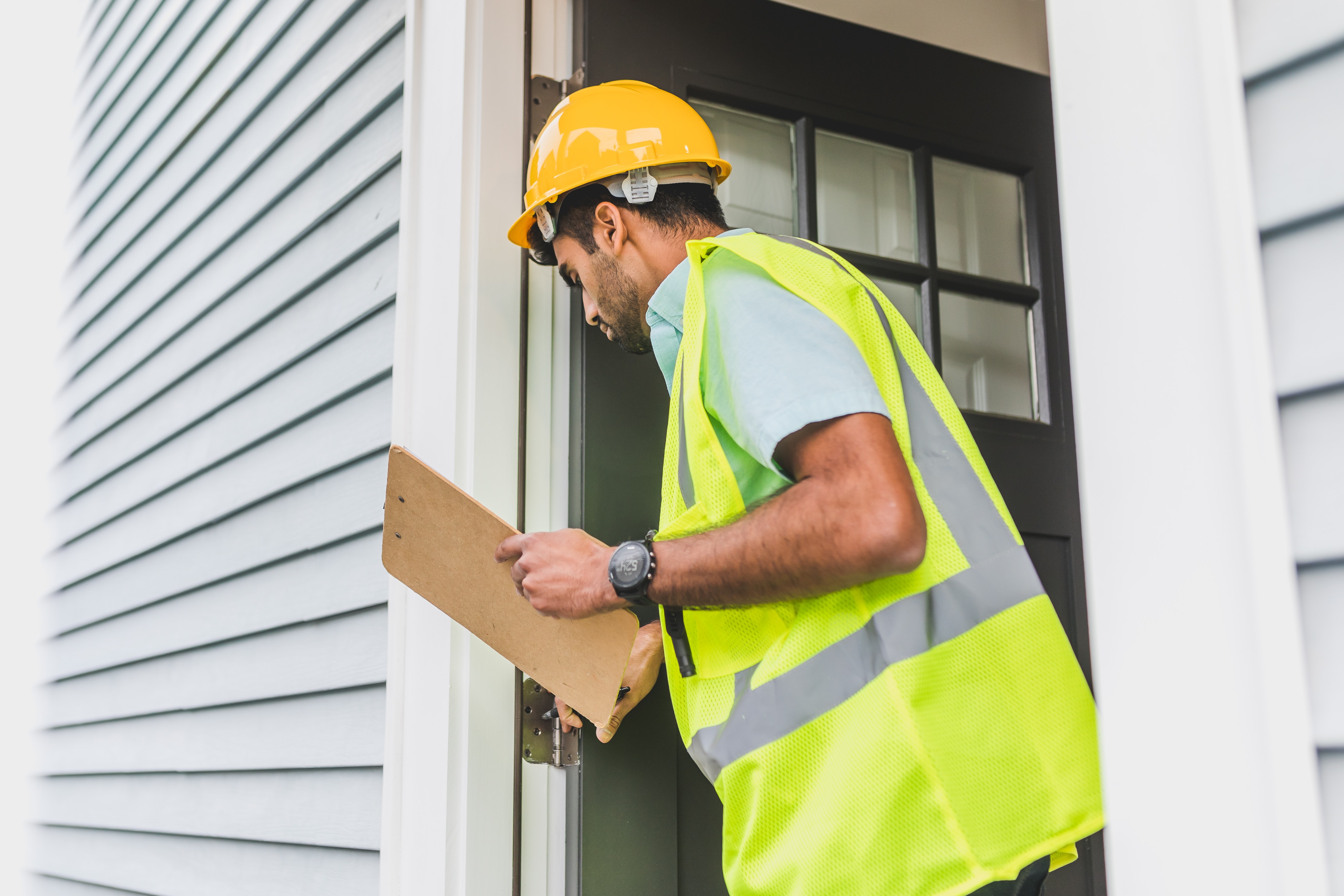
In Northwest Hills, the inspection isn’t just a checkbox—it’s where the real negotiation often begins.
Most homes here weren’t built last year. You’re looking at properties from the late 70s, 80s, sometimes early 90s. That means deferred maintenance, aging systems, and the occasional surprise behind a wall or under a roofline.
But here’s the thing: none of that is unusual for this neighborhood.
Buyers who expect a “perfect” report tend to struggle. Sellers who expect zero requests don’t get far either. The middle ground is where most deals come together.
The inspection is less about uncovering flaws and more about deciding what actually matters.
What repairs do sellers in Northwest Hills typically agree to?
There’s a pattern you start to see after enough transactions in this area.
Sellers are generally willing to address issues that fall into three categories:
Safety concerns
Anything that could be considered a hazard tends to get attention quickly. Exposed wiring, unstable railings, gas leaks—those are straightforward.
Major systems
HVAC, plumbing, roofing, and electrical panels carry weight. If an inspector flags a failing system, it’s not something most sellers ignore.
In parts of Northwest Hills like Chimney Corners, where homes often have original ductwork or older electrical setups, this comes up more than you’d think.
Structural issues
Foundation movement, drainage problems, or roof integrity—these are the kinds of items that can stall a deal entirely if not addressed.
In hillside sections like Cat Mountain, drainage and grading come up often. Water moves differently here, and that shows up in inspection reports.
What do sellers usually push back on?
This is where expectations need to be grounded.
Sellers in Northwest Hills are not typically agreeing to:
Cosmetic updates
Minor wear and tear
“Nice-to-have” improvements
That includes things like worn flooring, older countertops, or windows that aren’t brand new but still functional.
In Courtyard, for example, you’ll see a lot of homes with original layouts and finishes. Buyers sometimes want those modernized—but that’s usually priced into the home already.
Trying to negotiate cosmetic upgrades after the fact rarely lands well.
How should you structure a repair request?
This is where deals either stay on track or quietly fall apart.
The strongest repair requests are:
Focused
A short list of meaningful items carries more weight than a long list of minor ones.
If you hand over a 25-item repair amendment, the seller is going to read it differently than a list of five clear concerns.
Specific
Instead of vague language, tie requests directly to the inspection findings.
For example:
“Licensed electrician to evaluate and correct double-tapped breakers”
“Roof leak at rear flashing to be repaired by licensed contractor”
Clarity here isn’t about being aggressive—it’s about being precise.
Reasonable
This is where local experience matters.
In Northwest Hills, asking for a full HVAC replacement because a unit is 12 years old—even if it’s still working—usually won’t go far. Asking for a service, inspection, or credit toward future replacement? That’s a different conversation.
Should you ask for repairs or a credit?
This question comes up in almost every transaction.
And the answer depends on the house—and the seller.
When repairs make more sense
Safety issues that need immediate correction
Lender-required repairs
Situations where coordinating work after closing would be difficult
When credits are more effective
Older systems nearing the end of life
Multiple smaller repairs
Situations where the buyer wants control over the work
In Northwest Hills, credits often work better.
Why? Because many buyers plan to make updates anyway. Taking a credit allows them to handle repairs on their own timeline, with their own contractors.
It also avoids the “quick fix before closing” problem, where repairs are done just well enough to pass, but not necessarily to last.
How do older floor plans impact negotiation?
This is where Northwest Hills gets specific.
In areas like Cat Mountain or Courtyard, you’ll often see:
Sunken living rooms
Tight kitchen layouts
Original window placements
Segmented floor plans
These aren’t “defects.” They’re design choices from another era.
But they influence how buyers perceive value—and how they negotiate.
A buyer walking into a Courtyard home might mentally budget for a kitchen remodel. That expectation should already be reflected in the purchase price.
Trying to negotiate that after inspection—by tying it loosely to “functionality”—usually doesn’t hold up.
The more effective approach is to separate:
True repair issues
Personal renovation plans
They’re not the same thing, and treating them differently keeps negotiations grounded.
What role does the Austin market play in repair negotiations?
Market conditions always shape how much leverage each side has.
In a more competitive environment, sellers have less incentive to agree to extensive repairs. In a slower market, buyers have more room to ask.
If you’re tracking trends, reviewing the local market helps frame expectations. The broader context—inventory levels, days on market, price adjustments—matters here.
You can get a sense of that through resources like the Austin market reports on Leverageteam, or by looking at valuation data through Travis County’s appraisal district:
The point isn’t to overanalyze—it’s to understand where the balance sits.
How does inspection negotiation affect your long-term costs?
This is the part most people don’t think about enough.
Winning a $5,000 credit feels good in the moment. But if it delays a necessary repair—or leads to cutting corners later—it can cost more over time.
On the other hand, letting a major issue slide just to keep the deal together can create problems that surface years later.
The goal isn’t to “win” the negotiation.
It’s to walk into ownership with a clear understanding of:
What’s been addressed
What still needs attention
What it will realistically cost
That’s where good decisions tend to come from.
What are common inspection surprises in Northwest Hills homes?
Patterns show up here too.
Some of the more common findings include:
Aging plumbing systems
Galvanized pipes still exist in some homes. Even partial replacements can lead to mixed systems that inspectors flag.
Roof wear
Tree coverage and slope exposure can accelerate roof aging, especially in hillside sections.
Drainage issues
Grading and runoff are frequent topics, particularly in areas with elevation changes.
Electrical updates
Older panels or wiring configurations come up, especially in homes that haven’t been fully renovated.
None of these are deal-breakers on their own. But they shape how negotiations unfold.
How do schools, zoning, and city factors influence decisions?
Repair negotiations don’t happen in isolation.
Buyers are also weighing long-term factors like school zoning and city regulations.
For example, checking boundaries through the Austin Independent School District can be part of the bigger picture:
Or reviewing property and permit information through the City of Austin:
These details don’t directly affect repair requests—but they influence how much flexibility buyers have in negotiations.
If a home checks every other box, buyers may be more willing to compromise on repairs.
Q&A: Repair Negotiations in Northwest Hills
How much should I ask for after an inspection?
There’s no fixed number. Most successful negotiations focus on a handful of meaningful issues rather than a total dollar amount.
Can I reopen negotiations if new issues come up?
Only if they were not visible or disclosed earlier. Otherwise, the original agreement usually holds.
Do sellers have to fix everything on the inspection report?
No. Inspection reports are informational. Negotiation determines what, if anything, gets addressed.
Is it better to walk away or accept repairs as-is?
That depends on the severity of the issues and your long-term plans for the home. Some buyers prefer to take on repairs themselves, especially in older homes.
How long does the repair negotiation process take?
Typically a few days, depending on how quickly both sides respond and whether additional contractor input is needed.
A steady approach tends to work best
Negotiating repairs in Northwest Hills isn’t about pushing for everything. It’s about understanding what matters—and what doesn’t.
The homes here have character, history, and in many cases, a few quirks. That’s part of the appeal. But it also means approaching inspections with a level head.
The deals that come together are usually the ones where both sides stay reasonable, focused, and aware of the bigger picture.
If you’re working through an inspection right now, or just trying to understand what to expect, I’m always available to talk it through.
No pressure. Just a conversation.
#NWHills
Check out this article next