
At a Glance
Northwest Hills is more traditional, flatter, and school-driven, while Cat Mountain is steeper, more private, and view-oriented
Cat Mountain prioritizes elevation, privacy, and skyline views
Northwest Hills offers easier navigation, stronger walkability pockets, and broader home consistency
Both are highly desirable Northwest Austin neighborhoods with different lifestyles
Buyers usually choose based on views vs convenience
People try to lump Northwest Hills and Cat Mountain together.
On paper, it makes sense.
Same part of Austin. Similar price points. Shared reputation for stability and strong demand.
But when you actually live in them—or show homes in them every day—the differences are obvious fast.
Subtle at first.
Then impossible to ignore.
Because this isn’t just two neighborhoods.
It’s two different relationships with the land.
One is grounded.
The other climbs.
The biggest difference: terrain changes everything
Let’s start with the most important divider.
Northwest Hills:
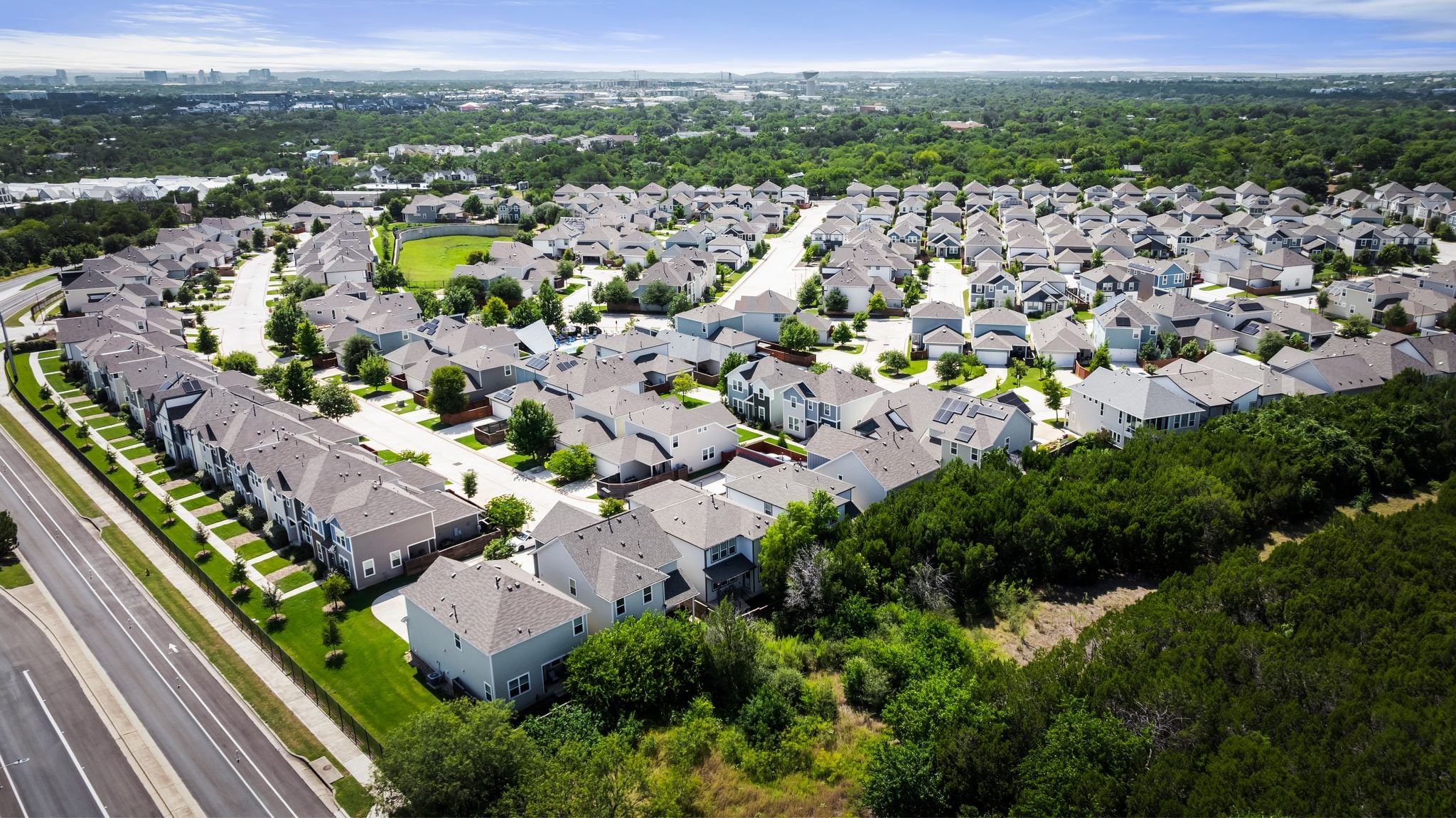
Rolling but relatively manageable terrain
More traditional suburban street layout
Easier navigation and access
More consistent lot shapes
Cat Mountain:
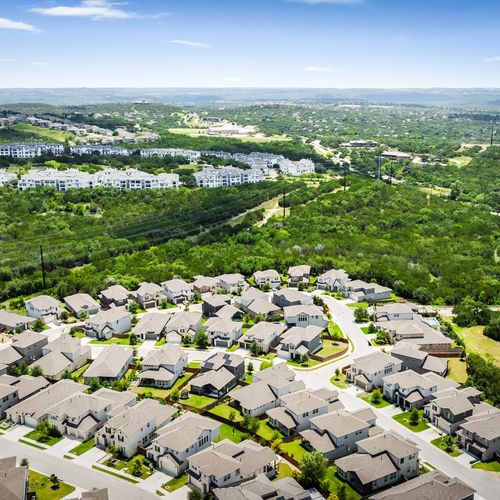
Steep hillside topography
Curving, elevation-heavy streets
Dramatic slope changes between homes
Terraced and irregular lots
Cat Mountain literally reshapes how homes are built and experienced.
Northwest Hills feels like it was placed on the land.
Cat Mountain feels like it was carved into it.
That difference shows up everywhere—from driveway angles to window placement.
Homes: consistency vs variation
Northwest Hills homes
Northwest Hills tends to be:
More uniform in lot usability
A mix of 1970s–1990s builds with steady renovation cycles
Easier to compare across comps
More predictable floor plans
Buyers here often know what they’re getting before they walk in.
There’s structure in the expectations.
Cat Mountain homes
Cat Mountain is far less uniform:
Split-level hillside designs
Heavy renovation variance
View-driven architecture
Some tear-down or rebuild potential lots
You can walk two similar-priced homes and feel like you’re in different worlds.
That variability is part of the appeal—and part of the challenge.
Views vs shade: what buyers are really choosing between
This is where the emotional split happens.
Cat Mountain:
Views are the headline.
Downtown skyline
Hill Country ridges
Elevated sightlines over treetops
In many cases, the view is the asset.
The home supports it.
Not the other way around.
Northwest Hills:
Shade and canopy are the experience.
Mature oak trees
More consistent greenery coverage
Less dramatic elevation, more enclosure
It feels grounded, cooler, and more sheltered.
Where Cat Mountain opens up, Northwest Hills leans in.
Lifestyle: quiet stability vs elevated retreat
Northwest Hills lifestyle:
More predictable street flow
Easier access to shopping and schools
Slightly more “traditional suburban Austin” feel
Strong day-to-day convenience
It’s the kind of place where routines settle in quickly.
Cat Mountain lifestyle:
More private and tucked away
Less foot traffic and through movement
More “escape above the city” feeling
Strong emphasis on home and view experience
It feels less like a neighborhood you pass through—and more like one you arrive at.
Commute and access: closer than it feels, different in practice
Both neighborhoods are centrally located in Northwest Austin, but access feels different once you live there.
Northwest Hills:
Easier, more direct routes via major roads
Smoother navigation in and out
Slightly faster feel for daily errands
Cat Mountain:
Steeper internal roads slow movement
Entry/exit points feel more limited
MoPac access still strong, but terrain adds friction
Distance-wise they’re close.
Experience-wise they’re not identical.
School access and buyer demand drivers
Both neighborhoods are influenced by strong school demand patterns in Austin ISD zones, which continue to support long-term stability in Northwest Austin. (austinisd.org)
But the buyer mindset differs:
Northwest Hills buyers:
Often prioritize school zoning first
Want balance between schools, commute, and home condition
More family-driven demand mix
Cat Mountain buyers:
Schools matter, but views and privacy often lead decisions
More lifestyle-driven selection process
Slightly higher tolerance for renovation or complexity
Same market logic.
Different priorities.
Pricing behavior: stable vs variable
Northwest Hills pricing:
More consistent comp structure
Easier valuation bands
Strong mid-market stability
Predictable buyer expectations
It behaves like a structured market.
Cat Mountain pricing:
Wider range due to view premiums
Strong variance between similar square footage homes
Premiums for elevation, orientation, and lot position
More “lot-driven” pricing dynamics
Two similar homes can price very differently based on what they see out the back window.
Walkability and daily convenience
Neither neighborhood is truly urban-walkable, but there’s a difference in convenience feel.
Northwest Hills:
Closer to retail corridors
Slightly easier access to daily errands
More “drive a short distance and you’re there” energy
Cat Mountain:
More residential isolation
Less immediate access without descending hills
Stronger reliance on planned trips rather than quick errands
One is convenient.
The other is contained.
Buyer psychology: what each neighborhood attracts
This is where the split becomes very clear.
Northwest Hills attracts:
Long-term Austin families
Buyers prioritizing schools and stability
People upgrading within central Austin
Buyers who want predictability
They tend to ask: “Is this practical long-term?”
Cat Mountain attracts:
Buyers chasing views and elevation
Professionals wanting privacy close to downtown
Lifestyle-driven movers
People willing to trade convenience for scenery
They tend to ask: “How does this feel every day?”
The real deciding factor: control vs experience
If you strip everything away, the decision usually comes down to this:
Northwest Hills:
Feels controlled.
Easier logistics
More predictable daily life
Balanced suburban structure
Cat Mountain:
Feels experiential.
Strong visual identity
More dramatic living environment
Less predictable terrain interaction
Neither is better.
But they are emotionally very different.
Questions buyers ask most often
Which is more expensive: Northwest Hills or Cat Mountain?
Pricing overlaps, but Cat Mountain often commands premiums for view and elevation lots.
Which is better for families?
Northwest Hills tends to appeal more to families prioritizing schools and convenience.
Which has better views?
Cat Mountain, by a wide margin due to elevation changes and skyline exposure.
Which is easier to get around?
Northwest Hills offers easier daily navigation and flatter terrain.
Which holds value better?
Both are strong, but Cat Mountain’s view lots can outperform in niche segments.
Final thoughts
Northwest Hills and Cat Mountain sit side by side on a map.
But they don’t sit side by side in experience.
One gives you structure—trees, schools, and consistency.
The other gives you elevation—views, privacy, and a different way of seeing Austin entirely.
The choice isn’t really about geography.
It’s about lifestyle tolerance.
Do you want the ease of movement and predictability of Northwest Hills?
Or the elevation, silence, and perspective shift of Cat Mountain?
Same part of the city.
Two completely different ways to live inside it.
And neither one is trying to convince you.
They just wait for you to notice what feels right when you’re standing there.
#NWHills
Check out this article next