
At a Glance
Buyers in Northwest Hills respond most to upgrades they can see and feel immediately—windows, insulation, and HVAC systems lead the list
Solar panels can help, but only when positioned and priced correctly for the neighborhood
Older homes in areas like Cat Mountain and Chimney Corners benefit most from quiet, comfort-driven improvements
Energy efficiency alone doesn’t sell a home—but paired with thoughtful updates, it often shortens days on market
Why are buyers in Northwest Hills paying more attention to energy efficiency?
There’s been a quiet shift over the past few years.
Not dramatic. Not loud. But steady.
Buyers walking into homes across Northwest Hills—whether it’s a classic two-story in Cat Mountain or a tucked-away property in Courtyard—are asking better questions. Not just about square footage or finishes, but about how the house lives day to day.
They’re noticing drafts. Listening for HVAC noise. Feeling the temperature difference between rooms.
Part of that comes from rising utility costs. Part of it comes from more time spent at home. But in Northwest Hills specifically, it’s also about the age of the housing stock. Many homes here were built in the ‘70s, ‘80s, and early ‘90s—solid construction, but not designed with modern efficiency standards in mind.
So buyers adjust. Expectations evolve.
They’re not necessarily looking for “green-certified” homes. They’re looking for homes that feel comfortable, predictable, and well-maintained.
That’s where energy efficiency starts to matter—not as a headline feature, but as a supporting signal.
Which upgrades actually make a difference when selling?
Not all upgrades carry the same weight.
Some show up clearly in buyer feedback. Others get overlooked entirely, even if they’re expensive to install.
Here’s what consistently moves the needle in Northwest Hills.
Do new windows help homes sell faster?
Yes—and more than most sellers expect.
Original aluminum or early wood-framed windows are common in neighborhoods like Chimney Corners. Buyers notice them immediately. Not always consciously, but through small cues: outside noise creeping in, uneven temperatures, slight drafts near the glass.
When those windows have been replaced with modern, energy-efficient options, the home feels quieter and more stable.
That’s the key—felt experience.
It’s not about quoting energy ratings during a showing. It’s about a buyer standing in the living room and thinking, “This feels right.”
Homes with updated windows tend to photograph better, show better, and move through inspection with fewer concerns.
What role does insulation play in resale value?
Insulation is one of those upgrades buyers don’t see—but they feel it quickly.
In Northwest Hills, many homes have inconsistent insulation, especially in attics. Some have been partially updated over time, others not at all.
When insulation is properly addressed, you notice:
More consistent temperatures between floors
Less strain on HVAC systems
A quieter interior environment
Buyers might not walk in asking about R-values, but they do pick up on comfort.
And when a home feels comfortable in the middle of a hot Austin afternoon, it stands out.
Does upgrading the HVAC system really matter?
It does—especially here.
Northwest Hills homes often have larger footprints, multiple levels, and complex layouts. That makes HVAC performance more noticeable.
An aging system creates uneven cooling, higher noise levels, and sometimes a lingering hesitation during showings.
A newer, efficient system changes that dynamic. It signals maintenance, reliability, and lower near-term costs.
In areas like Courtyard, where some homes back to greenbelt and carry a premium, buyers expect systems to match the price point. A newer HVAC setup helps align those expectations.
Are solar panels worth it in Northwest Hills?
This one depends.
Solar can be a positive—but it’s not universally valued the same way other upgrades are.
Here’s what I’ve seen:
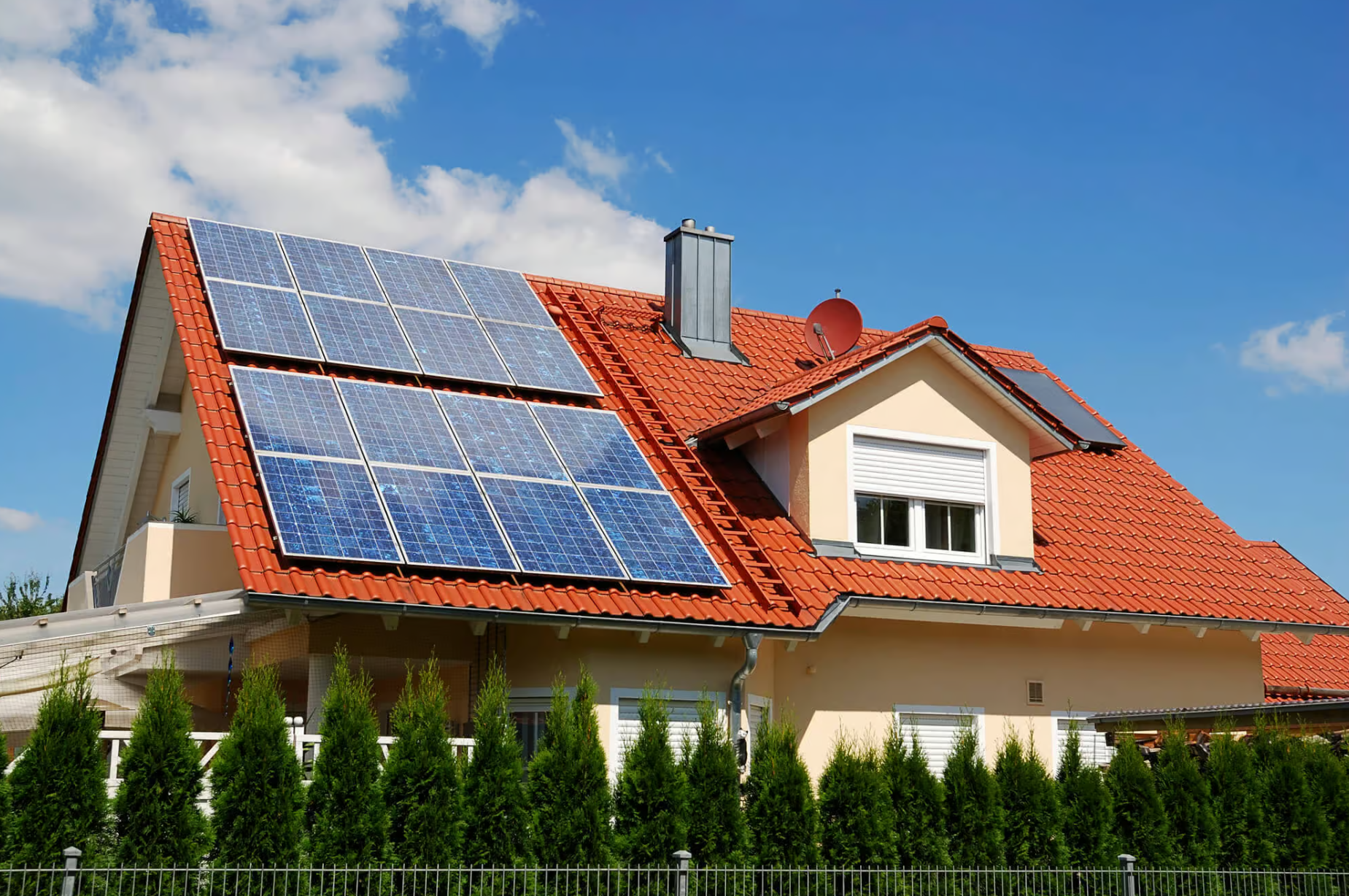
Homes with owned solar systems (not leased) tend to perform better
Clean rooflines and thoughtful placement matter more than panel count
Buyers still prioritize layout, location, and condition over solar savings
In Northwest Hills, where trees and topography vary significantly, solar efficiency isn’t always consistent from home to home.
So while it can help differentiate a property, it rarely carries the sale on its own.
What does this mean for older homes in Cat Mountain or Chimney Corners?
This is where things get more specific.
In Cat Mountain, you’ll find a mix of updated homes and original-condition properties with strong views. In Chimney Corners, the layouts tend to be more traditional, with many homes still holding their original systems.
For these homes, energy efficiency upgrades serve a different purpose.
They don’t just improve comfort—they reduce buyer hesitation.
When a home has older finishes but updated systems, buyers feel more flexibility. They can imagine making cosmetic changes over time without worrying about major infrastructure costs.
It shifts the conversation from “What needs to be fixed?” to “What would I want to change?”
That’s a subtle but important difference.
How do these upgrades impact pricing versus speed?
There’s a common assumption that energy-efficient upgrades automatically increase value.
Sometimes they do. But more often, they influence speed and negotiation leverage rather than headline price.
Here’s how it tends to play out:
Homes with visible and functional upgrades attract stronger early interest
They spend less time in the “comparison pool” of similar listings
They face fewer inspection-related negotiations
In practical terms, that can mean fewer days on market and a smoother contract period.
If you’re tracking your home’s value through resources like
https://leverageteam.com/home-valuation-austin/
or keeping an eye on broader trends at
https://leverageteam.com/austin-real-estate-market/
you’ll notice that homes perceived as “move-in ready” consistently outperform those that feel uncertain—even if the price point is similar.
What upgrades don’t seem to matter as much?
Not every improvement translates.
Some upgrades make sense from a personal living standpoint but don’t strongly influence buyers.
A few examples:
Highly specialized smart home energy systems that require explanation
Overly complex solar setups with leases or unclear terms
Niche eco-materials that don’t align with the overall style of the home
In Northwest Hills, buyers tend to appreciate simplicity.
They want systems that work, not systems they need to learn.
How should sellers think about energy efficiency before listing?
It’s less about chasing trends and more about removing friction.
Walk through your home as a buyer would.
Stand in different rooms. Notice temperature shifts. Listen for system noise. Look at windows, doors, and seals.
Then ask a simple question:
“Does anything here feel uncertain?”
If the answer is yes, that’s where energy efficiency upgrades can help—not as a selling point, but as a way to create ease.
For sellers considering timing, preparation, or next steps, resources like
https://leverageteam.com/sell-your-home-austin/
and local insights from
https://leverageteam.com/northwest-hills-homes-for-sale/
can help frame what buyers are actually responding to right now.
How do local factors like taxes and utilities play into this?
Energy efficiency doesn’t exist in a vacuum.
In Austin, property taxes through
and city services managed by
both shape how buyers think about monthly costs.
Add in school zoning considerations from
and you start to see the full picture.
Buyers aren’t just purchasing a home—they’re calculating a lifestyle.
When energy-efficient upgrades reduce uncertainty around utilities, it helps stabilize that calculation.
Q&A: What do buyers and sellers usually ask?
Do buyers in Northwest Hills expect energy-efficient homes?
They expect homes to feel comfortable and well-maintained. Efficiency is part of that, but not the headline.
Which upgrade offers the best return?
Windows, insulation, and HVAC systems consistently provide the most noticeable impact during showings.
Should I install solar panels before selling?
Only if it fits the home and you plan to own the system outright. Otherwise, it may complicate the sale.
Can energy upgrades help during negotiations?
Yes. Homes with updated systems often face fewer repair requests and less price pressure after inspection.
Is it worth upgrading everything at once?
Not usually. Target the areas that create the most immediate comfort and confidence for buyers.
Closing Thoughts
There’s a rhythm to Northwest Hills.
Homes here aren’t trying to be flashy. They’re grounded. Layered. Built with a certain permanence in mind.
Energy efficiency fits into that rhythm when it’s done quietly—when it supports the way a home feels rather than trying to redefine it.
If you’re preparing to sell, the goal isn’t to chase every possible upgrade. It’s to remove hesitation, to create a sense of ease the moment someone walks through the door.
That’s what shortens the timeline. That’s what steadies the process.
If you want to talk through what that might look like for your home, I’m always available for a straightforward conversation—no pressure, just perspective.
#NWHills
Check out this article next