
At a Glance
A functional floor plan has become more important than simply having more square footage.
Buyers increasingly want updated major systems, not just a remodeled kitchen or bathroom.
Natural light, privacy, and a strong connection to the outdoors can make a major difference in buyer appeal.
Buyers are paying closer attention to drainage, foundations, plumbing, electrical, HVAC, and roofs before deciding what a home is worth.
In many cases, buyers will compromise on finishes before they compromise on location, lot quality, layout, or condition.
There was a time when buyers might have been willing to overlook an awkward floor plan, older HVAC system, dated kitchen, or lack of outdoor living space if the house had enough square footage and was in the right neighborhood.
That has changed.
Northwest Hills buyers are still willing to consider older homes. In fact, the neighborhood's mature trees, established streets, views, and central location are part of what attracts people here in the first place.
But buyers are becoming more selective about what they are willing to take on.
That distinction matters.
An older kitchen may be acceptable.
An older kitchen combined with an aging roof, original plumbing, questionable electrical work, drainage concerns, and a poor layout is a different conversation.
Recent Northwest Hills buyer guidance reflects that buyers are increasingly comparing original homes against renovated and newer properties while paying close attention to both condition and the underlying lot.
So what features are Northwest Hills buyers no longer willing to compromise on?
Are buyers still willing to compromise on the floor plan?
Less than they used to.
This may be one of the biggest changes in how buyers evaluate older Northwest Hills homes.
Buyers don't necessarily need an enormous open-concept house. But they do want a layout that makes sense for the way they live.
That can mean:
A kitchen that connects naturally to the main living area
A functional island or peninsula
Comfortable bedroom separation
A private primary suite
A home office or flex space
Adequate storage
A practical laundry area
Easy access to the backyard
Spaces that can serve multiple purposes
The demand isn't simply for "open concept."
It's for functional space.
A 2,700-square-foot house with an efficient layout can feel significantly better than a 3,200-square-foot house divided into awkward rooms.
Recent local buyer guidance specifically identifies functional floor plans, connected living areas, storage, and flexible spaces as important considerations in Northwest Hills.
Do buyers expect the major systems to be updated?
Increasingly, yes.
This is one of the biggest differences between today's buyer expectations and simply wanting a house that looks good.
A renovated kitchen can create an immediate emotional reaction.
But buyers are also asking:
How old is the HVAC?
What kind of plumbing is underneath the house?
When was the electrical system updated?
How old is the roof?
What has been done to the foundation?
How does the drainage work?
That's especially important in Northwest Hills because much of the housing stock dates to the 1950s through the 1980s. Even homes with beautiful renovations can have older components that were not addressed during the cosmetic work.
Buyers may tolerate an older bathroom.
They are much less comfortable discovering after closing that the house needs a major sewer, HVAC, electrical, or roof project.
Is good natural light becoming a non-negotiable?
For many buyers, yes.
Natural light has become one of those features that can be difficult to describe on a listing sheet but immediately affects how a home feels.
Buyers tend to respond well to:
Large windows
Good southern or eastern exposure where appropriate
Open sightlines
Light-filled kitchens
Windows overlooking trees or views
Glass doors connecting the house to the backyard
This is particularly valuable in Northwest Hills because mature trees can create beautiful privacy while also limiting sunlight.
A house surrounded by mature oaks can be incredibly appealing.
But buyers still want the interior to feel bright and comfortable.
That means the best homes often find a balance between shade, privacy, views, and natural light.
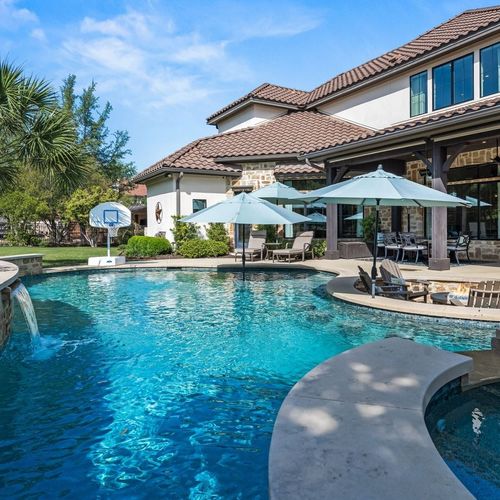
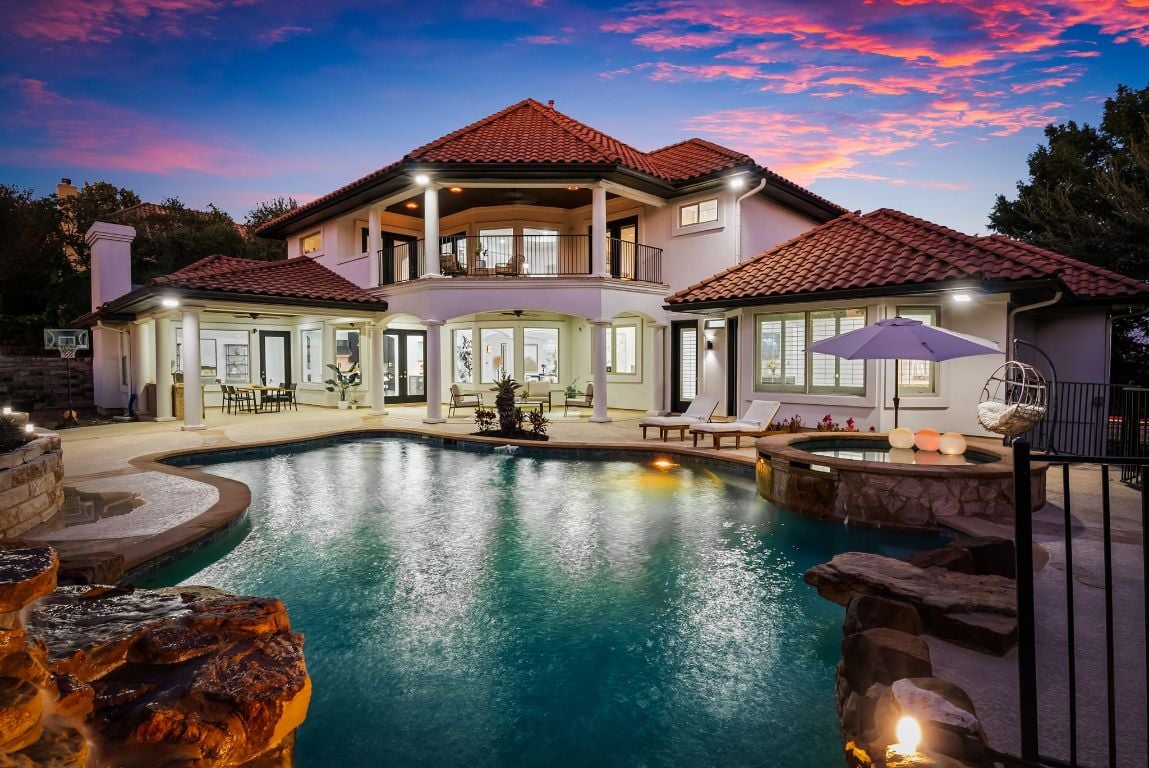
Are buyers less willing to compromise on outdoor living?
Yes.
Austin buyers spend a lot of time thinking about how they will use their outdoor space.
In Northwest Hills, that can be especially important because the lot itself is often one of the property's biggest assets.
Buyers increasingly want outdoor spaces that are actually usable:
Covered patios
Comfortable seating areas
Pools
Outdoor kitchens
Flat areas for entertaining
Mature landscaping
Shade
Privacy
Direct access from the main living spaces
The key is usability.
A large sloped backyard may look impressive on paper but may not provide the same lifestyle value as a smaller, level outdoor space that a family can actually use.
Local Northwest Hills buyer guidance specifically points to covered outdoor areas, pools, usable yards, privacy, and indoor-outdoor connections as features that resonate with buyers.
Are buyers willing to compromise on privacy?
Probably less than ever.
Privacy can be difficult to quantify, but buyers know it when they experience it.
A home tucked behind mature trees or positioned so that the backyard isn't looking directly into a neighbor's living room can feel significantly more valuable.
Privacy can come from:
Mature trees
Lot elevation
Landscaping
Fencing
Greenbelt adjacency
Distance between homes
Property orientation
Quiet streets
This is another area where Northwest Hills' older lots can have a significant advantage.
You can plant trees, but you can't instantly create a 40-year-old tree canopy.
You can build a fence, but you can't always change the relationship between your house and the neighboring properties.
Are buyers still willing to compromise on the lot?
This may be the biggest "no."
Buyers can compromise on countertops.
They can compromise on flooring.
They can even compromise on the kitchen for the right price.
The lot is different.
Northwest Hills buyers are increasingly aware that the lot is part of the value of the property, not simply the land underneath the house.
They are paying attention to:
Views
Elevation
Privacy
Mature trees
Usable yard space
Drainage
Retaining walls
Driveway access
Neighboring properties
Street location
Local market guidance repeatedly emphasizes that lot shape, slope, tree coverage, views, and renovation quality can cause substantial differences between otherwise similar Northwest Hills homes.
That is why I would be cautious about telling buyers to simply "buy the house and renovate it later."
You can renovate the house.
You can't renovate the street.
Have buyers become less tolerant of drainage problems?
Yes.
And they should be.
Northwest Hills' terrain is one of its greatest assets, but slopes create additional considerations around water movement, retaining walls, and foundations.
Buyers should understand:
Where does water go when it rains?
That question can tell you a lot about a property.
A home with beautiful landscaping may still have drainage problems that aren't obvious during a dry showing.
Buyers should look for:
Pooling water
Erosion
Downspout discharge
Water against the foundation
Retaining wall movement
Evidence of previous drainage work
Grading toward the house
Areas where water could collect
On hillside properties, drainage and retaining walls can be as important to the purchase decision as the roof.
Are buyers less willing to overlook foundation concerns?
They are becoming much more informed about them.
That doesn't mean every crack scares buyers away.
It means buyers want answers.
They want to know:
Has the foundation moved?
Is the movement active?
Has it been repaired?
Who performed the work?
Is there engineering documentation?
Is there a transferable warranty?
What caused the movement?
Has drainage been addressed?
Central Texas expansive clay soils and Northwest Hills' terrain make foundation evaluation particularly important. A documented repair isn't automatically a negative; in some cases, a properly engineered repair with good documentation can provide more certainty than a house with an unknown history.
The problem isn't necessarily the existence of a foundation repair.
The problem is not knowing what happened.
Are older plumbing and electrical systems becoming deal breakers?
Not automatically.
But buyers are less willing to ignore them.
This is an important distinction.
An older home can still be a great purchase.
However, buyers want to know whether the home's infrastructure has been maintained or modernized.
With plumbing, they may want to understand:
What materials are present?
Is there cast iron?
Is there galvanized plumbing?
Has the sewer line been scoped?
Are there signs of leaks?
Has any repiping been completed?
With electrical:
What type of wiring is present?
Has the panel been updated?
Is the system grounded?
Are there signs of amateur modifications?
Are GFCI and AFCI protections appropriate?
A buyer may accept an older system if the price reflects it.
What they don't want is to pay a fully updated-home price without understanding that major work may still be ahead.
Are buyers less willing to compromise on HVAC and energy efficiency?
Increasingly.
Austin summers make HVAC performance more than a comfort issue.
It can affect operating costs and everyday livability.
Buyers are paying attention to:
HVAC age
Number and placement of systems
Temperature consistency
Insulation
Window quality
Door seals
Smart thermostats
Energy efficiency
A newer HVAC system isn't necessarily a reason to pay a huge premium by itself.
But a home with an efficient, well-maintained system can feel substantially less risky than one with an old unit approaching replacement.
Local Northwest Hills guidance specifically flags HVAC age as something buyers should investigate in the area's older housing stock.
Are buyers less tolerant of homes that need "a little work"?
This depends on what "a little work" actually means.
If a seller says a home needs a little work and that means:
Paint
Light fixtures
Landscaping
Flooring
Cabinet hardware
that's one thing.
If "a little work" means:
New roof
New HVAC
Sewer replacement
Electrical work
Foundation repair
Drainage improvements
Retaining wall repair
that's something entirely different.
Buyers are increasingly distinguishing between cosmetic projects and financial projects.
They may happily take on the first category.
They are much more cautious about the second.
Do buyers need a home office now?
For many households, yes.
It doesn't necessarily have to be a dedicated executive office.
But buyers increasingly want somewhere they can close a door, work, take a video call, or concentrate.
That might be:
A dedicated office
A bedroom converted into an office
A study
A den
A flex room
A well-designed loft or bonus space
The important thing is separation.
A desk sitting in the corner of the kitchen isn't the same experience as having a quiet room where you can work.
Are buyers less willing to compromise on storage?
Yes.
This is an easy feature to underestimate during a showing.
Buyers notice whether a home actually has places for their belongings.
They are looking at:
Pantry space
Bedroom closets
Linen storage
Garage storage
Mudrooms
Laundry storage
Built-ins
Kitchen cabinet capacity
Older homes can sometimes have beautiful proportions but limited storage.
A thoughtful renovation that improves storage without sacrificing the character of the home can be extremely valuable.
Are buyers willing to compromise on location within Northwest Hills?
Not necessarily.
This is where the idea of micro-location becomes important.
Two properties may both be marketed as Northwest Hills, but they can have very different experiences.
One may be:
Quiet
Interior
Private
Surrounded by mature trees
Another may be:
Near a connector road
More exposed to traffic
Closer to school traffic
More affected by road noise
The neighborhood name doesn't tell you everything.
The individual street matters.
Recent James Lucas buyer guidance emphasizes that micro-location can matter more than square footage when comparing Northwest Hills homes.
What are buyers still willing to compromise on?
This is perhaps the most useful question.
Buyers can still compromise on things that are relatively easy to change.
They may accept:
Dated paint
Older flooring
A less fashionable kitchen
Bathroom finishes they don't love
Light fixtures
Landscaping
Cabinet colors
They may even accept an older home with a project ahead if the price and property fundamentals make sense.
What they are increasingly unwilling to compromise on are things that are expensive, structural, or difficult to change.
That includes:
A bad lot
Significant drainage concerns
Major foundation uncertainty
Poor location within the neighborhood
Lack of privacy
An awkward floor plan
Serious deferred maintenance
Multiple aging major systems
Poor natural light
Lack of usable outdoor space
That distinction is important for both buyers and sellers.
What does this mean for sellers?
It means sellers don't necessarily need to make their home perfect.
They need to understand what buyers are likely to perceive as a project.
If your kitchen is dated but your foundation, roof, plumbing, electrical, HVAC, drainage, and lot are strong, that's a very different selling proposition from a home where all of those elements need attention.
Before spending money on cosmetic improvements, look at the entire property.
Ask:
What would make a buyer hesitate?
Then determine whether that issue is worth addressing before going to market.
Sometimes the answer is yes.
Sometimes the better strategy is to price the home accordingly and let the buyer decide how they want to improve it.
What are Northwest Hills buyers really unwilling to compromise on?
I would narrow it down to seven things:
1. A good lot
Views, privacy, mature trees, elevation, and usable outdoor space.
2. A functional floor plan
The house needs to work for modern life.
3. Confidence in the major systems
Buyers want to understand the roof, HVAC, plumbing, electrical, foundation, and drainage.
4. Natural light
Dark, closed-off interiors can be difficult to overcome.
5. Privacy and setting
The surrounding property and street matter almost as much as the house.
6. Usable outdoor living
Buyers want to enjoy the lot, not simply own it.
7. Reasonable condition for the price
This may be the biggest one.
Buyers will accept projects.
They don't want to pay a premium for a project they didn't realize they were buying.
What does this mean when comparing two Northwest Hills homes?
Don't ask only:
"Which house is nicer?"
Ask:
"Which compromises am I making with each property?"
Maybe House A has the beautiful kitchen but the worse lot.
Maybe House B has the dated kitchen but the better view, privacy, and updated systems.
Maybe House A has 400 more square feet but House B has a much better floor plan.
Maybe House A looks perfect online but has significant deferred maintenance.
That's where the real comparison begins.
The best purchase isn't always the house with the most upgrades.
It is the property where the things you cannot easily change are right—and the things you don't love are things you can realistically improve.
Northwest Hills buyers are still willing to compromise.
They just want to know exactly what they are compromising on and what it will cost to fix.
That's a much more informed way to buy a home.
#NorthwestHills #JamesLucas
Frequently Asked Questions
What feature are Northwest Hills buyers least willing to compromise on?
Lot quality is one of the hardest things to compromise on because it cannot realistically be changed. Views, privacy, elevation, mature trees, street location, and usable outdoor space can all have a major impact on how buyers perceive a property.
Are Northwest Hills buyers willing to buy older homes?
Yes. Older homes are a major part of the neighborhood's character. Buyers are generally more comfortable with an older home when they understand its condition, maintenance history, and major systems.
Do buyers care more about renovations or the lot?
Both matter, but the lot is usually more difficult to change. A buyer can renovate a kitchen over time. They cannot move the home to a better street or create a mature tree canopy.
Will buyers accept a dated kitchen?
Many will, particularly if the home has a strong lot, good layout, solid infrastructure, and an appropriate price. Cosmetic issues are generally easier for buyers to accept than major structural or system concerns.
Are foundation issues an automatic deal breaker?
No. The important questions are what caused the movement, whether it is active, whether it has been professionally evaluated or repaired, and whether there is documentation. A properly engineered repair can sometimes provide more certainty than an undocumented history.
Are buyers willing to compromise on outdoor space?
Some are, but usable outdoor space is important to many Northwest Hills buyers. Covered patios, pools, privacy, mature trees, and practical yard areas can make a significant difference.
What makes buyers walk away from a Northwest Hills home?
Serious or poorly understood foundation problems, drainage concerns, major deferred maintenance, difficult lots, poor location, multiple aging systems, or a price that doesn't reflect the property's condition can all cause buyers to reconsider.
Should sellers update everything before selling?
No. The right improvements depend on the property. Sellers should first determine which issues are likely to affect buyer confidence and whether addressing them will produce a worthwhile return.
Check out this article next