

At a Glance
Not all upgrades increase resale value in Northwest Hills—some improve lifestyle more than price.
The strongest ROI usually comes from curb appeal, systems, and light interior refreshes—not full luxury remodels.
Neighborhood micro-markets like Cat Mountain, Courtyard, and Chimney Corners respond differently to the same upgrades.
Over-improving a home is one of the most common ways sellers accidentally lose money.
The smartest upgrades are the ones that align with the next buyer’s expectations—not personal taste.
Why do homeowners in Northwest Hills think about upgrading in the first place?
In Northwest Hills, upgrading usually starts quietly. A kitchen that feels dated but still works. A bathroom that’s functional but stuck in another decade. Floors that have seen a few too many seasons of life.
Then something shifts. Maybe neighbors remodel. Maybe a listing nearby closes fast after a facelift. Or maybe it’s just that moment when the house feels slightly behind the way people live now.
But here’s the part most people don’t say out loud: upgrading is rarely just about value. It’s about alignment—between how a home looks, and how life inside it actually feels.
The question is whether that alignment pays back when it’s time to sell.
What upgrades actually matter in this neighborhood?
There’s a clear hierarchy in Northwest Hills, and it doesn’t always match what homeowners expect.
1. Exterior and curb appeal
This is where buyers decide how they feel before they even step inside.
Simple improvements often outperform expensive interior work:
Clean landscaping with native plants
Updated exterior lighting
Fresh paint or siding touch-ups
Entry door improvements
The data backs this up. In Austin, curb appeal and landscaping consistently deliver some of the highest ROI returns because they directly influence buyer perception and showing activity.
In older Northwest Hills homes, this matters even more because the architecture is already established—buyers are reacting to presentation, not novelty.
2. Kitchens and primary bathrooms (but only in moderation)
A minor kitchen update often performs far better than a full luxury gut renovation. National and Austin-specific data show that smaller remodels can return significantly more value than high-end overhauls.
What actually works here:
Cabinet refacing instead of full replacement
Stone countertops over exotic finishes
Neutral, durable materials
Layout preservation when possible
What doesn’t:
Over-designed chef kitchens in homes that don’t support the price tier
Hyper-personal finishes that narrow the buyer pool
In places like Cat Mountain, buyers tend to respond better to functional upgrades with clean finishes rather than heavy luxury statements.
3. Systems that buyers don’t talk about—but absolutely price in
This is where a lot of value hides.
HVAC, plumbing, roofing, windows—none of it is glamorous, but it shapes buyer confidence instantly.
A home that feels “tight” and updated behind the walls often sells faster than one with cosmetic upgrades but aging systems.
Where do homeowners over-improve in Northwest Hills?
This is the quiet money leak.
The most common pattern is the “forever home upgrade mindset” applied to a resale reality.
Oversized remodels in moderate price bands
Spending heavily on luxury finishes in a home that sits below the neighborhood’s upper tier rarely returns dollar-for-dollar value. Buyers tend to reset expectations based on comp ceilings, not renovation cost.
Expanding square footage without neighborhood alignment
Adding space sounds logical, but in older Austin neighborhoods, appraisers and buyers both anchor value to comparables—not sentiment.
Over-customization
Statement tile, niche layouts, or highly specific design choices can unintentionally shrink the buyer pool.
In neighborhoods like Chimney Corners, where homes already vary widely, over-customization can make resale positioning more unpredictable.
What upgrades actually hold value at resale?
There’s a simple pattern that repeats across most successful listings:
“Invisible upgrades” perform better than visible luxury
Buyers reward:
Updated electrical and plumbing
Energy efficiency improvements
Proper insulation and windows
Structural maintenance
They appreciate design—but they pay for confidence.
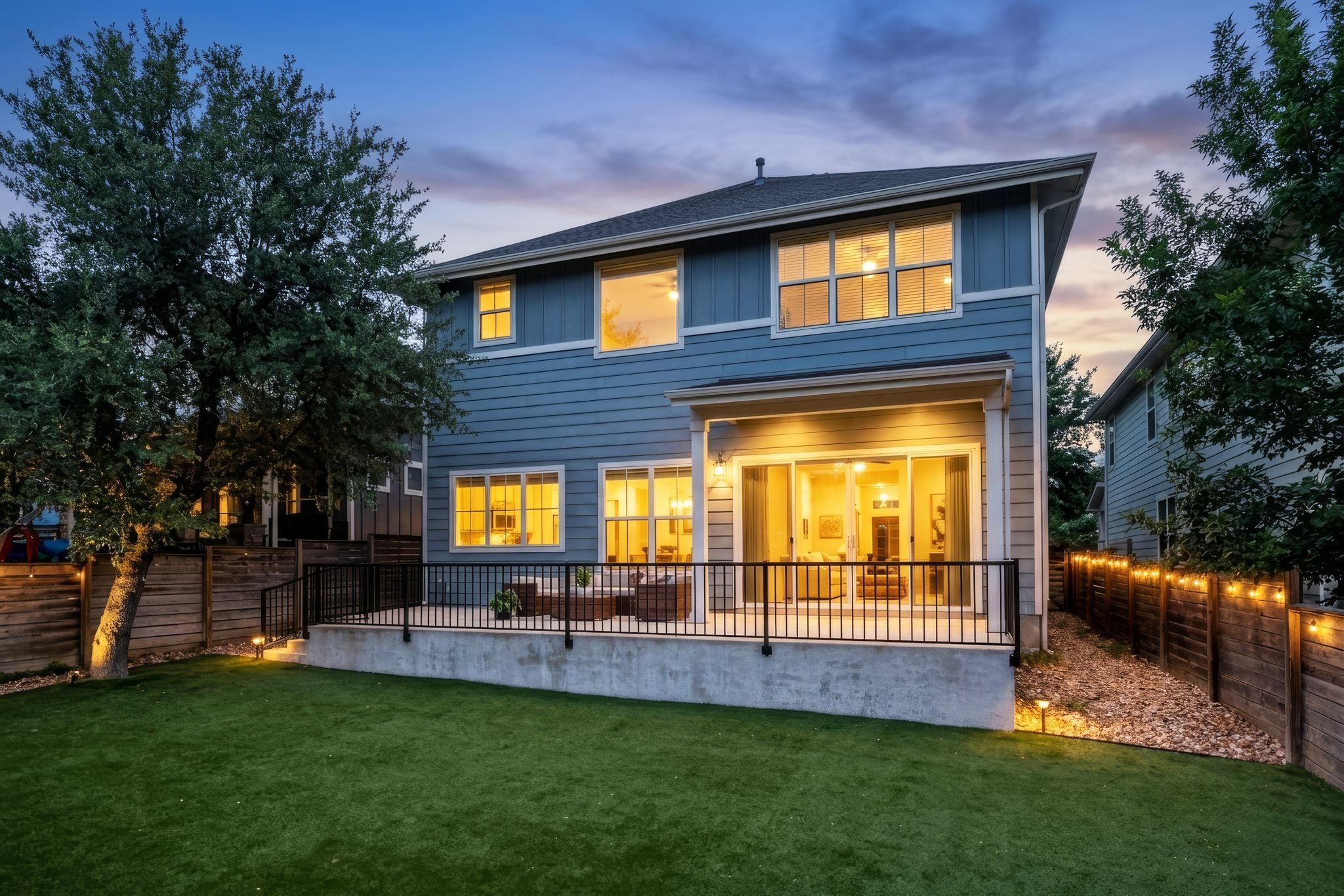
Outdoor living is a quiet winner in Austin
Covered patios, shaded seating areas, and usable outdoor space often outperform interior indulgence in terms of buyer response.
In Austin’s climate, outdoor living isn’t a luxury—it’s part of the daily equation. That’s especially true in established neighborhoods where lot value is already baked into pricing.
Light modernization beats full reinvention
Homes that preserve their original structure but update key touchpoints tend to perform best:
Keep good layouts
Refresh finishes
Avoid unnecessary expansion
How does timing affect whether upgrades are worth it?
Timing changes everything.
If you’re planning to stay 5–10 years, upgrading is mostly lifestyle math. You get to enjoy the improvements long enough for the cost to feel justified.
If you’re selling within 1–3 years, the calculation becomes stricter:
Will the upgrade increase buyer demand?
Or just increase your sunk cost?
In many cases, the market rewards restraint more than reinvention.
That’s especially true in stable, established areas like Northwest Hills, where demand is consistent but not speculative.
Do different Northwest Hills pockets respond differently to upgrades?
Yes—and it’s subtle, but real.
Cat Mountain
Cat Mountain buyers tend to value views, privacy, and functional updates over flashy interiors.
Courtyard
Courtyard responds strongly to efficiency—clean remodels, updated kitchens, and low-maintenance design choices.
Chimney Corners
Chimney Corners is more sensitive to price positioning, so upgrades need to align tightly with neighborhood comps.
Same ZIP code. Different psychology.
What does Austin data actually say about ROI?
Across Austin, the strongest returns tend to come from:
Small kitchen remodels
Exterior improvements
Roofing and essential systems
Entryway and curb appeal updates
Large-scale luxury remodels often return significantly less relative value, especially when they push a home above its natural comp range.
The takeaway is simple: the more personal the upgrade, the less predictable the return.
How should sellers decide what to upgrade?
There’s a quiet decision framework that works well here:
Does this upgrade fix a problem or create a preference?
Will most buyers in this price range already expect it?
Does it align with nearby comparable sales?
If I didn’t recover the cost, would I still be happy I did it?
If the answer leans heavily toward personal preference, it’s usually better to scale back.
For property value context and tax baseline understanding, Travis County records can help anchor expectations:
And for broader planning context, city-level development and infrastructure updates matter more than people think:
School zoning and district stability also influence buyer behavior in this area:
Q&A: What homeowners ask before upgrading
Should I renovate before selling my Northwest Hills home?
Only if the renovation aligns with buyer expectations in your price range. Otherwise, light updates are usually safer.
What upgrade gives the best return in Austin right now?
Exterior improvements and minor kitchen refreshes tend to perform best relative to cost.
Is it worth doing a full remodel before listing?
Rarely. Full remodels often shift your price into a new bracket without guaranteeing a stronger buyer pool.
Do upgrades matter more in older homes?
Yes, but mainly for systems and functionality—not luxury finishes.
Closing Thoughts
Upgrading a home in Northwest Hills is less about transformation and more about calibration.
The homes here already have something buyers want: location, trees, structure, and history. The upgrades that matter most are the ones that respect that foundation instead of rewriting it.
Done right, you don’t rebuild the story of the home—you refine the way it’s told.
And in a neighborhood like this, that difference quietly shows up in both offers and outcomes.
#NWHills
Check out this article next