

At a Glance
Foundation movement is not automatically a reason to walk away from a Northwest Hills home.
Buyers should ask whether movement is present, whether it appears active, what may be causing it, and whether previous repairs were properly completed.
Drainage, grading, mature trees, slopes, and retaining walls can all matter when evaluating foundation performance.
A standard inspection provides a visual assessment, but it may not determine the cause of foundation movement or whether structural repairs are needed.
When there are meaningful concerns, an independent structural evaluation can provide a much better basis for making a purchase decision.
Buying an older home in Northwest Hills means looking beyond the finishes, floor plan, and location. One of the most important areas of due diligence is the foundation.
That does not mean every Northwest Hills home has a foundation problem. It means buyers should understand what they are looking at and ask better questions before deciding whether a particular home is a good investment.
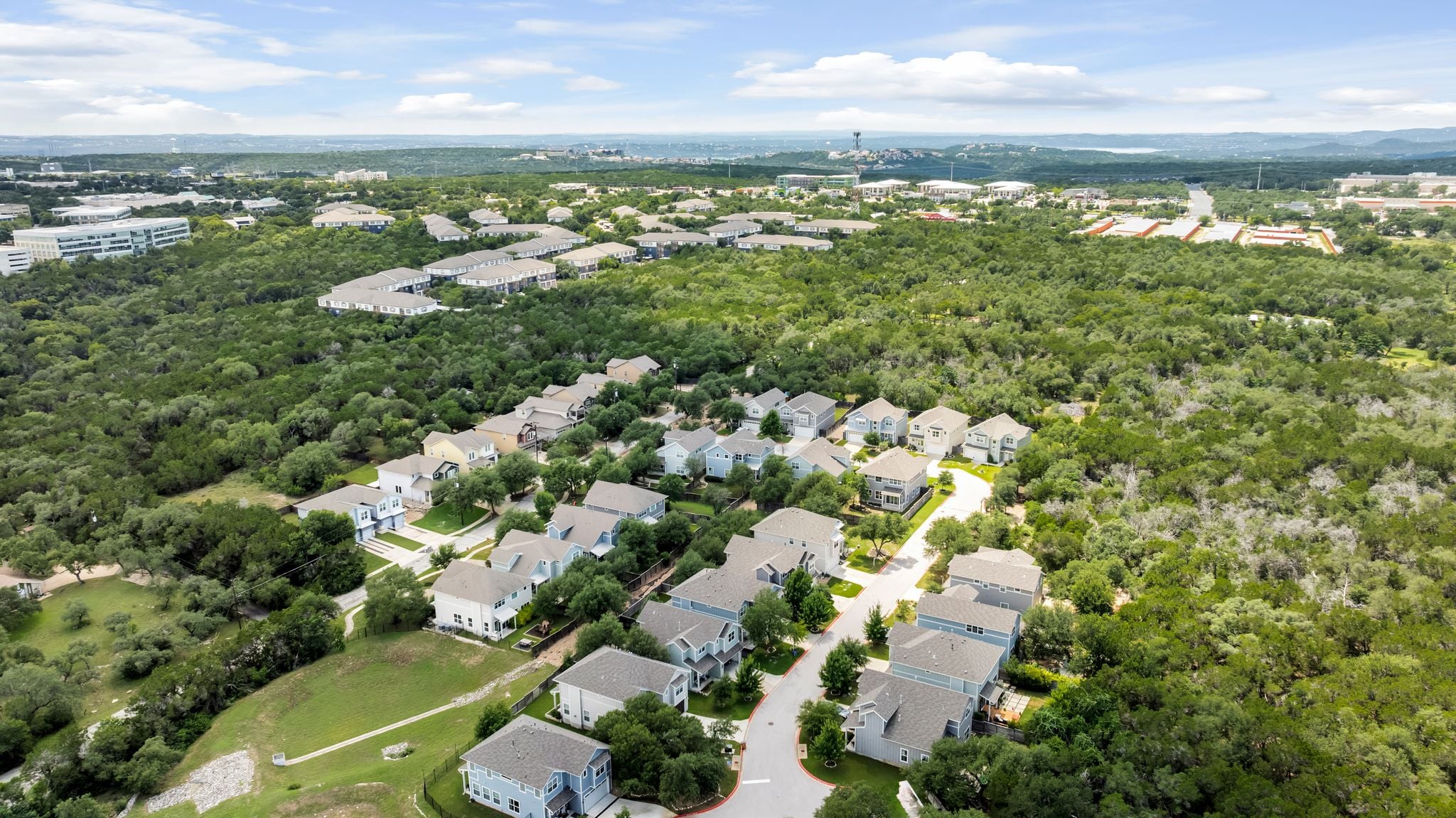
Northwest Hills has a mix of older homes, sloping lots, mature trees, and properties that have been remodeled or expanded over the years. Those characteristics can make foundation evaluation more nuanced than simply looking for a crack in the wall.
So what should you actually ask?
Is there evidence of foundation movement?
This is the first question, but it should not be the last.
During a Texas home inspection, the inspector is required to provide a written opinion regarding foundation performance and document visible indicators such as sloping floors, cracks or separations, binding or out-of-square doors, and certain masonry movement.
But seeing a crack does not automatically tell you how serious the situation is.
Ask:
Are there visible signs of movement?
Where are they located?
Are they isolated or occurring in several areas?
Are there cracks in walls, ceilings, floors, or masonry?
Are doors or windows sticking?
Are floors noticeably sloped?
Does the inspector believe the foundation is performing as expected?
The goal is to understand the pattern rather than react to one isolated observation.
What type of foundation does the home have?
Ask the inspector to identify the foundation type and explain what was accessible for inspection.
Some Northwest Hills homes have crawl spaces, while others have slab foundations. A crawl space can provide additional visibility into structural components, but accessibility can vary significantly.
TREC's inspection standards require inspectors to report the type of foundation and the vantage point from which the crawl space was inspected. They also recognize limitations when areas are inaccessible.
That makes this a useful question:
“How much of the foundation was actually visible during the inspection?”
An inspection conclusion is more meaningful when you understand what the inspector was able to see.
Does the movement appear active?
This is one of the most important questions a buyer can ask.
A house can have evidence of movement without necessarily having a current structural problem. Older homes can show signs of previous settlement or movement that have stabilized.
The more important question is whether there is evidence suggesting continued or adverse movement.
Ask:
“Based on what you observed, does this appear to be historical movement, or is there evidence that it may be ongoing?”
A home inspector may identify indicators and recommend additional evaluation, but determining whether a foundation needs repair can require a qualified structural professional. TREC's own training materials note that inspectors are not qualified to determine whether a foundation is in need of repair.
Has the foundation ever been repaired?
If the answer is yes, don't automatically treat that as a negative.
A properly evaluated and documented foundation repair can be very different from an unresolved foundation issue.
Ask the seller:
When was the work completed?
Who performed it?
What problem was being addressed?
Were piers, beams, drainage improvements, or other measures installed?
Are there engineering reports?
Are there invoices and warranties?
Was the work permitted when required?
Has the property been evaluated since the repair?
You are trying to establish a timeline.
Problem → evaluation → repair → monitoring is a much different story than problem → repair → no documentation → recurring symptoms.
Why did the foundation move in the first place?
This is where Northwest Hills buyers should think beyond the foundation itself.
Foundation performance can be affected by surrounding conditions, including drainage and grading. TREC specifically requires inspectors to report deficiencies in drainage around the foundation and deficiencies in grade levels around it.
Ask:
“What appears to be contributing to the movement?”
Possible contributing factors might include:
drainage toward the house
changes in soil moisture
grading problems
mature trees
plumbing leaks
slope-related water movement
previous construction or additions
retaining walls
changes to landscaping or irrigation
Finding the cause matters because repairing the foundation without addressing contributing conditions may not solve the larger problem.
How does water move around the property?
This is particularly important on a Northwest Hills property with elevation changes.
Walk the property after rain if possible. Look at where water appears to travel.
Ask:
Does water drain away from the foundation?
Are there areas where water collects?
Where do the downspouts discharge?
Are there retaining walls uphill or downhill from the house?
Does the lot have a noticeable slope toward the home?
Are there drainage channels or systems on the property?
Has the property experienced flooding or significant standing water?
Don't assume a standard home inspection will answer every drainage question.
Texas inspection standards do not require inspectors to determine the efficiency of underground or surface drainage systems, and underground drainage components may not be inspected because they are buried or concealed.
That is an important distinction when evaluating an older or hillside property.
Are there mature trees near the foundation?
Northwest Hills has plenty of mature landscaping, which is one of the area's appeals.
But trees deserve consideration when evaluating a foundation.
Ask:
“Are there large trees close enough to the home that they should be considered as part of the foundation evaluation?”
The answer does not mean a tree automatically needs to be removed. Instead, it means the tree, soil conditions, drainage, and foundation should be considered together.
If there are significant concerns, this may be a situation where additional professional evaluation makes sense.
Are retaining walls part of the foundation picture?
On a sloped Northwest Hills lot, retaining walls can be an important piece of the puzzle.
Ask:
Are there retaining walls on the property?
Are they showing cracks, leaning, or movement?
Are they directing water toward the home?
Are they structurally connected to the house?
Have they been repaired?
Is there documentation for previous work?
TREC's standards specifically address deficiencies in retaining walls when they are related to foundation performance.
A retaining wall is not automatically a foundation problem, but it can be part of the property's overall structural and drainage picture.
What does the previous inspection say?
If the seller has an older inspection report, ask to see it.
Comparing an older report with the current condition can sometimes provide useful context.
For example, if the same crack, door issue, or floor slope was documented several years ago, that information may help establish a history.
Ask:
“Has this issue appeared in previous inspection reports?”
Also ask whether previous owners completed repairs or obtained engineering opinions.
The history of the house can be just as important as what you see on the day of your inspection.
Has the house had additions or major remodeling?
This question is easy to overlook.
A Northwest Hills home may have started as a smaller house and later received additions, expanded living areas, outdoor structures, or major renovations.
Ask:
When were additions completed?
Were permits obtained?
Was the foundation designed for the addition?
Are there differences in floor elevations?
Are cracks concentrated near the transition between old and new construction?
Is there documentation from the remodel?
You don't need to assume an addition created a problem. You simply want to understand how the current structure came together.
Should I get a structural engineer?
If an inspection identifies meaningful foundation concerns, this is one of the most important questions to ask.
A standard home inspection is a limited visual inspection. It is not an exhaustive structural investigation, and inspectors are not required to determine the cause or effect of every deficiency.
That means an inspector might appropriately tell you:
“There are indicators that warrant further evaluation.”
That is useful information.
It does not necessarily mean:
“The house needs $50,000 of foundation repairs.”
Those are very different conclusions.
When the issue is significant, an independent structural engineer may be the appropriate next step.
What documentation should I request?
If foundation work has been performed, ask for everything available.
That may include:
engineering reports
foundation repair proposals
repair invoices
warranties
permits
before-and-after photographs
drainage plans
previous inspection reports
plumber reports
structural evaluations
Documentation can turn a vague concern into a much clearer picture.
It can also help a future buyer understand the property's history when you eventually sell the home.
Should foundation concerns change what I offer?
Potentially, yes.
Foundation concerns should be incorporated into the overall financial analysis rather than treated as a separate emotional decision.
Consider:
What is the home worth if the foundation is performing properly?
Then consider:
What additional risk, investigation, repair, or uncertainty am I taking on?
A house with a documented repair, stable history, good drainage, and a favorable structural evaluation is very different from a house with unexplained movement and no documentation.
The purchase price should reflect the actual condition and risk profile of the property.
What is the biggest foundation mistake Northwest Hills buyers make?
The biggest mistake is focusing on the existence of a crack instead of understanding the entire system.
A crack is information.
It is not a diagnosis.
The better questions are:
What am I seeing?
How extensive is it?
Does it appear active?
What may be causing it?
Has it been repaired?
Was the repair properly evaluated and documented?
Is drainage contributing to the problem?
Do I need a structural engineer or another specialist?
What could this mean financially?
That approach gives you much more useful information than simply asking whether the house has “foundation issues.”
What should buyers remember about Northwest Hills foundations?
Foundation questions should be part of every serious Northwest Hills buyer's due diligence, particularly with older homes, sloped lots, mature trees, previous additions, or visible signs of movement.
But don't let the word foundation automatically scare you away from a property.
Instead, investigate.
Understand what has happened, whether it is happening now, what may be causing it, and whether the issue has been professionally addressed.
The goal isn't to find a perfect house with no cracks, no repairs, and no history.
The goal is to understand the property well enough to make an informed decision.
In Northwest Hills, that often means looking at the foundation, drainage, lot, trees, retaining walls, and history of the house as one connected picture.
#NorthwestHills #JamesLucas
Check out this article next