
At a Glance
Inventory Synchronicity: Success depends on understanding the specific turnover rates in pockets like Cat Mountain versus the "flatter" sections near Doss Elementary.
The Contingency Shift: In the current market, sellers are more open to leasebacks or contingent offers than they were during the 2021 peak, providing a necessary buffer for movers.
Preparation Over Speed: Most logistical failures happen because the listing isn't "launch-ready" before the search for the new home begins.
The transition from one home to another is rarely a linear process, particularly in a neighborhood as established and architecturally diverse as Northwest Hills. For many residents here, the move isn't about leaving the area—it’s about finding the right "next phase" home within the same zip code. Whether you are trading a multi-level home on the slopes of Cat Mountain for a single-story ranch near Murchison Middle School, or looking for more yard space in the Chimney Corners area, the logistics of timing two transactions can feel daunting.
The goal is to avoid the stress of being "homeless" between closings or the financial strain of carrying two mortgages. Achieving this requires a quiet, methodical approach to the local market data and a clear-eyed understanding of how Northwest Hills operates differently than the rest of Austin.
What makes Northwest Hills timing unique?
Northwest Hills is not a monolithic market. Timing a sale here requires recognizing that the neighborhood is a collection of distinct micro-markets. A 1970s original on Far West Boulevard performs differently than a renovated view property on a quiet cul-de-sac.
When we look at the data from the Travis Central Appraisal District (TCAD), we see a neighborhood with high stability. People move here and stay for decades. This means inventory is often tight, but it also means that when a specific type of home—like a single-story with a flat backyard—hits the market, it moves quickly regardless of broader economic headlines.
If you are selling to buy, you have to account for these "neighborhood anomalies." For example, if you are moving out of a home with a steep driveway and looking for something more accessible for aging in place, you are moving from a high-inventory category into a low-inventory category. Understanding that imbalance is the first step in setting a realistic timeline.
Should you buy first or sell first?
This is the most common question I hear during kitchen table consultations. The answer is rarely a simple "this or that," but rather a strategy based on your specific financial comfort and the current demand for your specific street.
The case for listing first
In the current Northwest Hills environment, listing your home first is often the most grounded path. It puts you in a position of strength. When you find the house you want to buy, having your current home under contract—or at least active on the market—makes your offer significantly more attractive to the seller.
We often utilize the "Temporary Residential Leaseback." This allows you to close on the sale of your current home, receive your equity, and then remain in the home for 30 to 60 days as a tenant. This window provides the breathing room needed to close on your next Northwest Hills property without a frantic weekend move.
The case for buying first
If you have the financial liquidity to carry two residences temporarily, buying first allows you to wait for the "perfect" house. In areas like the Courtyard or specific blocks near Austin Independent School District schools like Doss, the right house might only come up once every two years. If you find it, you may need to act immediately. However, this strategy requires a high degree of confidence in your current home’s "sellability."
How do specific floor plans impact your timeline?
In my daily work across these streets, I’ve observed that certain floor plans act as the "currency" of the neighborhood.
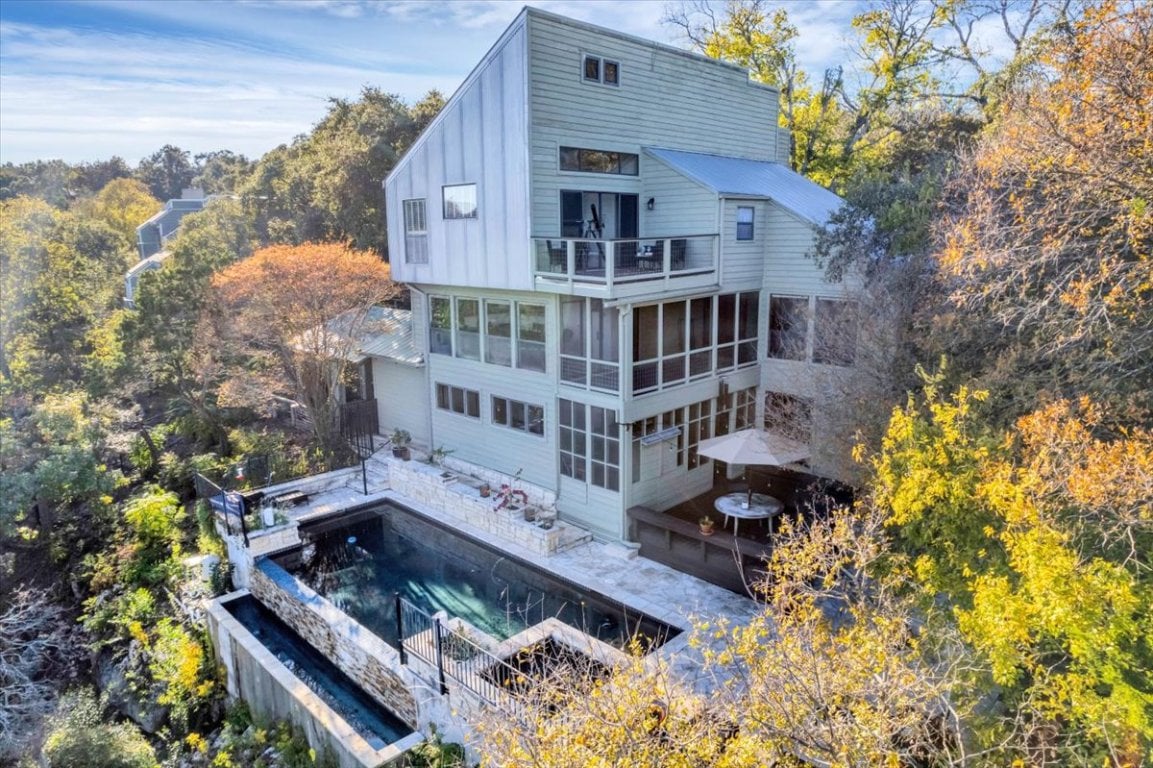
In Cat Mountain, many homes are built into the hillside, resulting in multi-level layouts with incredible views but challenging stairs. These homes often appeal to a specific buyer. If you are selling one of these, your timeline might be slightly longer than if you were selling a traditional four-bedroom ranch in the Chimney Corners section.
If your "next purchase" is one of the rare flat-lot homes in the neighborhood, you need to be ready to move fast. These properties are the gold standard in Northwest Hills. To time this correctly, I often advise clients to have their current home "pre-marketed"—professional photography done, repairs completed, and disclosures signed—before they even start touring new listings. This way, the moment the right house appears, we can hit "publish" on your listing within hours.
What role does the "leaseback" play in a smooth transition?
The leaseback is perhaps the most undervalued tool in the Austin real estate market. It effectively de-couples the closing date from the moving date.
When we negotiate a sale for a client who is also buying, we often prioritize buyers who are flexible with a leaseback over those offering a slightly higher price but demanding immediate possession. Staying in your home for a month after you've officially sold it allows you to sign your new closing papers, move at a human pace, and perhaps even complete minor renovations or painting on the new house before the moving trucks arrive.
How do we handle the "Contingency" conversation?
A few years ago, a "contingent on the sale of another home" offer was almost never accepted in Austin. That has shifted. Sellers in Northwest Hills are now more willing to consider these offers, provided they are structured correctly.
A successful contingent offer usually requires:
Proof of Marketability: Showing that your current home is already listed or about to be.
Clear Communication: Providing the other party with a transparent look at the interest levels in your current home.
The "Kick-out" Clause: Accepting that the seller may keep their home on the market while they wait for you to perform.
By navigating these nuances, we can often bridge the gap between two homes without the need for a bridge loan or temporary housing.
Common Questions About Timing a Move in Northwest Hills
How long does it typically take to sell a home in 78731 right now?
While the "Days on Market" metric fluctuates, a well-priced, well-prepared home in Northwest Hills typically finds its buyer within 21 to 45 days. However, unique properties or those requiring significant updates may take longer. It is best to plan for a 60-day window to be safe when coordinating a purchase.
Can I use the equity from my current sale for the down payment on the next one?
Yes, this is the primary reason for a "simultaneous closing." The title companies coordinate the two transactions so that the funds from your sale are wired directly to the purchase of your next home. This requires precise coordination between your agent, the lenders, and the title officers.
What if my current home sells faster than I find a new one?
This is where the leaseback or a longer closing period comes into play. We can also look at "extended delivery" options or, in some cases, negotiate a "seller's right to cancel" if a replacement home cannot be found within a certain timeframe, though this is less common.
Are there seasonal patterns in Northwest Hills I should follow?
Traditionally, the market surges in the spring as families look to settle in before the new school year at Doss, Hill, or Murchison. However, Northwest Hills sees consistent activity year-round due to its proximity to the tech corridor and UT. Often, listing in a "quieter" month like October can be beneficial because you face less competition from other sellers.
Moving forward with confidence
Timing a move is less about luck and more about the deliberate preparation of your "sell" side so that you can be a decisive "buyer." In Northwest Hills, where the inventory is as varied as the topography, having a grounded understanding of what buyers are looking for today allows you to move with a sense of control.
If you are beginning to think about a transition—whether it’s six months or a year away—the best first step is a simple walk-through of your current home. We can look at what updates might be necessary to ensure a swift sale when the right "next" house eventually hits the market.
There is no need for high-pressure timelines; often, the best moves are the ones that were planned quietly and executed when the right opportunity naturally appeared.
#NWHills
Check out this article next