

At a Glance
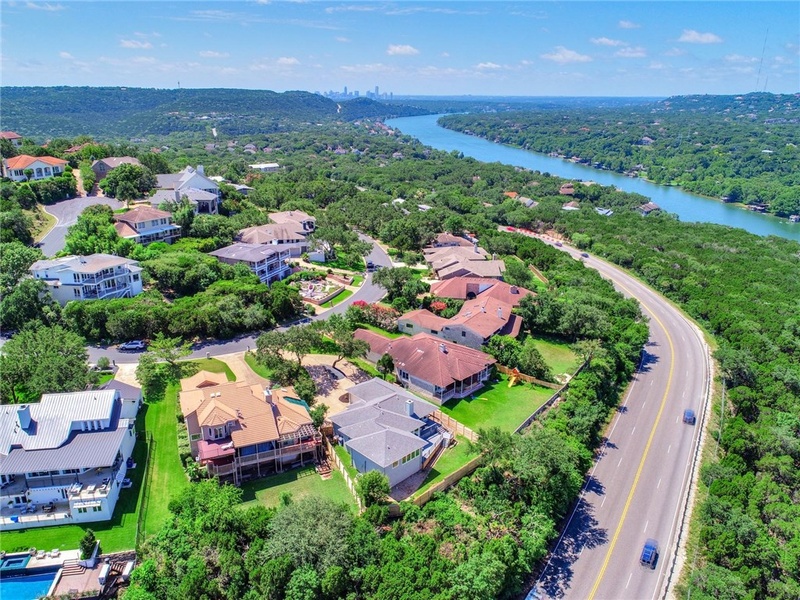
Northwest Hills feels like quiet, established Austin with deep roots and heavy tree cover
Daily life is car-dependent, but highly convenient within a 10–20 minute radius
Residents value stability, schools, and central access more than nightlife or walkability
Homes range from original 1970s builds to fully modern hillside rebuilds
The vibe is “calm, older Austin that never got bulldozed into something newer”
Northwest Hills isn’t trying to impress you.
That’s the first thing people notice after they move in.
It’s not loud. Not trendy. Not constantly reinventing itself like other parts of Austin.
It just… holds steady.
And in a city that changes every six months, that steadiness starts to feel like its own kind of luxury.
What does daily life actually feel like here?
If you ask residents what a normal weekday looks like, you’ll hear a pattern that’s surprisingly consistent:
Morning drive down MoPac or Loop 360
Coffee run near Far West or at home
Work in downtown, The Domain, or remote setups
Evening return into quiet, shaded streets
Dogs walked under heavy tree canopy
Nights that are mostly still, not staged
It’s not a “scene.”
It’s a rhythm.
One Reddit resident put it simply when describing Far West–area living:
“I walk everywhere all the time… there’s no nightlife really, but it’s a quick shot down MoPac.”
That’s pretty accurate.
You’re not here for constant activity. You’re here for control over your environment.
What do people actually like about living in Northwest Hills?
1. The trees change everything
This is one of those neighborhoods where the landscape does half the emotional work.
Mature oaks. Rolling terrain. Deep shade even in summer.
It feels older than it is in spirit.
Not manicured. Just established.
2. You’re close to everything—but not in it
From most homes, residents can reach:
Downtown Austin in ~10–20 minutes (off-peak)
The Domain in ~10–15 minutes
UT Austin in ~10–15 minutes
That proximity matters more than people expect.
You stay connected to Austin without living in Austin’s density.
3. The neighborhood feels stable, not transient
This is a big one.
People don’t cycle in and out quickly here.
You’ll find:
Long-term homeowners
Multi-decade residents
Families that upgrade within the same area
That creates a quieter kind of social environment.
Less churn. More familiarity.
4. Schools anchor a lot of decisions
The area is primarily within Austin Independent School District, with established feeder patterns that attract families prioritizing stability and proximity.
It’s not just about ratings—it’s about continuity.
People plan years ahead here.
What do residents quietly struggle with?
No neighborhood is all upside. Northwest Hills has a few realities that show up once you live here.
1. It’s more car-dependent than people expect
Even though you’re close to retail corridors like Far West Boulevard, most daily life still revolves around driving.
Groceries, restaurants, errands—usually a short drive, not a walk.
You can walk for lifestyle. Not for logistics.
2. MoPac traffic is the daily tax
Ask anyone who commutes.
MoPac can be:
Fast at 10 a.m.
Frustrating at 8 a.m.
Predictably inconsistent
You learn timing. Or you learn patience.
Usually both.
3. Homes are older—sometimes unpredictably so
A lot of the housing stock dates back to the 60s–90s.
That means:
Great character in some homes
Heavy renovation needs in others
Big variation in system updates
Two homes on the same street can feel like different worlds.
4. Walkability is selective
Some pockets near Far West feel walkable for errands.
Interior streets? More for walking dogs, not running your life.
It’s a “walk because it feels good” neighborhood, not a “walk because you have to” one.
What kind of people live here?
This is where resident insights get interesting.
Northwest Hills tends to attract:
Professionals tied to central Austin or remote work
Families prioritizing schools and stability
Long-term homeowners who value quiet over novelty
People who tried trendier neighborhoods and eventually wanted less noise
There’s also a strong “stay-put” culture.
Once people settle in, they don’t rush to leave.
That says a lot.
What’s the actual vibe on the ground?
If you strip away marketing language, the vibe is this:
Quiet mornings
Shaded streets that feel older than the city around them
A mix of original homes and modern rebuilds
Minimal nightlife, intentional calm
A neighborhood that doesn’t perform—it just exists
A 2026 resident guide describes it as a place with “serene suburban charm and urban convenience” just minutes from downtown.
That’s the tension: calm streets, close city.
Both at once.
Is it safe?
Generally, yes.
Northwest Hills is widely considered a low-incident residential area compared to more central, high-density parts of Austin.
Like any established urban neighborhood, you’ll see:
Typical property crime patterns
Occasional vehicle-related issues
Very little that feels chaotic or unsafe at a neighborhood level
Residents commonly describe it as quiet and predictable rather than reactive or high-drama.
You feel it more in what doesn’t happen than what does.
What surprises people after moving here?
A few consistent patterns show up:
1. “It’s quieter than I expected”
Even close to major roads, interior streets stay calm.
2. “I use my car more than I thought I would”
Even with nearby retail corridors.
3. “I don’t miss nightlife as much as I thought”
Because the tradeoff is space and stillness.
4. “I understand why people don’t leave”
This one comes up a lot.
Not because it’s perfect—but because it’s stable.
Who fits best here?
Northwest Hills tends to work best for people who:
Want central Austin without central chaos
Value trees, privacy, and older neighborhood texture
Prefer stability over constant change
Don’t need walk-everywhere urban living
Are thinking long-term, not transitional
It’s less about lifestyle trends.
More about lifestyle endurance.
Questions buyers ask most often
Is Northwest Hills boring to live in?
Depends on what you call boring. It’s quiet, not inactive. There’s no built-in nightlife scene.
Can you walk to restaurants and stores?
Some areas near Far West allow limited walkability, but most errands are still car-based.
Is it family-friendly?
Yes. Schools, quiet streets, and long-term residents make it a common choice for families.
How’s the commute really?
Very location-dependent, but generally 10–25 minutes to central job hubs outside peak congestion.
Do people stay long-term?
Yes. High retention is one of the defining traits of the neighborhood.
Final thoughts
Living in Northwest Hills isn’t about excitement.
It’s about consistency.
You get trees that don’t move fast. Streets that don’t change overnight. Homes that carry decades of lived-in history. And a location that quietly keeps you connected to the rest of Austin without demanding you live inside its noise.
It’s not trying to be the next version of Austin.
It’s holding onto an older one—and letting people settle into it at their own pace.
In a city that keeps reinventing itself, that kind of stability tends to age better than people expect.
#NWHills
Check out this article next
