
At a Glance
Westlake = higher price point, stronger luxury positioning, Eanes ISD school district
Northwest Hills = more central location, older homes, better commute access to downtown
Westlake feels more “estate luxury,” Northwest Hills feels more “central Austin established”
Both are strong long-term holds, but they serve very different lifestyles
The decision usually comes down to schools + commute + privacy vs convenience
This comparison comes up a lot — and it usually starts with a simple misunderstanding.
People think they’re choosing between two versions of the same thing.
They’re not.
Northwest Hills and Westlake are both high-demand Austin neighborhoods, but they were built on completely different philosophies.
One is central Austin that grew into stability.
The other is Hill Country luxury that built its own ecosystem.
That difference drives everything else.
Where are you actually living?
Northwest Hills: central Austin hillside living
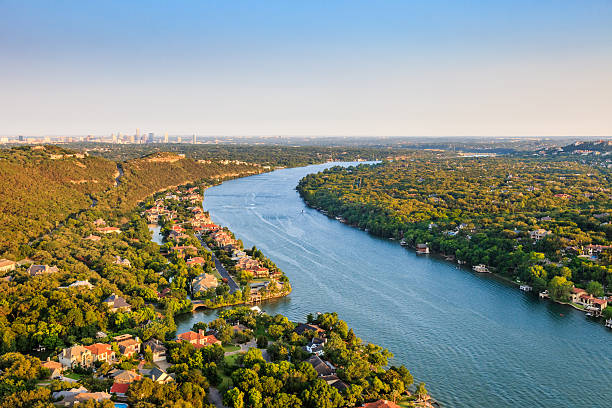
Northwest Hills sits just northwest of downtown, carved into rolling terrain with mature trees, older custom homes, and winding residential streets.
It’s:
Close to downtown and UT Austin
Built on older Austin development patterns
Full of remodels, teardowns, and long-term ownership
Naturally shaded and established
It feels like Austin that never tried to become something else.
Westlake: Hill Country estate living
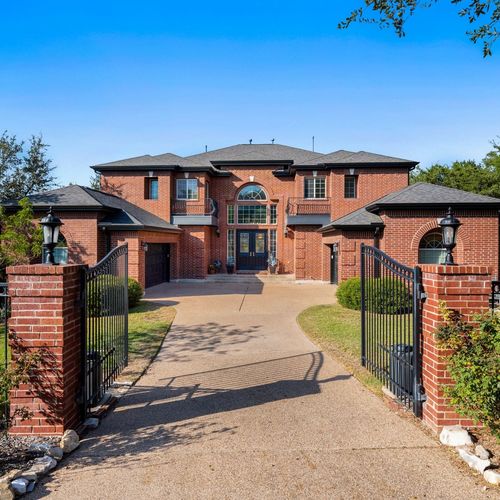
Westlake Hills sits west of downtown Austin, rolling into the Hill Country with larger lots, newer luxury construction, and more intentional estate-style development.
It’s:
Less dense
More private
More “estate property” oriented
Heavily tied to luxury school zoning
It feels designed for space, privacy, and separation from urban Austin.
How do the homes compare?
Northwest Hills homes
You’ll typically see:
1970s–2000s base homes
Heavy remodel activity
Tear-down rebuild pockets
Mixed architectural styles
Strong variation street-to-street
Price range: often ~$800K–$2M depending on condition and location
Strength: location + value layering
Tradeoff: older inventory variability
Westlake homes
You’ll typically see:
Larger custom builds
Modern luxury construction
Gated or estate-style properties in some areas
Higher consistency in design quality
Price range: commonly $1.5M–$5M+ depending on lot and view corridor
Strength: luxury uniformity + privacy
Tradeoff: higher entry cost and longer commutes
Schools: the biggest decision point
This is where the split becomes very real.
Northwest Hills school system
Most of Northwest Hills feeds into Austin Independent School District.
AISD offers:
Broad academic pathways
Strong central school access in select campuses
Urban district diversity and scale
It’s a large, complex system that varies by campus.
Westlake school system
Westlake is served by Eanes Independent School District.
Eanes ISD is known for:
High-performing academic reputation
Strong community involvement
Tight feeder patterns
Consistent performance across campuses
For many buyers, this alone tilts the decision toward Westlake.
But it comes with a tradeoff: price.
Commute: where lifestyle gets decided
Northwest Hills commute reality
Downtown Austin: ~10–25 minutes (depending on MoPac traffic)
The Domain: ~10–20 minutes
UT Austin: ~10–15 minutes
This is one of its biggest advantages.
You stay connected to central Austin without living inside it.
Westlake commute reality
Downtown Austin: ~15–35+ minutes depending on route
Westlake core to tech corridors: variable
Highly dependent on bridge crossings and peak congestion
You trade central access for space and privacy.
That trade is intentional — but it’s real.
Lifestyle: two different definitions of “Austin living”
Northwest Hills lifestyle
This is:
Mature trees and hillside streets
Quiet residential rhythm
Short trips into the city
Older Austin neighborhood energy
Less structured, more organic living
It feels grounded and established.
Not flashy. Not engineered.
Westlake lifestyle
This is:
Larger lots and estate homes
More privacy between properties
Higher-end residential design
Hill Country backdrop
Strong separation from urban density
It feels elevated, intentional, and controlled.
Less “neighborhood.” More “estate living.”
Privacy and space
Northwest Hills
Privacy comes from:
Trees
Terrain variation
Older lot layouts
Cul-de-sacs and winding streets
It’s natural privacy — not engineered separation.
Westlake
Privacy comes from:
Larger lots
Setbacks
Estate planning
Elevation and distance between homes
It’s designed privacy — more predictable, more consistent.
Value and long-term appreciation
Both are strong long-term holds, but for different reasons.
Northwest Hills value drivers:
Central Austin scarcity
Remodel and teardown cycles
High demand from relocation buyers
Limited land supply
Westlake value drivers:
Luxury demand ceiling
Eanes ISD school premium
Estate land scarcity
Strong ultra-high-income buyer pool
Northwest Hills is scarcity + location.
Westlake is scarcity + prestige.
So which one is better?
Here’s the honest answer:
Choose Northwest Hills if you want:
Shorter commute times
Central Austin access
Older neighborhood character
More price flexibility (relatively speaking)
A mix of remodel and rebuild opportunities
Choose Westlake if you want:
Top-tier school district priority
Larger luxury homes
More privacy and separation
Estate-style living
Higher-end long-term positioning
The real decision most buyers miss
This isn’t really a “better neighborhood” question.
It’s a rhythm question.
Northwest Hills is:
“I want Austin close to me.”
Westlake is:
“I want space between me and Austin.”
Both are valid.
But they don’t overlap much in daily life.
Questions buyers ask most often
Is Westlake more expensive than Northwest Hills?
Yes — significantly, especially in the luxury segment driven by Eanes ISD and larger estate lots.
Which has better schools?
Westlake (Eanes ISD) is generally considered higher-performing, but Northwest Hills has strong individual campus variation within AISD.
Which is better for commuting?
Northwest Hills is typically faster to downtown and central Austin employment areas.
Which has better luxury homes?
Westlake has more consistent luxury estate inventory, while Northwest Hills has more variation and remodel-driven luxury.
Which is better long-term?
Both are strong; the better fit depends on whether you prioritize central access or estate living.
Final thoughts
Northwest Hills and Westlake aren’t competing neighborhoods.
They’re two different versions of success in Austin real estate.
One is built on proximity — staying close to the heart of the city while living in calm, shaded streets.
The other is built on separation — moving outward into space, privacy, and estate-scale living.
Neither is wrong.
But they answer different versions of the same question:
How close do you want to be to Austin… while you’re living your life inside it?
And once you answer that honestly, the decision usually makes itself.
#NWHills
Check out this article next