

At a Glance
A Northwest Hills forever home isn't necessarily the biggest or most expensive house. It's a home that can continue working as your needs change.
The best candidates usually combine a good lot, functional floor plan, manageable maintenance, strong location, and room for future changes.
Single-story living, flexible bedrooms, an accessible primary suite, good parking, and usable outdoor space can become increasingly valuable over time.
Because much of Northwest Hills was developed from the 1950s through the 1980s, buyers should pay close attention to major systems and future maintenance.
The most important question isn't simply, "Do I love this house today?" It's, "Can I see this house working for me years from now?"
When you're buying a house you expect to own for three or five years, you can make decisions based heavily on what works for you right now.
But a different mindset is needed when you're looking for a forever home.
You aren't just buying the kitchen you like today.
You're buying the neighborhood you want to wake up in years from now. You're buying a floor plan that may need to accommodate a growing family, adult children, visiting relatives, a home office, or changing mobility. You're buying a lot that you may eventually value for its privacy, trees, views, or manageable maintenance more than you do today.
That's particularly relevant in Northwest Hills.
The neighborhood has an established housing stock, mature trees, larger lots, and a location that keeps you connected to central Austin. Many homes were built decades ago, with a mix of original properties, remodeled homes, and newer construction.
That creates a lot of possibilities.
But not every Northwest Hills home is equally well suited to becoming a forever home.
What actually makes a home a forever home?
A forever home is less about a specific architectural style and more about long-term flexibility.
The house should work for your current lifestyle while giving you enough options to accommodate changes later.
That could mean:
A bedroom becoming an office
An office becoming a guest room
A playroom eventually becoming a media room
A large backyard eventually becoming easier-maintenance landscaping
A bathroom being adaptable for changing mobility
A garage continuing to accommodate vehicles and storage
A primary bedroom remaining convenient as you get older
The best forever homes don't require you to know exactly what your life will look like 15 years from now.
They simply give you room to adapt.
Is the lot more important than the house?
In Northwest Hills, I would take this question very seriously.
The house can be remodeled.
The kitchen can be replaced.
The floors can be changed.
Walls can sometimes be moved.
The lot cannot.
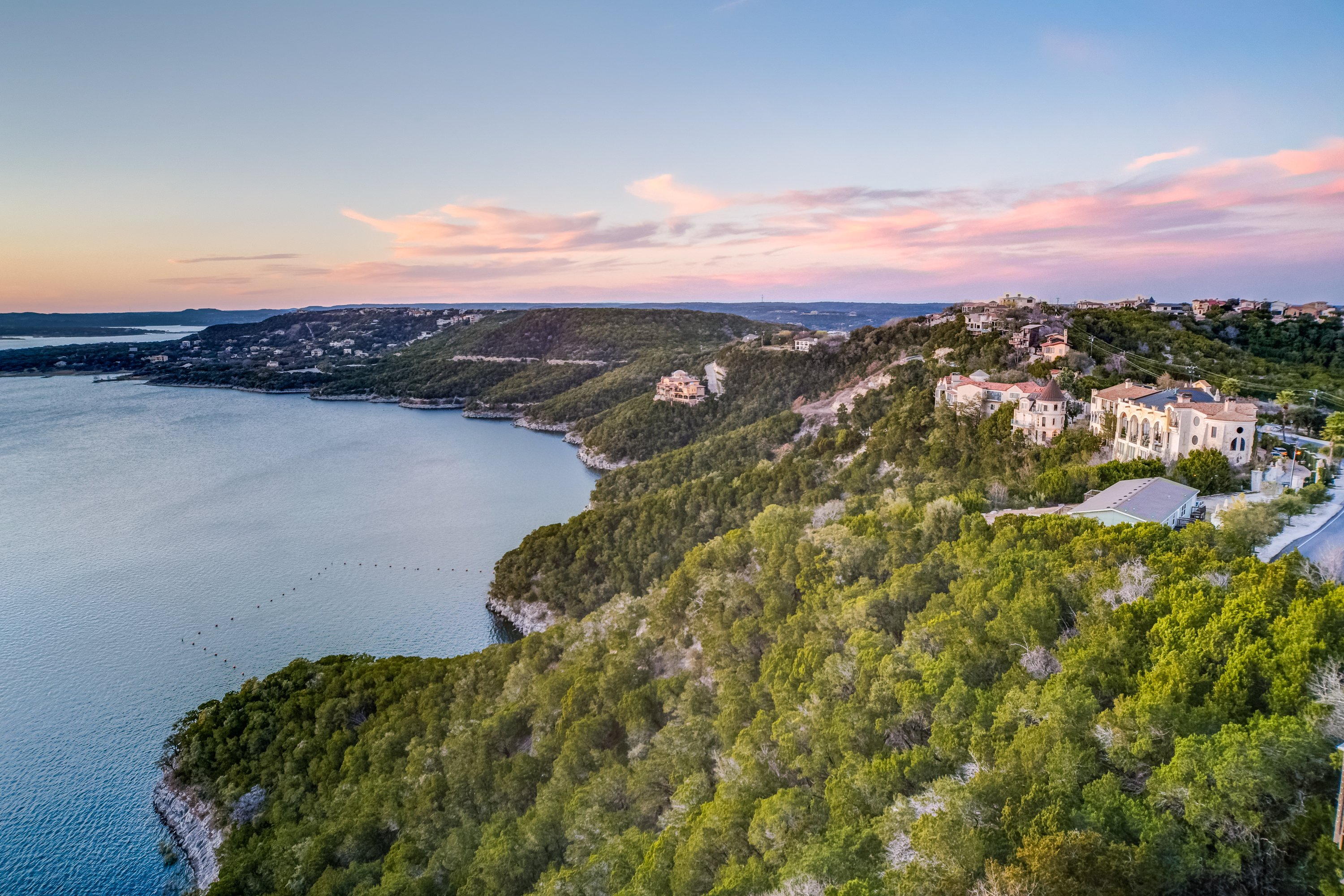
Northwest Hills is known for its rolling terrain, mature trees, larger lots, and properties that can offer privacy or views. Those characteristics are a significant part of the neighborhood's appeal.
If you're looking for a forever home, think carefully about the lot.
Ask:
Do I like the street?
Do I like the surrounding homes?
Is the backyard usable?
Do I value privacy?
Are there mature trees I want to preserve?
Is the slope manageable?
Does the lot have drainage concerns?
Could I still enjoy the property if my priorities change?
You may eventually remodel the house.
You aren't going to move the house to a better lot.
How important is the location within Northwest Hills?
Very important.
"Northwest Hills" isn't one uniform experience.
The neighborhood contains different pockets, street patterns, elevations, lot sizes, and housing types. Some areas are flatter, while others are more dramatically hilly.
For a forever home, I would pay attention to what surrounds the property as much as what's inside it.
Think about:
Noise.
Traffic.
Privacy.
Views.
Walkability.
Access to major roads.
Distance to everyday services.
How easy it is to get in and out of the neighborhood.
The house may be perfect, but if you don't enjoy the street, you may eventually stop enjoying the house.
Is a single-story floor plan better for a forever home?
Often, yes.
This is especially true if you expect to stay in the property for decades.
A single-story home can eliminate one of the biggest potential obstacles to long-term living: stairs.
Northwest Hills has a significant number of ranch-style and single-story homes, although the neighborhood also includes two-story, split-level, and newer construction.
If you're considering a forever home, look at where the important rooms are located.
Ideally, you want the ability to live comfortably on one level.
That doesn't mean you need every bedroom downstairs.
But having:
A primary bedroom
A full bathroom
Kitchen
Living space
Laundry
Garage access
on the same level can give you significant flexibility.
And even if stairs aren't an issue today, it's worth considering whether they could become one later.
Does a two-story home make a bad forever home?
Not at all.
A two-story home can still be an excellent forever home if the layout is adaptable.
For example, a home with a primary suite downstairs and secondary bedrooms upstairs can work very well for many years.
The important question is what happens if your needs change.
Could a downstairs office become a bedroom?
Is there a full bathroom nearby?
Could you comfortably live on the main level if you eventually stopped using the upstairs regularly?
These are questions worth asking before you buy.
A two-story home isn't automatically less adaptable.
A poorly designed two-story home is.
How important is a flexible floor plan?
Extremely important.
Your family may look very different ten years from now.
Maybe you have young children today.
Maybe they'll eventually leave for college.
Maybe you work from home now but won't later.
Maybe you want a dedicated guest room.
Maybe you eventually want a hobby room, home gym, library, or office.
A forever home should ideally have rooms that can change purpose.
This is one reason I would be careful about choosing a house where every room has an extremely specific function.
Flexibility has value.
A bedroom can be an office.
An office can be a guest room.
A game room can become a second living room.
A large bonus space can evolve with the family.
The more easily the house can change with you, the more likely it is to remain useful.
How important are the primary bedroom and bathroom?
Very.
If you're planning to stay in a home for a long time, don't think only about whether the primary suite is attractive.
Think about whether it will remain comfortable.
Consider:
Location within the house
Number of stairs
Bathroom accessibility
Shower configuration
Closet space
Privacy
Natural light
Distance from other bedrooms
Access to outdoor space
A primary suite on the main level can be particularly valuable for long-term ownership.
And a bathroom with enough space to adapt later is worth noticing.
You don't necessarily need an accessibility-focused bathroom today.
You want a bathroom that could become one if necessary.
How important is the garage?
A garage may become more important over time than you initially expect.
For a family, it's practical for vehicles, bikes, tools, sports equipment, and storage.
Later, convenient garage access can become a major quality-of-life feature.
When evaluating a forever home, look at more than the number of garage spaces.
Consider:
Garage size
Driveway slope
Garage-to-house access
Steps
Storage
Vehicle clearance
Ability to organize the space
Northwest Hills' terrain makes driveway and garage access particularly worth examining.
A beautiful home with a difficult, steep approach may not be the best long-term fit for everyone.
Should a forever home have a flat backyard?
Not necessarily.
This is one of the interesting tradeoffs in Northwest Hills.
A flatter yard can be easier for children, pets, outdoor entertaining, gardening, and future accessibility.
But a sloped lot can offer something equally valuable: elevation, privacy, mature trees, and views.
Northwest Hills' terrain is part of what gives many properties their character.
So rather than asking:
"Is the backyard flat?"
I'd ask:
"Does the backyard work for the way I want to use it?"
That's a much better forever-home question.
Should you prioritize views?
If you love them, yes.
But understand the tradeoff.
A view can be one of the hardest features to recreate.
You can remodel a kitchen.
You can replace flooring.
You can build a new bathroom.
You can't easily recreate an elevated position with a protected view.
That's one reason certain Northwest Hills lots can be especially compelling.
At the same time, views can come with slopes, retaining walls, drainage considerations, or more complicated landscaping.
For a forever home, decide whether the view is worth the additional property considerations.
How important is privacy?
Privacy tends to become more valuable over time.
When you're younger, you might care primarily about having enough space for your family.
Later, you may appreciate sitting outside without looking directly into another home's backyard.
Mature trees, lot orientation, elevation, and setbacks can all contribute to privacy.
That's another reason the lot deserves so much attention when you're looking for a forever home.
The house may change.
The setting usually won't.
Should a forever home be fully renovated?
Not necessarily.
This is one of the biggest mistakes buyers can make.
They see a beautifully renovated kitchen and assume the house is ready for decades of ownership.
But a forever home should be evaluated from the inside out.
What's happening with:
Foundation?
Drainage?
Roof?
Plumbing?
Electrical?
HVAC?
Sewer?
Windows?
Retaining walls?
Insulation?
Water management?
Northwest Hills has a substantial amount of older housing, and condition can vary significantly between properties.
A dated house with excellent bones and a great lot may actually be a better long-term purchase than a heavily renovated house with major infrastructure issues.
Don't confuse beautiful with durable.
Is newer construction automatically better for a forever home?
No.
New construction can offer modern layouts, newer systems, better energy efficiency, and contemporary design.
But an older home can offer something new construction can't easily reproduce:
an established lot and mature setting.
That's particularly relevant in Northwest Hills.
Some buyers would rather have a beautifully positioned older home under mature trees than a newer house on a less compelling lot.
Others prefer the lower maintenance uncertainty of newer construction.
Neither choice is inherently better.
The right answer depends on what you value over the next 20 years.
How much should you think about maintenance?
A lot.
This is one of the least glamorous parts of choosing a forever home, but it may be one of the most important.
Ask yourself:
How much house do I actually want to maintain?
A 5,000-square-foot house on a steep lot may be impressive.
But if you eventually find the stairs, landscaping, pool, roof, windows, and mechanical systems overwhelming, the house may become a burden.
A slightly smaller property with a better layout and manageable maintenance may serve you much longer.
Forever doesn't mean biggest.
It means sustainable.
What about the neighborhood itself?
This is where Northwest Hills has a real advantage.
It's an established neighborhood rather than a new development that you're hoping will eventually mature.
The streets, trees, surrounding homes, and general character are already there.
Many homes date from earlier decades, and the neighborhood has continued to evolve through renovations and new construction rather than being completely rebuilt.
That makes it easier to evaluate what you're actually buying.
You can drive the streets.
Walk the block.
Look at neighboring properties.
See how the trees have matured.
Pay attention to traffic.
Visit at different times of day.
A forever home should feel right not just on the listing appointment, but on an ordinary Tuesday.
What should buyers ask themselves before calling a house a forever home?
I'd ask these questions:
Do I like the lot?
Remember, you can't change it.
Do I like the street?
You can't remodel the neighborhood.
Does the floor plan work today?
Don't buy a house that requires you to tolerate major functional problems from day one.
Can the floor plan adapt?
Think about future bedrooms, offices, guests, and mobility.
Are the major systems in reasonable condition?
Cosmetic updates aren't enough.
Can I afford the maintenance?
Think beyond the purchase price.
Do I like the location?
Consider the next 10 or 20 years, not just today's commute.
Will I still enjoy the outdoor space?
Think about maintenance as well as appearance.
Does the house give me options?
That may be the most important question of all.
What are the biggest mistakes when choosing a forever home?
One of the biggest is buying for today only.
Another is buying based too heavily on finishes.
A gorgeous kitchen can be replaced.
A great lot can't.
A third mistake is buying more house than you actually want to maintain.
And another is assuming that a house has to be perfect on day one.
It doesn't.
If the structure, lot, location, and floor plan are right, you can improve the house over time.
That's often a better strategy than paying a premium for someone else's renovation and assuming every decision they made was the right one for you.
So, what makes a Northwest Hills home a forever home?
I'd boil it down to five things:
The right lot.
The right location.
The right floor plan.
The right condition.
The ability to adapt.
That's what makes a home different from a forever home.
You may change the kitchen.
You may repaint.
You may remodel the bathrooms.
You may add a pool or redesign the backyard.
You may eventually make accessibility improvements.
But if you start with a great lot, a good street, a functional layout, and a property that can evolve with you, you have something much harder to replace.
That's why I think the best Northwest Hills forever homes aren't necessarily the flashiest ones.
They're the homes that continue to make sense.
They work for your life today.
They have room for tomorrow.
And years from now, you can look around and still think:
"This is where I want to be."
#NorthwestHills #JamesLucas
Check out this article next