
At a Glance
Natural light is an important part of how buyers experience a Northwest Hills home, even though it can be difficult to quantify in a listing.
The neighborhood's mature trees, elevation, and views create beautiful settings but can also affect how much daylight reaches the interior.
Buyers tend to respond well to large windows, good sightlines, bright living areas, and strong connections between indoor and outdoor spaces.
Orientation matters. A home can have plenty of windows and still feel dark depending on the direction they face and the surrounding landscape.
The best Northwest Hills homes often balance natural light, privacy, shade, views, and energy efficiency rather than maximizing glass everywhere.
Natural light is one of those features buyers often notice without consciously putting a price on it.
You walk into one home and it immediately feels open, comfortable, and inviting.
You walk into another with similar square footage and finishes, but it feels darker and more enclosed.
The difference may have very little to do with the quality of the renovation.
It can come down to window placement, orientation, ceiling height, surrounding trees, elevation, and the way the home connects to the outdoors.
That matters particularly in Northwest Hills.
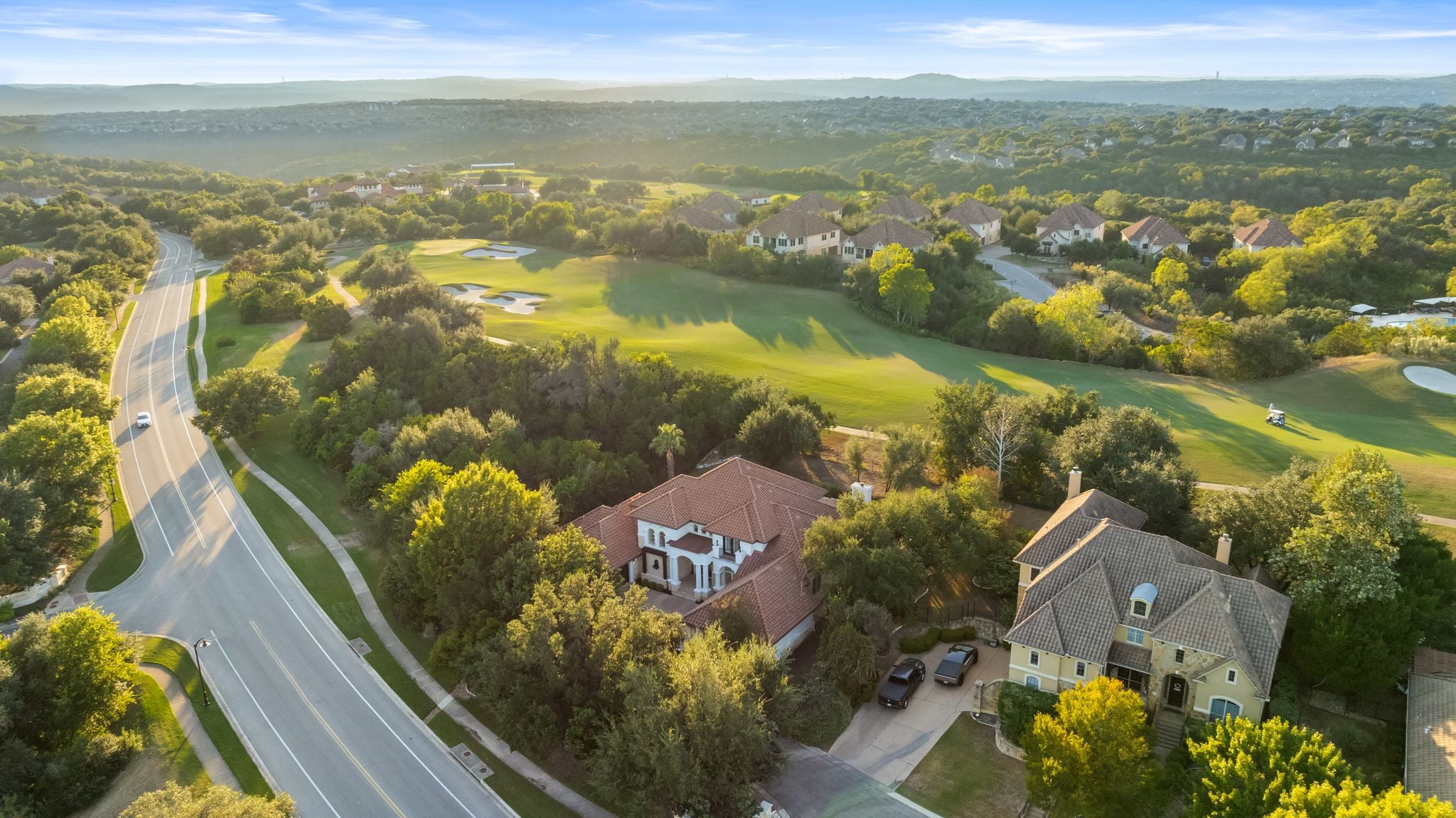
The neighborhood's rolling terrain and mature oak canopy are major parts of its appeal. Homes can have exceptional privacy, views, and natural surroundings, but those same trees and topographic conditions can limit daylight in certain rooms.
So how important is natural light to Northwest Hills buyers?
In my experience, very important—but the best homes aren't necessarily the ones with the most windows. They're the ones that use light well.
Why does natural light matter so much to buyers?
Natural light affects how a home feels.
It can make rooms appear:
Larger
More open
Cleaner
More connected to the outdoors
More comfortable
More welcoming
It can also change how buyers perceive the finishes already in the house.
A beautiful kitchen in a dark room may not have the same impact as a simpler kitchen filled with daylight.
That's why natural light has become a meaningful part of the overall buyer experience.
Current Austin buyer research and design trends continue to point toward strong demand for large windows and daylight-filled interiors. A recent 2026 Homes.com survey reported that 85% of respondents preferred ample natural light in kitchens.
For Northwest Hills specifically, natural light is also tied to the neighborhood's architecture and terrain.
Does Northwest Hills' tree canopy make natural light more complicated?
Absolutely.
The mature trees are one of the things people love about Northwest Hills.
They provide:
Shade
Privacy
Character
Cooler outdoor areas
A connection to nature
But there is a tradeoff.
A large tree canopy can reduce the amount of direct sunlight entering a house.
That isn't necessarily a negative.
In Austin, some shade is extremely valuable.
The goal isn't necessarily to have a house filled with direct sunlight all day.
The goal is to have comfortable, useful daylight without giving up the privacy and shade that make the property special.
That balance is particularly important in Northwest Hills, where mature trees are a defining characteristic of many streets and lots.
Do buyers prefer large windows?
Generally, yes—but the location and performance of the windows matter.
Large windows can provide:
More daylight
Better views
Stronger indoor-outdoor connection
Greater sense of space
Better visibility of mature trees and landscaping
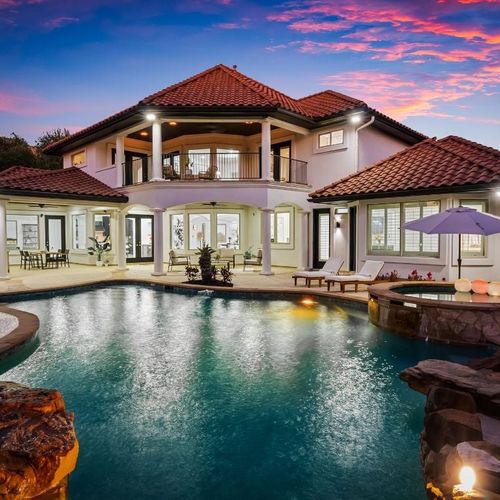
Northwest Hills homes with large window walls or strategically placed windows can take advantage of the area's elevation and natural setting.
But bigger isn't always better.
Large west-facing windows can introduce significant afternoon heat.
Windows without appropriate shading can create glare.
Older windows may allow substantial heat transfer.
And a huge window looking directly into a neighbor's house may provide light without providing privacy.
The best window is one that accomplishes several things at once.
How does orientation affect natural light?
This is one of the most important things buyers should pay attention to during a showing.
The direction a room faces affects when and how much light enters.
East-facing rooms
These generally receive stronger morning light.
That can be particularly pleasant in bedrooms, breakfast areas, and morning living spaces.
South-facing rooms
These can receive substantial daylight throughout the day, although trees, roof overhangs, and other structures affect the actual experience.
West-facing rooms
These can receive strong afternoon and evening sunlight.
That can create beautiful sunsets, but it can also bring heat and glare into the house.
North-facing rooms
These generally receive more consistent, softer daylight rather than strong direct sunlight.
None of these orientations is automatically better.
It depends on the room and how you use it.
Should buyers visit the home at different times of day?
If natural light is important to you, yes.
A home can look completely different at 9 a.m. versus 4 p.m.
During a showing, pay attention to:
Which rooms receive direct sunlight
Which rooms remain dark
Where afternoon glare appears
Whether trees block the windows
How much light reaches the kitchen
Whether the primary bedroom gets morning or afternoon light
How the backyard looks at different times
If you're particularly sensitive to light, don't make the decision based on one midday showing.
A home that feels perfect at noon could feel very different when the western sun hits the main living room.
Can a home have too much natural light?
Definitely.
This is an important point.
More light isn't always better.
Too much direct sunlight can lead to:
Heat buildup
Glare
Faded furniture and flooring
Uncomfortable rooms
Higher cooling demands
This is particularly relevant in Austin.
A well-designed home manages sunlight instead of simply maximizing it.
Features such as:
Deep roof overhangs
Covered patios
Exterior shades
Interior shades
Quality window glazing
Thoughtful landscaping
Appropriately placed trees
can help control how much direct sun reaches the interior.
In Northwest Hills, mature trees can naturally perform some of this work while also creating privacy.
How important are windows when buying an older Northwest Hills home?
Very.
Many Northwest Hills homes were built decades ago, and window condition can vary significantly from one property to another.
Buyers should look beyond whether the windows look attractive.
Pay attention to:
Age
Condition
Operation
Drafts
Seal failure
Condensation
Single- versus double-pane construction
Window orientation
Shading
Energy performance
A home may have beautiful original windows that contribute significantly to its character.
That doesn't necessarily mean you should replace them.
But you should understand their condition and how they affect comfort.
Window upgrades can also be expensive, particularly when a home has many large openings or custom-sized windows.
Can natural light increase the value of a Northwest Hills home?
It can contribute to buyer appeal, but I wouldn't treat natural light as a standalone dollar adjustment.
That's because light usually interacts with other features.
For example, a bright home may also have:
A great view
A good floor plan
Large windows
High ceilings
A strong indoor-outdoor connection
An elevated lot
It becomes difficult to separate the value of the light from the value of the entire setting.
That's why I would be cautious about saying something like, "This house has 20% more natural light, so it is worth 20% more."
Real estate doesn't work that way.
Instead, natural light can help determine which home buyers prefer when they are comparing otherwise similar properties.
And preference affects demand.
Is natural light more important than a remodeled kitchen?
That's the wrong comparison.
Both matter, but they affect the buyer differently.
A remodeled kitchen is tangible.
You can see the cabinets, countertops, appliances, and fixtures.
Natural light affects the entire experience of the house.
A kitchen with dated finishes can be remodeled.
A poorly positioned house with limited daylight may be much harder to change.
This is one reason buyers should think about what can and cannot be changed.
If the house has an outdated kitchen but great windows, views, privacy, and a strong lot, that may be an opportunity.
If the kitchen is beautiful but the house is dark, the buyer needs to decide how much that matters to them.
Do buyers prefer light-filled homes with views?
Often, yes.
This is where several desirable Northwest Hills characteristics come together.
Elevation can create:
Better views
Greater privacy
More natural light
Stronger sightlines
Better indoor-outdoor connections
Hillside properties can take advantage of windows positioned toward open space, tree canopies, and distant views. Local Northwest Hills guidance specifically notes that elevation can contribute to both views and natural light.
That combination can be particularly compelling.
Imagine a living room where you can see mature trees, sky, and a Hill Country view through a large window wall.
The window isn't valuable simply because it is large.
It is valuable because it frames something worth looking at.
What about privacy?
This is where Northwest Hills gets interesting.
Buyers want natural light.
They also want privacy.
Those goals can sometimes conflict.
Large windows facing a neighboring property may provide plenty of daylight but very little privacy.
A mature tree canopy may block some direct light while creating a much more private setting.
An elevated lot can sometimes solve both problems by allowing windows to look outward over neighboring homes rather than directly into them.
The best properties find a balance.
You want to see trees, sky, views, and your own yard—not necessarily your neighbor's kitchen.
Does the floor plan affect natural light?
A lot.
Windows alone don't determine whether a house feels bright.
The interior layout matters too.
A home with a series of small, enclosed rooms can prevent light from moving through the house.
A more open plan can allow daylight from one side of the property to reach deeper into the interior.
That doesn't mean every Northwest Hills home needs to become completely open concept.
Instead, look for:
Sightlines between rooms
Interior glass
Wider openings
Higher ceilings
Clerestory windows
Skylights where appropriate
Well-placed interior windows
Connections between living spaces and outdoor areas
Some of the neighborhood's mid-century and contemporary homes were specifically designed around large windows and relationships with the landscape.
Are skylights a good way to add light?
They can be.
Skylights can bring daylight into parts of a home that don't have practical exterior windows.
But they aren't automatically an improvement.
Buyers should consider:
Age
Installation quality
Sealing
Heat gain
Potential leaks
Placement
Maintenance
A skylight that adds beautiful light to a hallway can be useful.
A poorly installed skylight that creates heat and water-intrusion concerns is a different story.
As with most older-home improvements, the question isn't simply whether the feature exists.
It's how well it was done and what condition it is in.
What should sellers do if a Northwest Hills home feels dark?
Start with the simplest solutions.
Before considering major construction, look at:
Window coverings
Furniture placement
Wall colors
Landscaping
Trim
Light fixtures
Window cleaning
Overgrown vegetation
Interior staging
Sometimes a room feels dark because heavy furniture or curtains are blocking the available daylight.
Other times, landscaping may be covering windows.
A seller should also be careful about removing mature trees simply to increase light.
Those trees may be providing privacy, shade, character, and value.
The goal should be to improve the balance, not eliminate what makes the property special.
Should sellers replace windows before listing?
Not automatically.
Window replacement can be expensive, and the return depends heavily on the property.
If windows are damaged, difficult to operate, visibly failing, or creating obvious comfort problems, addressing them may make sense.
But if the windows are functional and contribute to the architectural character of the house, replacing them purely because they are older may not be the best use of the seller's money.
This is another situation where I would evaluate the entire property before deciding.
How should buyers evaluate natural light during a showing?
I recommend making it part of your inspection routine.
Walk into each major room and ask:
Where is the light coming from?
Then ask:
Where will the light be at 8 a.m., noon, and 4 p.m.?
Look outside the windows.
Don't just look at the glass.
Look at what is beyond it.
Is there:
A tree canopy?
Another house?
Open sky?
A hill?
A view?
A privacy fence?
A future development concern?
Then look at the ceiling.
Higher ceilings can change how a room feels even when the window area is relatively modest.
Finally, look at the relationship between the windows and the floor plan.
Does the daylight reach the places where your family actually spends time?
What are the biggest natural-light mistakes buyers make?
Only touring at one time of day
Light changes.
Looking only at the windows
The view beyond the windows matters just as much.
Ignoring afternoon heat
A bright west-facing room can become uncomfortable without proper shading.
Assuming more windows are always better
Window placement and performance matter more than raw quantity.
Ignoring mature trees
Trees can provide shade and privacy but also reduce daylight.
Focusing on finishes instead of how the home feels
Paint and countertops can distract buyers from the basic experience of the house.
Assuming a dark room can easily be fixed
Sometimes it can.
Sometimes adding windows requires structural work, electrical changes, exterior modifications, or significant expense.
So, how important is natural light in Northwest Hills homes?
I would put it in the category of highly desirable rather than universally non-negotiable.
Some buyers will pay a meaningful premium for a bright, open home.
Others will prioritize privacy, mature trees, views, location, or a particular floor plan.
But natural light becomes particularly powerful when it works together with the things that already make Northwest Hills desirable.
A home with large windows, mature trees, privacy, elevation, views, and a thoughtful floor plan can feel very special.
And that is the key.
The goal isn't simply to maximize sunlight.
It is to create a home where light, views, privacy, shade, and architecture work together.
For buyers, that means looking beyond the finishes.
For sellers, it means understanding that natural light is part of how buyers experience the entire property—not simply another item on a feature sheet.
In Northwest Hills, the best homes often don't choose between light and trees, or views and privacy.
They find a way to use the lot to create all of them.
#NorthwestHills #JamesLucas
Frequently Asked Questions
Is natural light important when buying a Northwest Hills home?
Yes. Natural light can make rooms feel larger, more comfortable, and more connected to the outdoors. It is especially valuable when combined with views, mature trees, and a good floor plan.
Do mature trees make Northwest Hills homes too dark?
Not necessarily. Mature trees can reduce direct sunlight, but they also provide shade, privacy, and character. The best properties balance tree coverage with well-placed windows and usable daylight.
Which direction is best for natural light?
There isn't one universally best orientation. East-facing rooms can receive pleasant morning light, south-facing rooms can receive substantial daylight, west-facing rooms can get strong afternoon light, and north-facing rooms often receive softer, more consistent light.
Should I buy a home with large windows?
Large windows can be a significant advantage, especially when they frame views or connect the house to the yard. Buyers should also evaluate heat gain, glare, privacy, window condition, and energy efficiency.
Can natural light increase Northwest Hills home value?
Natural light can increase buyer appeal and help a home stand out against comparable properties. However, it is usually part of a larger value equation that includes the lot, views, privacy, layout, condition, and location.
Are skylights worth adding to an older Northwest Hills home?
They can be, particularly in rooms where traditional windows aren't practical. However, installation quality, age, heat gain, and potential water intrusion should all be considered.
Should I replace older windows before selling?
Not automatically. Window replacement can be expensive. The decision should depend on condition, performance, architectural character, comparable properties, and the likely return on the investment.
How can I tell if a Northwest Hills home gets enough natural light?
Tour it at different times of day if possible. Look at window orientation, surrounding trees, neighboring homes, ceiling height, room layout, and how much daylight reaches the spaces you use most.
Check out this article next