
At a Glance
Luxury in Northwest Hills is street-driven, not subdivision-driven
The best streets balance views, privacy, elevation, and remodel quality
Cat Mountain holds the strongest concentration of hillside luxury homes
Chimney Corners and Courtyard areas offer quiet, established premium pockets
Price and prestige vary block-to-block more than most Austin neighborhoods
Northwest Hills doesn’t do luxury the way newer Austin developments do it.
No gates. No uniform estates. No identical “luxury packages.”
Instead, luxury here is scattered — almost hidden — along ridgelines, tucked into cul-de-sacs, and layered into older streets where terrain and trees quietly do the work.
It’s less about branding.
More about placement.
And in 2026, that’s exactly what keeps these streets in demand.
What defines a “luxury street” in Northwest Hills?
In this neighborhood, luxury isn’t just square footage.
It shows up in four things:
Elevation and views (downtown, Hill Country, or layered treetop outlooks)
Privacy from trees and lot spacing
Quality of remodel or rebuild
Street reputation and traffic pattern (or lack of it)
You can have a $1.2M home on an average street and a $2.5M home two turns away that feels completely different.
That’s Northwest Hills.
It rewards people who know where to look.
Cat Mountain: the quiet heavyweight of luxury streets
If Northwest Hills has a “luxury core,” it’s the hillside pocket of Cat Mountain.
This area sits higher, steeper, and more layered than most surrounding streets — which is exactly why it commands premium pricing.
Homes here often feature:
Multi-level architecture following the slope
Large windows oriented toward views
Deep setback lots with heavy tree coverage
Remodels or full rebuilds replacing original 1970s structures
It’s not unusual to see homes approaching or exceeding the $2M+ range depending on rebuild quality and position.
But the real value isn’t just inside the house.
It’s what the house sits on.
That’s the difference.
What streets inside Cat Mountain stand out?
While luxury in Cat Mountain is distributed, buyers consistently gravitate toward:
Ridge and elevation-driven streets
These are the areas where:
Downtown skyline views appear in pockets
Homes step down the hillside in layers
Privacy increases with elevation changes
This is where “Austin view living” still exists without downtown density.
Cul-de-sac pockets
Luxury buyers often prefer:
Low traffic
Quiet turnarounds
More controlled access feel without gates
It’s subtle, but it changes daily life.
View-oriented rebuild corridors
Some streets have seen waves of teardown-and-rebuild activity, creating:
Modern architecture next to older homes
Higher average price per square foot
More consistent luxury presence block-by-block
This is where the neighborhood feels most “current” without losing its original terrain character.
Chimney Corners: established, quiet luxury
The Chimney Corners area is a different kind of luxury.
Less dramatic. More grounded.
This pocket is known for:
Larger lots with flatter terrain than hillside sections
Strong remodel history
Quiet interior streets with minimal through traffic
A more traditional Northwest Hills feel
Luxury here shows up as restraint rather than spectacle.
Homes are often:
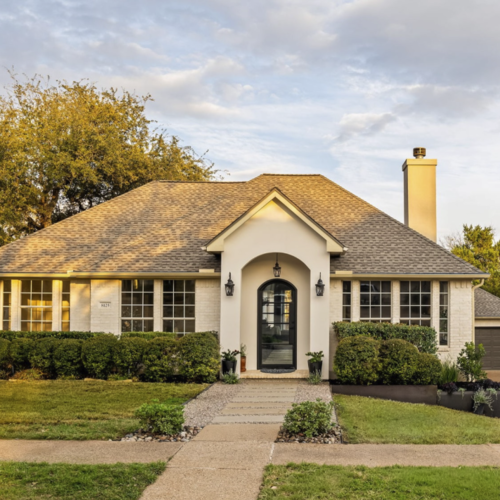
Fully updated ranch-style or transitional designs
Single-story or expanded layouts
Focused on livability more than architectural drama
This is where buyers go when they want Northwest Hills without steep terrain.
It’s calm luxury.
Not loud luxury.
Courtyard-area streets: hidden premium living
The Courtyard section — including pockets within the broader Northwest Hills / Far West corridor — behaves differently from hillside zones.
Here, luxury shows up in:
Planned community design
Consistent architectural rhythm
HOA-maintained surroundings
Strong lock-and-leave appeal
It’s not the same hillside privacy story as Cat Mountain.
It’s more structured.
But still premium.
Buyers here tend to value:
Convenience over elevation
Consistency over architectural variety
Lower maintenance living within a central location
That makes it a steady luxury segment even when broader market conditions shift.
Far West Boulevard influence zone
Along and near Far West Boulevard, luxury becomes more situational.
You’ll find:
Updated homes mixed with original builds
Proximity to retail and daily services
Higher walkability potential than hillside streets
Strong demand for renovated properties
But here’s the reality:
Luxury here is defined by what’s been done to the home, not just where it sits.
A fully renovated property on Far West can compete with hillside homes — but only if the rebuild is done right.
There’s no hiding in this corridor.
Everything shows.
Where are the most expensive homes actually clustering?
In 2026, luxury pricing in Northwest Hills tends to concentrate in three patterns:
1. Rebuilt hillside homes
$1.8M–$3M+ range
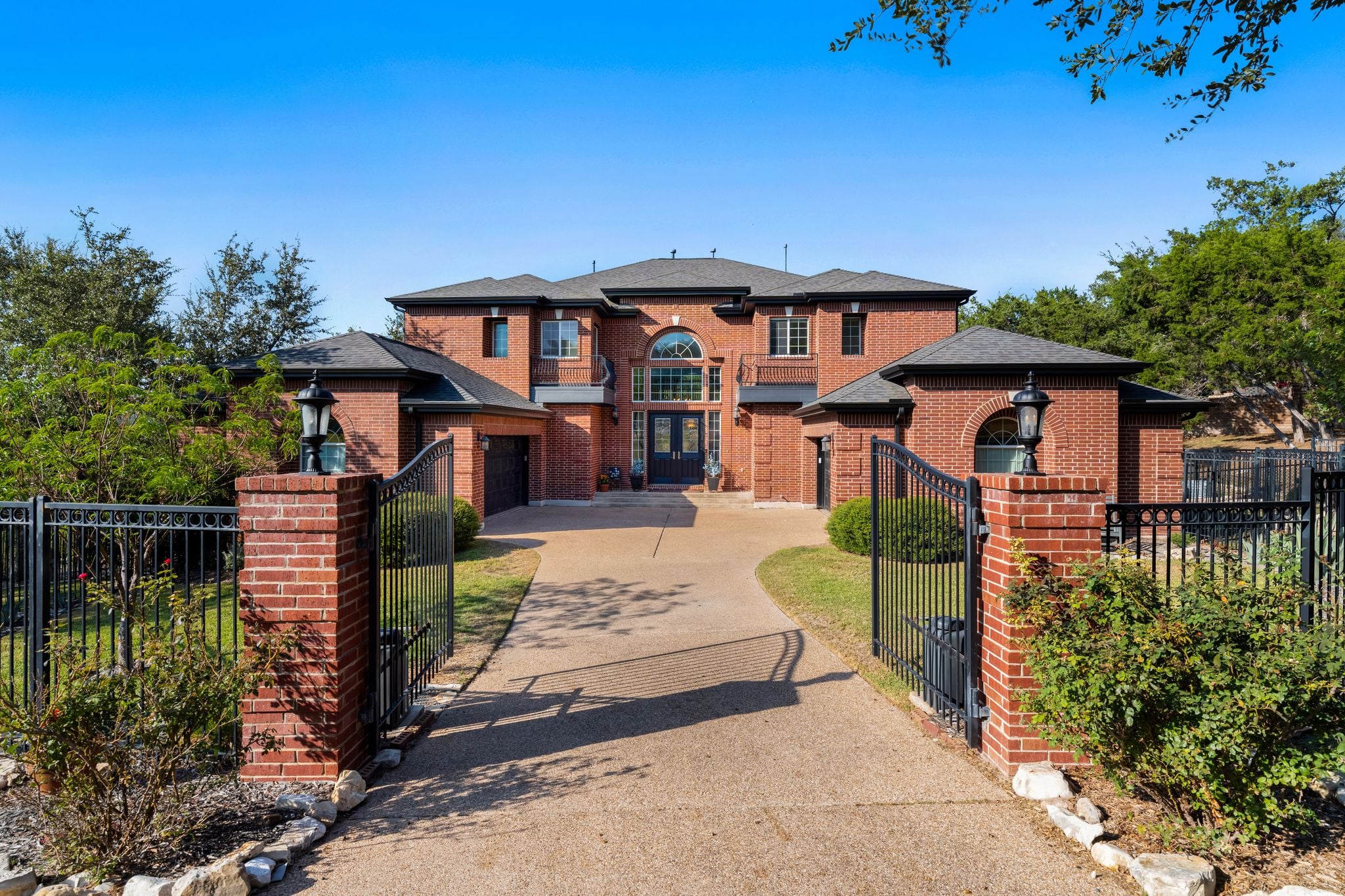
New construction or full structural rebuilds
Strong view orientation
Highest price per square foot variability
2. Deep remodel estates on quiet streets
$1.3M–$2M range
Larger original homes fully modernized
Better lots and privacy positioning
Strong long-term ownership patterns
3. Established premium pockets near central corridors
$1M–$1.6M range
High-quality remodels in stable streets
Less dramatic terrain, more livability focus
Strong demand from relocation buyers
Why street selection matters more than price
This is where Northwest Hills differs from newer luxury suburbs.
You can’t just say:
“I want a $2M home in Northwest Hills.”
You also have to ask:
“Which street is it on?”
Because two homes at the same price can feel like different neighborhoods:
One elevated with privacy and views
One flat with traffic exposure and dated rebuilds
One fully modern
One partially updated
The street is part of the asset here.
Not just the house.
That’s old Austin logic still alive.
What luxury buyers tend to prioritize here
Across all these pockets, consistent buyer behavior shows up:
Quiet streets over flashy entrances
Trees over open sightlines
Remodel quality over raw size
Privacy over amenity density
Central access over suburban separation
And maybe most importantly:
They want stability.
Not rotation.
Northwest Hills delivers that better than most central Austin neighborhoods still can.
The tradeoff nobody talks about
Luxury here is not uniform.
It requires:
More due diligence
More inspection awareness
More understanding of hillside construction
More attention to remodel quality gaps
You’re not buying into a packaged product.
You’re evaluating a landscape.
That’s part of the charm — and part of the risk.
Questions buyers ask most often
What is the most expensive area in Northwest Hills?
Hillside sections of Cat Mountain typically command the highest prices due to elevation and view premiums.
Are Chimney Corners homes considered luxury?
Yes, especially when fully remodeled, but the luxury is more understated and lot-driven than view-driven.
Is Far West Boulevard a luxury street?
It can be, but only for fully renovated homes with strong positioning and privacy buffers.
Do luxury homes here hold value well?
Yes, primarily due to central Austin location and limited land availability.
Is new construction common?
It’s increasing, especially in teardown pockets on hillside lots.
Final thoughts
Luxury in Northwest Hills doesn’t sit in one place.
It threads through the neighborhood — up hillsides, across quiet cul-de-sacs, and along older streets that have been carefully rewritten over time.
Some homes chase views.
Some chase quiet.
Some chase convenience.
The best streets here manage to hold a bit of all three.
And in 2026, that balance is exactly why Northwest Hills still quietly competes with some of Austin’s most expensive neighborhoods — without ever needing to act like it.
#NWHills
Check out this article next