
At a Glance
Most Northwest Hills homes cluster around a median near the $750K–$900K range, with clear stratification above that
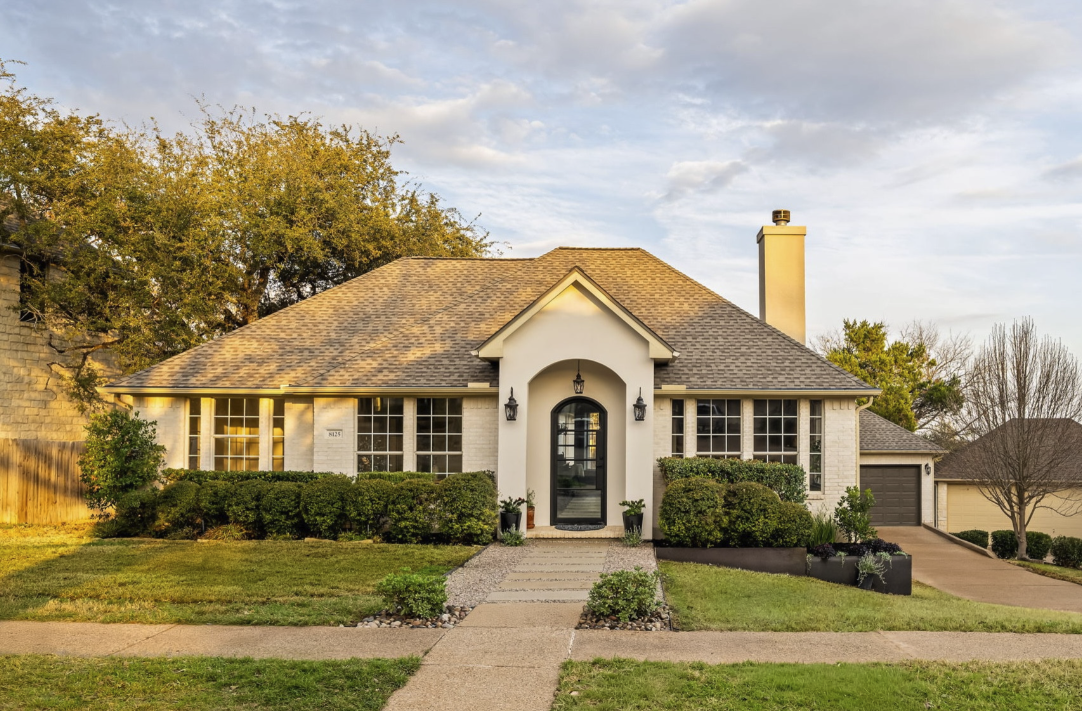
$800K–$1M = original homes, light updates, and entry-level “central Austin” positioning
$1M–$1.5M = fully remodeled or expanded homes on better lots
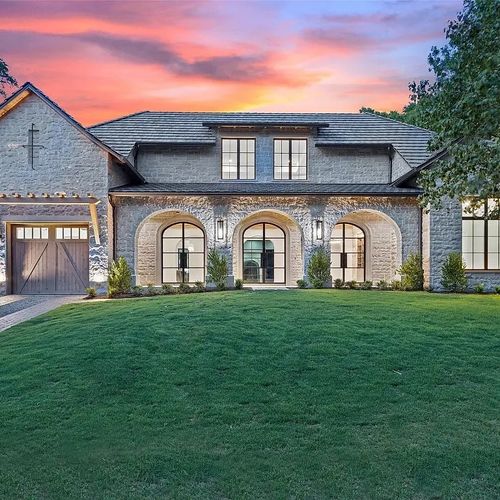
$1.5M–$2M = teardown rebuilds, new construction, and premium hillside or view properties
Value is driven more by location, lot, and remodel quality than raw square footage
Northwest Hills pricing doesn’t move like a brand-new suburb.
There’s no clean “everything is the same” structure here.
Instead, it behaves like an old, layered city neighborhood that’s been reworked over time—house by house, decade by decade.
That’s why $800K and $2M can exist in the same ZIP code… and feel like completely different worlds.
Let’s break it down the way buyers actually experience it on the ground.
What does $800K get you in Northwest Hills?
At the entry point of the neighborhood’s core pricing band, you’re usually looking at one of three things:
1. Original homes with updates in progress
Think:
1970s–1980s construction
Functional layouts, but dated finishes
Partial renovations (kitchens or baths updated, but not everything)
Older systems depending on maintenance history
You’re buying location first, then dealing with condition second.
These homes are often the “entry ticket” into central Northwest Hills.
2. Smaller floor plans on average lots
At this price point, you’ll commonly see:
1,800–2,400 sq ft range
3-bed, 2-bath layouts
Modest expansions or original footprints
Sloped lots or less premium street positioning
It’s not small, but it’s not stretched either.
The trade is simple: you’re paying for the zip code, not the newest house.
3. Condo and townhome options (select pockets)
In some sections near Far West or Chimney Corners, you’ll find attached housing:
Lower entry pricing
More HOA structure
Less maintenance burden
Strong rental or lock-and-leave appeal
This is the most “accessible” way into the neighborhood.
What changes at $900K–$1.2M?
This is where Northwest Hills starts to feel more balanced.
You begin seeing:
Heavily renovated homes
Better street positioning
Larger or more usable lots
More modern interior finishes
Median pricing trends across the neighborhood cluster right around this zone, with many single-family homes selling near or slightly above $1M depending on condition.
At this level, buyers usually fall into two categories:
People upgrading into central Austin
Relocation buyers wanting “move-in ready” without teardown risk
This is also where competition tightens again.
Not frenzy-level. Just selective.
What does $1M–$1.5M get you?
This is the real “Northwest Hills sweet spot” right now.
At this level, you typically get:
Fully remodeled homes
Open floor plans
Updated kitchens and baths throughout
Newer HVAC, roof, and systems in many cases
More intentional design rather than patchwork updates
Expanded floor plans
2,400–3,200+ sq ft range
Added bedrooms or flex spaces
Better flow for modern living
Better lots and street quality
This is where subtle differences matter:
Quieter streets
Better privacy separation
Improved elevation or views in some pockets
More desirable micro-locations within the neighborhood
This tier is where buyers stop thinking “fixer” and start thinking “settled.”
What does $1.5M–$2M get you?
Now we’re into the top end of Northwest Hills.
And it’s a different category entirely.
1. New construction or full teardowns
A lot of homes here are:
Completely rebuilt
Or brand-new on older lots
Designed for modern Austin luxury standards
Expect:
3,200–5,000+ sq ft homes
Clean architectural lines
High-end finishes
Energy efficiency upgrades
Contemporary layouts
This is where builders have redefined older parcels.
2. Premium hillside and view lots
In areas like Cat Mountain and surrounding slopes, pricing is driven by:
Elevation
Privacy
Tree canopy
Occasional long-range views
These homes don’t compete on square footage alone.
They compete on setting.
And in Northwest Hills, setting is everything.
3. True “forever home” positioning
At this level, buyers are usually saying:
“We’re not moving again anytime soon”
“We want central Austin, but with space and privacy”
“We’re paying for location permanence, not novelty”
That mindset is what pushes pricing into the upper band.
Why prices vary so much in one neighborhood
Northwest Hills isn’t uniform.
It behaves more like a patchwork of micro-markets:
Original 1970s homes
Heavy remodel corridors
Steep hillside rebuild zones
Quiet interior streets with premium demand pockets
Even within the same few blocks, value can shift dramatically.
That’s why two homes can look similar online but feel completely different in person.
One is “update opportunity.”
The other is “already solved.”
What’s actually driving demand in 2026?
Three forces are holding this price structure together:
1. Central location scarcity
You’re close to:
Downtown Austin
UT Austin
The Domain
Major employment corridors
There’s no new land supply replacing it.
2. Remodel economics
A growing share of value now comes from:
Renovation quality
System upgrades
Builder tear-down cycles
The neighborhood is constantly being re-priced through construction.
3. Long-term ownership behavior
People don’t cycle out quickly here.
That creates:
Low inventory turnover
Steady demand pressure
Fewer “cheap entry” opportunities over time
The tradeoffs buyers don’t always expect
Northwest Hills looks simple on paper.
It isn’t.
Older homes = hidden variance
Two homes at $950K can have:
Completely different system lifespans
Different foundation histories
Different renovation depth
Hillside living is real
Some areas come with:
Slopes
Drainage considerations
Elevation-driven maintenance differences
Beautiful? Yes. Flat? Not even close.
You’re paying for central Austin proximity
Not amenities.
Not brand-new infrastructure.
Not uniformity.
Location is the product here.
Everything else is secondary.
So what’s the real takeaway?
Northwest Hills pricing isn’t random.
It’s layered:
$800K = entry point into location
$1M–$1.5M = stabilized, updated living
$1.5M–$2M = rebuilt or premium-positioned homes
And the gap between tiers isn’t just finishes.
It’s certainty.
The higher you go, the less you have to “figure out later.”
Questions buyers usually ask
Is $800K still enough to buy in Northwest Hills?
Yes, but expect original condition homes or smaller floor plans depending on location.
Are $2M homes overbuilt for the area?
Not necessarily. Many are rebuilds optimized for modern demand rather than size alone.
What’s the best value range?
Typically $1M–$1.3M for fully updated homes in strong locations.
Do prices vary street by street?
Yes—significantly. Lot position and remodel quality matter as much as square footage.
Is Northwest Hills still appreciating?
It’s more stable than speculative. Value is driven by scarcity and central location, not rapid spikes.
Final thoughts
Northwest Hills isn’t a neighborhood you “shop.”
It’s one you decode.
Every price tier tells a different story about age, renovation, and position inside the hillside fabric of central Austin.
At $800K, you’re getting in.
At $2M, you’re buying certainty.
And everything in between is just the long middle ground where Austin quietly reworks itself house by house.
#NWHills
Check out this article next