

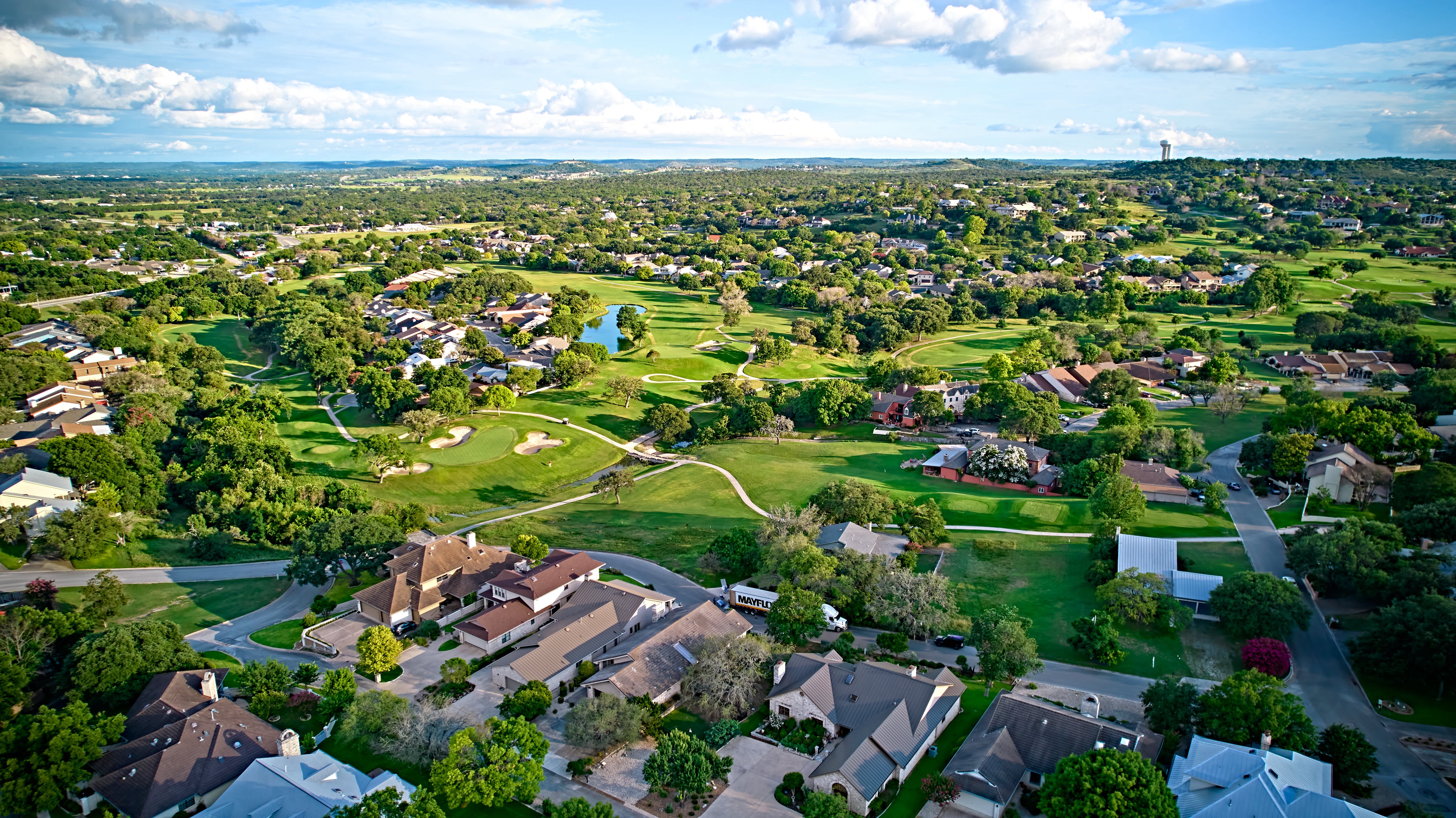
At a Glance
Northwest Hills = Central Austin living, older homes, mature trees, shorter commute times.
Steiner Ranch = master-planned community, newer homes, more amenities, stronger suburban structure.
Commute favors Northwest Hills for downtown workers; Steiner Ranch favors those working west or hybrid schedules.
Schools are strong in both areas but fall under different districts and community structures.
The “better” choice depends less on price and more on lifestyle rhythm and daily priorities.
This comparison comes up constantly.
And honestly, it makes sense. These two neighborhoods get grouped together by buyers who are trying to solve the same problem:
“I want a high-quality Austin home, but I don’t want to get this wrong.”
Northwest Hills and Steiner Ranch both deliver strong versions of that answer — just in very different directions.
One is older Austin. Layered. Central. Quiet in a natural, unengineered way.
The other is newer Austin. Planned. Structured. Designed for modern suburban living.
Neither is universally better.
But they do attract very different instincts.
Let’s break it down without the marketing gloss.
Where are you actually living in each area?
Northwest Hills = Central Austin hillside neighborhood
Northwest Hills sits just northwest of downtown Austin, carved into rolling terrain with mature oak trees, older custom homes, and winding residential streets.
It’s not a master-planned community. It’s a developed neighborhood that grew into itself over time.
You’ll find:
1970s–2000s homes mixed with remodels
Larger trees than almost anywhere in central Austin
Streets that follow terrain instead of grids
Quick access to downtown, UT, and central employment hubs
It feels like Austin before Austin got loud.
Steiner Ranch = planned Hill Country community
Steiner Ranch sits farther west along Lake Austin and Lake Travis, built as a master-planned residential community with neighborhoods, amenities, and schools intentionally designed together.
You’ll find:
Newer construction (mostly 2000s–2020s)
Consistent architectural styles
Amenity centers, pools, trails, parks
Larger master-planned structure
More suburban layout and separation from downtown
It feels like Austin expanded outward and designed a new town on purpose.
How do commute times compare?
Northwest Hills commute
Downtown Austin: ~12–25 minutes
Domain / North Austin tech corridor: ~10–20 minutes
UT Austin: ~10–15 minutes
Main advantage: proximity and flexibility.
Main route: MoPac (Loop 1)
It’s one of the most centrally connected residential zones in the city.
Steiner Ranch commute
Downtown Austin: ~30–55+ minutes depending on traffic
Domain: ~25–45 minutes
Lake Travis area: very close
Main advantage: access to Hill Country and lake lifestyle
Main constraint: distance during peak commute hours
Steiner Ranch is more sensitive to timing and traffic windows.
What kind of homes do you get?
Northwest Hills homes
You’re mostly buying:
Older, larger-lot homes or remodeled properties
Custom builds with varied architecture
Sloped or hillside terrain in many sections
More organic neighborhood evolution
Strength: character + location
Tradeoff: older systems in some homes, hillside maintenance considerations
Steiner Ranch homes
You’re mostly buying:
Newer construction and modern floor plans
HOA-regulated consistency
Larger square footage for price point
More standardized lot layouts
Strength: newer builds + amenities
Tradeoff: less architectural individuality, longer commute
Schools: how do they compare?
Northwest Hills
Primarily served by Austin Independent School District.
Strengths:
Strong central school access in select campuses
Proximity to private school options
Established academic pathways
Steiner Ranch
Primarily served by Leander Independent School District.
Strengths:
Highly regarded suburban district reputation
Structured feeder patterns
Strong community involvement
This is one of the biggest decision points for families — not just ratings, but style of schooling experience.
AISD tends to feel more urban and diverse in structure.
Leander ISD tends to feel more suburban and systemized.
Lifestyle difference: what does daily life feel like?
Northwest Hills lifestyle
This is:
Mature trees instead of open developments
Short drives instead of long errands
Older Austin rhythm
Less HOA presence in many areas
Quiet streets without feeling isolated
It’s the “stay close, live calm” lifestyle.
You feel connected to the city without being inside its intensity.
Steiner Ranch lifestyle
This is:
Amenity-driven community living
Pools, parks, trails, organized events
More structured neighborhood identity
Family-oriented master planning
More separation from central Austin noise
It’s the “everything inside the bubble” lifestyle.
You don’t need to leave the neighborhood often — and many don’t.
Privacy, space, and feel
Northwest Hills
Privacy comes from:
Trees
Elevation changes
Lot spacing
Winding streets
It feels natural and unplanned — which is part of the appeal.
Some of the most private homes sit quietly on hillside streets in areas like Cat Mountain, where terrain does half the work.
Steiner Ranch
Privacy comes from:
HOA design
Setbacks
Planned lot layouts
It’s more consistent, but less organic.
You get structure. Northwest Hills gives you character.
Which holds value better?
Both are strong, but for different reasons.
Northwest Hills value drivers:
Central location
Limited land supply
Older established demand
Remodel potential
Steiner Ranch value drivers:
Newer housing stock
Master-planned consistency
Strong amenity appeal
Family migration trends
In simple terms:
Northwest Hills = scarcity + location premium
Steiner Ranch = lifestyle + newer inventory premium
So… which is better?
This is where most comparisons go wrong.
There is no universal winner here.
It comes down to a single question:
Do you want Austin close to you… or a community built around you?
If you want:
Short commutes
Older trees and established streets
Central Austin access
More architectural variety
Northwest Hills is the better fit.
If you want:
Master-planned amenities
Newer homes
More suburban structure
Lake access lifestyle nearby
Steiner Ranch wins.
Questions buyers always ask
Is Northwest Hills more expensive than Steiner Ranch?
Often yes on a per-square-foot basis, mainly due to central location and lot scarcity.
Which has better schools?
Both are strong, but they fall under different districts with different structures and experiences.
Which is better for commuting downtown?
Northwest Hills is significantly closer and more convenient for downtown workers.
Which feels more “luxury”?
Steiner Ranch feels newer and more uniform; Northwest Hills feels older, quieter, and more character-driven luxury.
Which is better for long-term living?
Depends on preference: proximity vs. planned lifestyle.
Final thoughts
Northwest Hills and Steiner Ranch aren’t competing versions of the same thing.
They’re two different answers to two different lives.
One is rooted in central Austin’s past — trees, terrain, and neighborhoods that grew slowly over time.
The other is built from Austin’s expansion — planned, structured, and designed for modern suburban living.
Neither is trying to be the other.
And that’s the point.
The better choice is the one that matches how you actually want your days to feel — not just how the house looks on paper.
#NWHills
Check out this article next