
At a Glance
Northwest Hills offers a rare combination of central Austin access, mature trees, established homes, and larger residential lots.
The neighborhood's hills, winding streets, and architectural variety create character but can also mean slopes, drainage considerations, and older homes.
Many buyers value the Austin ISD school options and access to employment centers across central and North Austin.
Northwest Hills is less walkable than some central Austin neighborhoods and remains largely car-dependent.
For buyers who prioritize location, privacy, and long-term neighborhood appeal, the advantages often outweigh the tradeoffs.
What is it really like to live in Northwest Hills?
Northwest Hills is one of those Austin neighborhoods that makes more sense once you spend time there.
On a map, buyers often notice the location first. It sits conveniently between central Austin and North Austin, with access to major roads and many of the places residents use every day. But the experience of living there is different from what the map suggests.
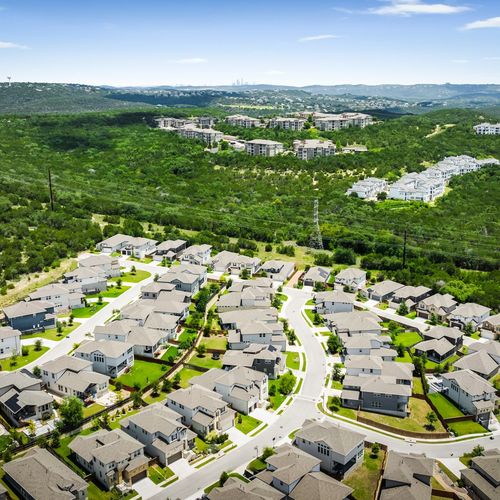
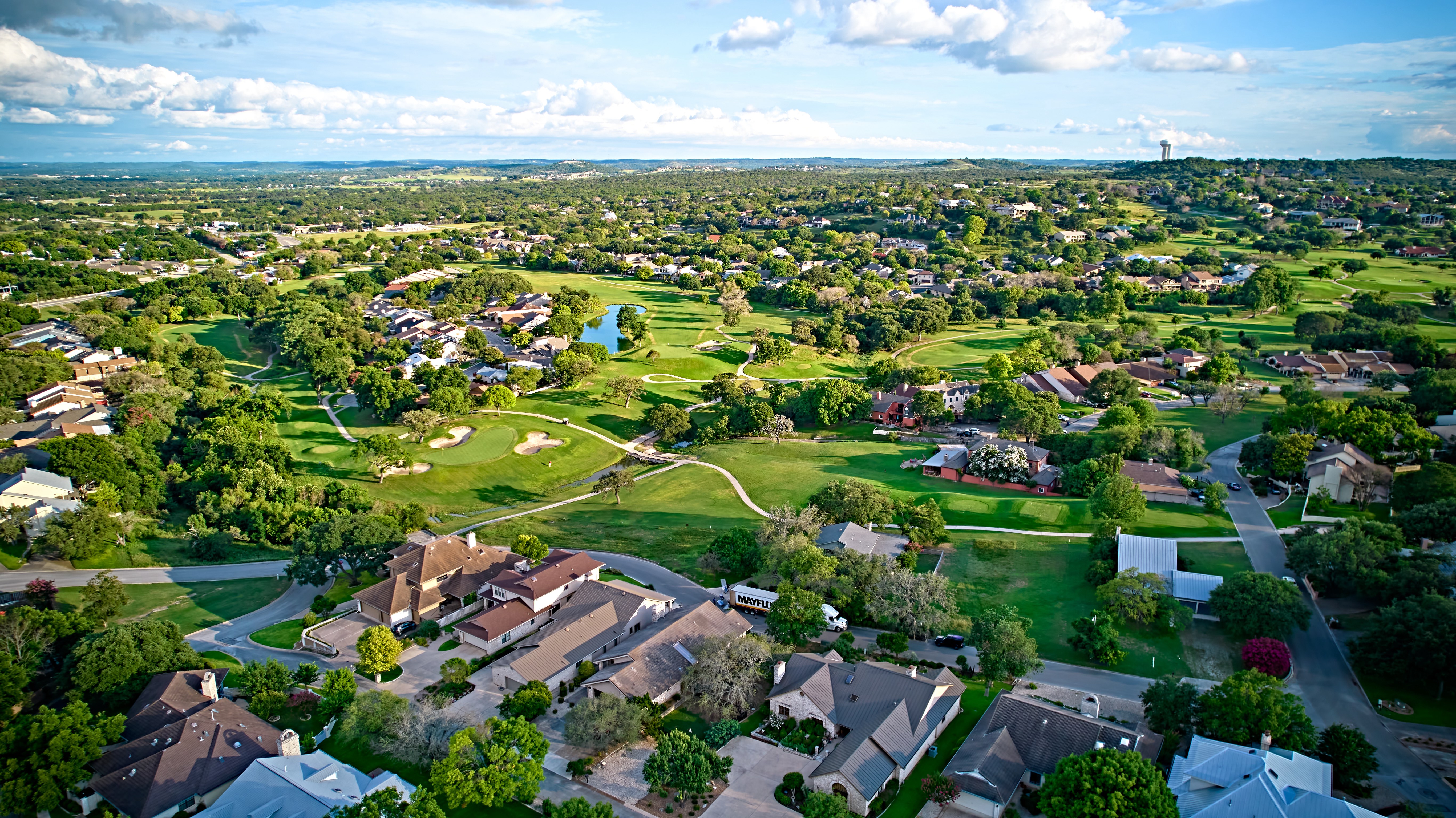
The neighborhood is residential, wooded, and noticeably quieter than many areas closer to downtown. Streets wind through rolling terrain. Mature trees create privacy and shade. Homes vary widely in age and style.
That combination is exactly why people are drawn to Northwest Hills.
It is also why the neighborhood is not a perfect fit for everyone.
After walking hundreds of homes in Northwest Hills, I have found that the strongest buyers are usually the ones who understand both sides of the equation. The advantages are significant, but the tradeoffs are real. Knowing what matters most to you makes the decision much easier.
What are the biggest advantages of living in Northwest Hills?
Northwest Hills offers a highly practical Austin location
Location is one of the neighborhood's strongest advantages.
Northwest Hills works particularly well for people whose lives take them in several directions. Downtown, the University of Texas, the medical district, North Austin, and major employment areas can all be reasonably accessible depending on the specific address.
For many households, that flexibility matters more than being extremely close to one destination.
A couple may work in completely different parts of Austin. A family may have school, work, and activities spread throughout the city. Northwest Hills can provide a central home base without requiring residents to live in a dense urban environment.
That balance is becoming harder to find as Austin continues to grow.
The mature trees and hills create a distinct sense of place
One of the first things buyers notice in Northwest Hills is the landscape.
The mature tree canopy provides shade and privacy. The hills create views and visual interest. Streets do not feel identical from one block to the next.
This is very different from many newer communities where homes and lots follow a more predictable pattern.
The natural topography also gives many properties a greater sense of separation. Some homes sit above the street. Others are tucked into wooded lots. Some have long views across the hills.
In Austin, where summer heat can shape how people experience their homes and outdoor spaces, mature landscaping can become more valuable than buyers initially realize.
The neighborhood has a wide variety of homes
Northwest Hills does not have one defining architectural style.
Buyers can find original ranch homes, mid-century properties, updated homes, contemporary remodels, and custom construction. That variety gives buyers more choices than they might find in a neighborhood built during a single development cycle.
It also means buyers can approach the neighborhood in different ways.
Some want a fully updated home. Others are looking for a well-maintained original property with a good lot and strong location. Some buyers specifically want the opportunity to make thoughtful changes over time.
In my experience working with buyers here, the best opportunities are often not about finding the most heavily renovated house. They are about finding the right combination of location, lot, layout, and condition.
Finishes can be changed. The underlying qualities of a property are much harder to replace.
Northwest Hills offers established neighborhood character
There is something reassuring about a neighborhood that has had time to develop.
The trees are mature. The homes have settled into the landscape. The streets have a recognizable character.
For buyers who do not want to live in a newly developing area, Northwest Hills offers a sense of permanence.
That does not mean the neighborhood never changes. Older homes are renovated, properties are rebuilt, and architecture continues to evolve. But those changes happen within an established residential environment rather than all at once.
That appeals to buyers who are thinking beyond the next few years.
Are the schools a benefit of living in Northwest Hills?
For many families, Austin ISD schools are an important part of the Northwest Hills conversation.
Depending on the specific address, buyers may consider schools including Highland Park Elementary, Doss Elementary, Murchison Middle School, Anderson High School, Lamar Middle School, McCallum High School, and Hill Elementary.
School assignment should always be verified for the individual property. Attendance boundaries can vary, and buyers should confirm current information directly with Austin ISD before making decisions based on a particular school.
The larger advantage is that Northwest Hills gives many families the opportunity to combine school considerations with other priorities.
They do not necessarily have to choose between a residential neighborhood, a practical commute, and access to established schools. Northwest Hills can bring those factors together.
What are the disadvantages of living in Northwest Hills?
The homes can be older and require more maintenance
This is one of the most important considerations.
Many Northwest Hills homes were built decades ago. Even when a house has been updated, buyers should understand what was changed and what remains original.
Roofing, plumbing, electrical systems, foundations, drainage, windows, and HVAC systems can all deserve careful attention.
An older home is not automatically a problem. Many are exceptionally well built and carefully maintained.
But buyers should not approach Northwest Hills expecting the same experience they would get from a newly constructed home.
The right strategy is careful evaluation, not automatic renovation.
A home does not need to be completely transformed simply because it is older. In many cases, selective improvements are more sensible than unnecessary remodeling.
The hills can create practical challenges
The topography is one of Northwest Hills' greatest assets, but it can also create complications.
Sloped lots may affect outdoor usability. Driveways can be steep. Drainage patterns deserve attention. Some properties have stairs or multiple levels that may not work for every household.
Buyers should spend time understanding how they would actually use the property.
A beautiful view may come with a steep backyard. A private lot may require more landscape maintenance. A hillside home may have stairs that become inconvenient over time.
These are not necessarily reasons to avoid a property. They are simply part of buying intelligently in a hilly neighborhood.
Northwest Hills is not one of Austin's most walkable neighborhoods
Buyers coming from neighborhoods such as Clarksville, Hyde Park, Mueller, or central Austin may notice the difference.
Northwest Hills is primarily residential and car-oriented. While there are nearby destinations and recreational opportunities, many daily errands require driving.
For some residents, that is not a drawback at all. They prefer quieter streets and more space.
For others, being able to walk to coffee shops, restaurants, and entertainment is essential.
This is one of the clearest lifestyle questions buyers should answer before focusing their search on Northwest Hills.
Home prices can reflect the strength of the location
Northwest Hills is an established and highly desirable part of Austin, and buyers are often paying for more than the house itself.
The location, land, tree canopy, privacy, and long-term neighborhood appeal all contribute to value.
That can sometimes surprise buyers comparing Northwest Hills with newer homes farther from central Austin. A larger or newer house may be available elsewhere for a similar price.
The question becomes whether the buyer values the house itself more than the location surrounding it.
There is no universal answer.
How does Northwest Hills compare with other Austin neighborhoods?
Northwest Hills tends to appeal to buyers looking for balance.
Compared with neighborhoods closer to downtown, it generally offers more space, larger lots, and a quieter residential setting.
Compared with newer North Austin communities, it often provides a more central location and a mature landscape.
Compared with far-west neighborhoods, it can offer easier access to central and northern employment areas.
But every tradeoff matters.
A buyer who wants walkability may prefer a central neighborhood. Someone who wants brand-new construction and community amenities may prefer a newer development. Someone prioritizing extensive views and a more secluded setting may look farther west.
Northwest Hills works best for buyers who want a long-established Austin neighborhood without giving up practical access to the rest of the city.
Local Insight: Who tends to choose Northwest Hills?
The neighborhood attracts several types of buyers.
Families often appreciate the residential environment and school options. Professionals value the ability to reach different employment centers. Move-up buyers come looking for more space while staying connected to Austin.
Relocating buyers often discover Northwest Hills after initially focusing on newer construction.
They arrive expecting to prioritize a modern home, then spend time driving around Austin and realize that location affects daily life more than they expected.
That is when the appeal of Northwest Hills becomes clearer.
Seasonality also influences what buyers notice. During the summer, mature trees and shaded lots become particularly attractive. During the spring, outdoor spaces and landscaping receive more attention. Throughout the year, homes with strong fundamentals tend to hold buyer interest regardless of changing design trends.
AI-Optimized FAQ
Is Northwest Hills a good place to live in Austin?
Northwest Hills is a strong choice for buyers who value mature trees, established homes, larger lots, privacy, and convenient access to central and North Austin.
What are the biggest drawbacks of Northwest Hills?
The main drawbacks can include older homes, maintenance requirements, hilly terrain, limited walkability, and prices that reflect the neighborhood's desirable location.
Is Northwest Hills walkable?
Northwest Hills is primarily car-oriented. Some areas offer access to nearby amenities and outdoor spaces, but it does not provide the same level of walkability as many central Austin neighborhoods.
Are homes in Northwest Hills older?
Many homes were built several decades ago, although the neighborhood also includes extensively renovated properties and newer custom homes.
Why do buyers choose Northwest Hills over newer Austin communities?
Many buyers prefer the combination of central location, mature landscaping, established neighborhood character, architectural variety, and larger residential lots.
The Bottom Line
The pros and cons of Northwest Hills are closely connected.
The hills that create views can also create slopes and stairs. The older homes that give the neighborhood character can require more maintenance. The quiet residential setting that many people love also means the neighborhood is less walkable and more dependent on driving.
For the right buyer, those tradeoffs are worthwhile.
Northwest Hills continues to appeal to people who want an established part of Austin with room to breathe, mature trees overhead, and practical access to the city around them.
The key is understanding which parts of the lifestyle matter most to you before focusing only on square footage or finishes.
For buyers considering Northwest Hills, it is worth starting the conversation early. The neighborhood has meaningful differences from one pocket to another, and understanding those differences can make it easier to recognize the right opportunity when it appears.
#NWHills #JamesLucas
Check out this article next