

At a Glance
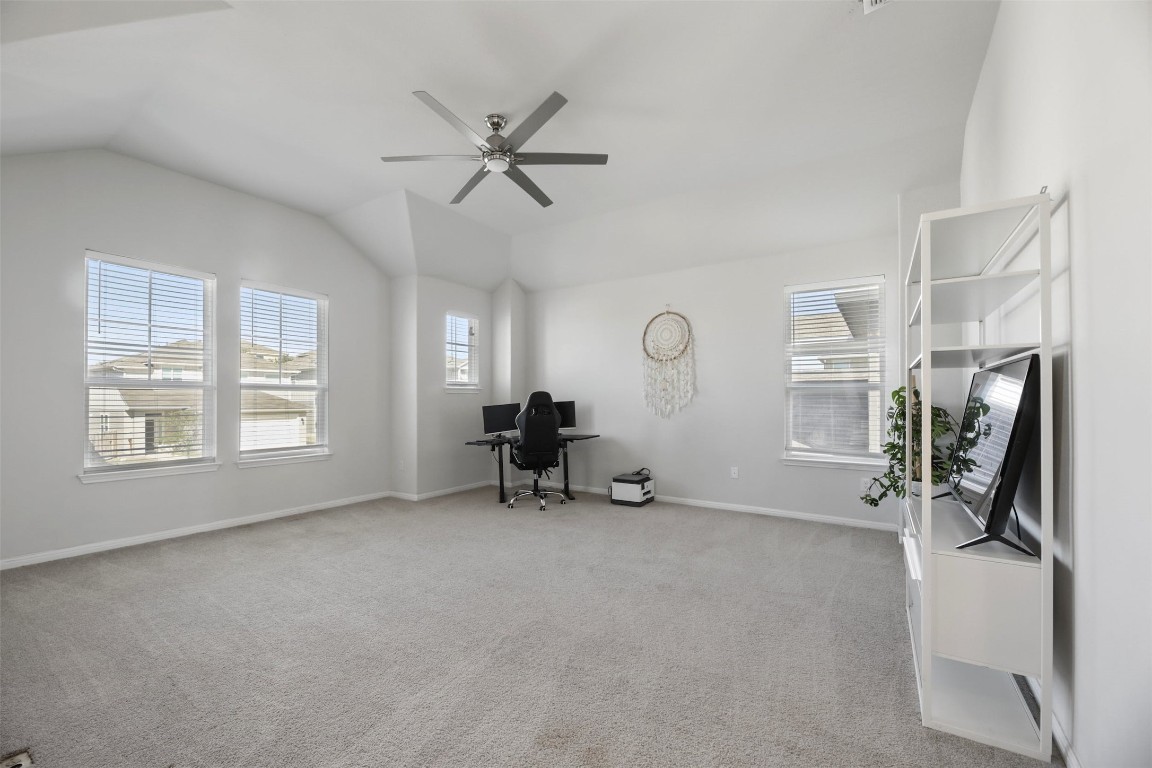
Vacant homes in Northwest Hills tend to feel smaller, colder, and less emotionally grounded to buyers unless intentionally prepared.
Light staging and selective repairs matter more here than full renovations, especially in established neighborhoods like Cat Mountain and Chimney Corners.
Pricing strategy becomes more sensitive without furniture guiding perception of scale and flow.
Small details—lighting, window treatments, and landscaping—carry outsized weight in buyer decision-making.
The goal isn’t to “decorate,” but to restore warmth, scale, and intention to the space.
Why does a vacant home feel harder to sell in Northwest Hills?
There’s a quiet truth in Northwest Hills that doesn’t always get said out loud: empty homes struggle to tell their story.
In neighborhoods like Cat Mountain, Courtyard, and Chimney Corners, buyers are usually stepping into homes with personality already baked in. These aren’t cookie-cutter builds. They’re layered, older, and often remodeled in phases over decades.
When a home is vacant, that history gets muted.
Rooms feel larger but less defined. Echo replaces warmth. And buyers start doing mental math instead of emotional imagining.
The City of Austin’s housing data trends consistently show that presentation influences time on market more heavily in established neighborhoods than in new construction corridors:
That pattern holds especially true here.
What should you fix before listing a vacant home?
Not everything needs fixing—but ignoring the wrong things is expensive.
In Northwest Hills, buyers are quick to notice the details that signal “care” versus “leftover property.”
Focus on these first:
Interior paint touch-ups in neutral, warm tones
Flooring consistency between rooms
Functional lighting in every space (especially dim hallways)
HVAC servicing (buyers in older homes ask immediately)
Roof and drainage awareness, even if only documented
Travis County CAD records often become part of buyer due diligence early in the process:
https://travis.prodigycad.com/
So anything visible—or easily discoverable—should be addressed or documented cleanly.
The mistake I see often is over-improving cosmetic features while ignoring system-level concerns. Buyers in this area tend to reverse that priority.
They care more about what they can’t see than what they can.
Should you stage a vacant home in Northwest Hills?
Short answer: yes—but not the way most people assume.
Staging here isn’t about filling space. It’s about restoring proportion.
In Cat Mountain homes with sweeping Hill Country views, I’ve seen oversized furniture kill the sense of openness. In Courtyard homes, minimal staging sometimes works better because the architecture already carries visual weight.
Effective staging for vacant homes usually includes:
A defined living room set (not oversized)
Simple bedroom framing to show scale
Minimal dining setup to establish flow
Strategic art placement to break blank walls
Warm lighting to offset emptiness
What doesn’t work: over-staging, trendy furniture, or trying to modernize a home that already has architectural character.
There’s a reason buyers here respond better to restraint. The homes already speak. You’re just helping translate.
How does pricing change when the home is vacant?
Vacant homes don’t automatically lose value—but they do lose psychological anchoring.
Without furniture, buyers tend to:
Underestimate room size
Over-focus on imperfections
Compare more aggressively to nearby listings
Spend less time emotionally attaching
That last one matters more than people think.
In Chimney Corners especially, where floor plans vary widely, pricing has to reflect not just square footage but perceived livability.
Northwest Hills buyers are typically comparing against broader AISD-adjacent inventory:
So if your home feels “hard to picture living in,” it often gets priced against easier-to-visualize homes—even if yours is objectively superior.
That’s the quiet pricing gap nobody talks about.
What makes Northwest Hills homes uniquely sensitive to presentation?
There’s a rhythm to this area that newer developments don’t have.
Most homes were built between the 1970s and 1990s. That means:
Split-level layouts
Sunken living rooms
Add-on renovations
Irregular room proportions
Natural light that shifts dramatically by elevation
In Cat Mountain, you’ll see dramatic views that demand restraint inside.
In Courtyard homes, interior courtyards become emotional anchors—but only if staged correctly.
In Chimney Corners, floor plan inconsistency makes flow the most important factor.
These aren’t problems. They’re characteristics.
But vacant, they become harder to read.
That’s why preparation here isn’t cosmetic—it’s interpretive.
What role does landscaping play in a vacant listing?
Outside matters more than most sellers expect.
A vacant home with a strong interior but neglected exterior feels unfinished before a buyer even steps inside.
In Northwest Hills, landscaping signals maintenance history faster than anything else.
Simple adjustments go far:
Fresh mulch and trimmed edges
Pruned native trees (not over-styled landscaping)
Clean walkways and drive approach
Subtle lighting for evening showings
Even the City of Austin emphasizes tree and drainage standards that indirectly influence buyer perception in hillside neighborhoods:
This isn’t about curb appeal in the Instagram sense.
It’s about trust at first glance.
What do buyers actually notice in vacant homes?
Not what sellers expect.
They don’t walk in thinking about finishes first.
They notice:
Echo and sound in rooms
Light quality at different times of day
How long hallways feel
Whether rooms connect logically
If anything feels “off” structurally
In older Northwest Hills homes, buyers are also quietly evaluating renovation potential.
A vacant home removes distraction—which is good—but it also removes guidance.
So every flaw becomes louder.
Every strength becomes harder to see.
That’s the tradeoff.
Should you renovate before selling a vacant home?
Usually, no full renovation.
But selective intervention matters.
In my experience, the highest ROI updates in Northwest Hills are:
Kitchen lighting updates (not full remodels)
Bathroom mirror + fixture refresh
Flooring repair where transitions feel uneven
Paint continuity across mismatched rooms
Full renovations often overcorrect.
Buyers here prefer to adjust homes themselves over time rather than inherit someone else’s vision.
That’s especially true in older sections of the neighborhood where architectural layering is expected.
Q&A: Common questions about selling a vacant home in Northwest Hills
Does a vacant home sell for less in Northwest Hills?
Not inherently. But it can feel worth less if presentation doesn’t help buyers understand scale, flow, and livability.
How long does it take to sell a vacant home here?
It varies, but well-prepared homes tend to move in a similar range as staged homes. Poorly presented vacant homes sit longer—often due to hesitation, not price alone.
Is staging worth it for older Northwest Hills homes?
Yes, but only if it respects the architecture. Over-staging can hurt more than help in neighborhoods like Cat Mountain or Chimney Corners.
What’s the biggest mistake sellers make?
Underestimating how much emptiness changes perception. Buyers fill in blanks—often incorrectly.
Should I rent the home instead of selling vacant?
Sometimes. But rental condition standards and buyer expectations are not the same conversation. It depends on long-term goals, not just market timing.
Final thoughts
A vacant home in Northwest Hills isn’t at a disadvantage by default. It’s just quieter. And in real estate, quiet spaces need intention behind them.
The homes here already carry history—sunlight on old hardwood, views that don’t need explaining, layouts that don’t behave like modern boxes.
Preparation isn’t about changing that.
It’s about making sure buyers can actually see it.
If you’re thinking through a sale and want to understand how your specific property reads in today’s market, you can connect here:
https://leverageteam.com/contact
Or explore more local insights:
No pressure. Just context—and a clearer read on what your home is already saying.
#NWHills
Check out this article next