

At a Glance
Pre-inspections often reduce renegotiations in Northwest Hills by identifying issues common to older homes before listing.
Sellers gain stronger pricing confidence, especially in neighborhoods with wide condition ranges like Cat Mountain and Chimney Corners.
Buyers tend to move forward more decisively when inspection risk feels lower.
Strategic pre-inspections help sellers choose targeted repairs rather than over-preparing a home.
By: James Lucas — Northwest Hills Real Estate Agent
Selling a home in Northwest Hills is rarely a one-size-fits-all process. Homes here span decades of construction styles, renovation histories, and site conditions. One question that comes up consistently is whether a seller should complete a pre-inspection before listing. In my experience working daily in Northwest Hills, pre-inspections are less about perfection and more about preparedness. When used correctly, they often shape pricing, timing, and negotiations in ways that benefit sellers.
What is a pre-inspection, and how is it different from a buyer’s inspection?
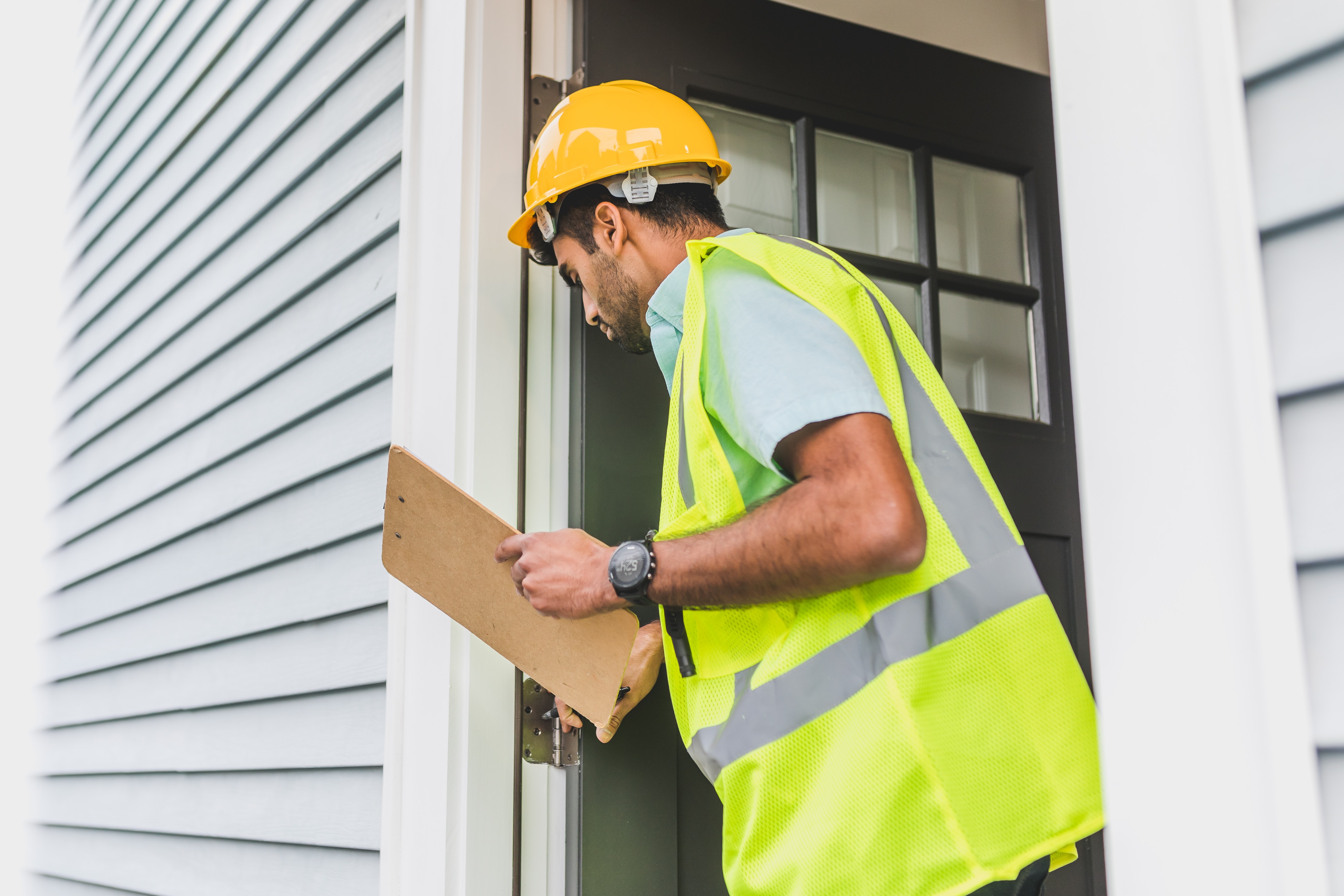
A pre-inspection is a professional home inspection ordered by the seller before the home goes on the market. The scope is similar to what a buyer would later conduct: structure, roof, electrical, plumbing, HVAC, and visible foundation conditions.
The key difference is timing and control. Instead of reacting to a buyer’s inspection after emotions and leverage have shifted, sellers review the condition of their home upfront. This allows decisions to be made calmly, with context, and without a contract deadline looming.
In Northwest Hills, where many homes were built between the 1960s and 1980s, this timing matters. Materials, layouts, and systems from that era often perform well but do not always align with modern expectations.
Why do pre-inspections matter more in Northwest Hills than newer areas?
Northwest Hills is not a tract-built neighborhood with uniform construction. Streets can shift from slab foundations to pier-and-beam within a few blocks. Rooflines, drainage patterns, and electrical upgrades vary widely.
After walking hundreds of homes in Northwest Hills, certain patterns emerge. In areas like Chimney Corners and the Courtyard, crawlspaces and aging cast iron plumbing are common discussion points. In Cat Mountain, sloped lots and retaining walls add another layer of evaluation.
A pre-inspection helps surface these realities early. Sellers are not surprised by comments about drainage flow, subpanel configurations, or older window systems. Buyers, in turn, are less likely to treat these items as deal-breakers when they are disclosed and contextualized upfront.
How does a pre-inspection affect pricing strategy?
Pricing in Northwest Hills is rarely about square footage alone. Condition plays a meaningful role, especially when two homes on the same street may have undergone very different renovation paths.
A pre-inspection gives sellers clearer footing when setting an asking price. If the report shows a well-maintained roof, solid mechanical systems, and only typical age-related observations, pricing can lean toward the stronger end of the range. If larger items are noted, pricing can be adjusted intentionally rather than defensively.
This is particularly relevant in neighborhoods like the Courtyard, where buyers often compare homes closely and expect fewer unknowns due to the community’s layout and consistency.
Does a pre-inspection mean sellers should fix everything?
No, and this is where strategy matters. A pre-inspection is not a to-do list. It is an information tool.
In my experience working with sellers here, the most effective approach is selective preparation. Safety items, active leaks, or issues that could halt financing are often addressed. Cosmetic or fully functional older components may simply be disclosed.
For example, original electrical panels are common in parts of Northwest Hills. If functioning properly, replacement is not always necessary. Disclosure paired with realistic pricing often achieves better results than preemptive over-improvement.
How do buyers respond to homes with pre-inspections?
Buyers in Northwest Hills tend to be analytical. Many are relocating professionals or long-term Austin residents moving within the city. When a pre-inspection is provided, it often reduces hesitation.
Buyers still perform their own inspections, but the tone changes. Instead of searching for unknown risks, they are confirming what has already been discussed. This often leads to fewer repair requests and more focused negotiations.
In competitive pockets of 78731 and 78759, a pre-inspection can also shorten decision timelines. Buyers feel more comfortable moving forward when the condition narrative is already established.
What role does disclosure play alongside a pre-inspection?
Disclosure is central to how pre-inspections function effectively. Texas sellers are required to disclose known material facts about a property. A pre-inspection helps ensure those disclosures are thorough and accurate.
In Northwest Hills, this often includes prior foundation adjustments, drainage modifications, or roof replacements. Providing context around these items builds trust. Buyers are generally more accepting of past repairs than of unanswered questions.
County records from Travis Central Appraisal District can help corroborate improvements, and sellers often benefit from aligning inspection findings with documented updates.
Are there situations where a pre-inspection may not make sense?
Yes. Not every sale requires one.
Homes that are being sold for land value, major remodel, or tear-down purposes may not benefit from a full inspection. In some cases, the buyer pool already assumes substantial work.
Additionally, in certain market conditions where demand significantly outpaces supply, sellers may opt to proceed without a pre-inspection. Even then, understanding likely inspection outcomes remains important.
The decision is less about rules and more about matching preparation level to buyer expectations in that specific micro-neighborhood.
How does a pre-inspection influence negotiations?
Negotiations tend to be calmer when fewer surprises arise. When a buyer’s inspection mirrors the seller’s pre-inspection, conversations stay grounded.
Instead of broad repair requests, discussions focus on specific items. This is particularly helpful with older homes where perfection is unrealistic but functionality matters.
In Northwest Hills, where many buyers plan incremental updates rather than full renovations, this clarity often keeps deals intact through option periods.
What local patterns influence inspection outcomes in Northwest Hills?
Each section of Northwest Hills carries its own tendencies. In Cat Mountain, hillside drainage and exterior flatwork are frequent inspection notes. In Chimney Corners, electrical updates and attic insulation come up regularly. The Courtyard often sees fewer major system concerns but closer scrutiny of shared features and HOA-related items.
Understanding these patterns allows sellers to interpret inspection results accurately. Not every note carries the same weight, and context matters.
School considerations also influence buyer mindset. Homes zoned to Highland Park Elementary, Doss Elementary, Murchison Middle School, Anderson High School, Lamar Middle School, McCallum High School, or Hill Elementary often attract long-term buyers who prioritize stability over cosmetic perfection. Information helps those buyers commit.
How does timing factor into pre-inspections?
Pre-inspections work best when completed early enough to allow thoughtful decisions. Rushing to address findings rarely leads to optimal outcomes.
Sellers who plan ahead often list with stronger confidence and fewer last-minute adjustments. This is especially helpful during spring and early summer, when Northwest Hills sees increased activity and buyers compare multiple options quickly.
City of Austin permitting timelines and contractor availability also factor into whether certain repairs are practical before listing.
Q&A: Common questions Northwest Hills sellers ask about pre-inspections
Will a pre-inspection scare buyers away?
In practice, the opposite is more common. Buyers are generally reassured when information is shared openly, even when issues are noted.
Do buyers still do their own inspection?
Yes. A pre-inspection does not replace a buyer’s inspection. It sets expectations and often simplifies the process.
Can a pre-inspection be shared with all buyers?
Yes, and in Northwest Hills it often becomes part of the marketing package. Transparency tends to attract serious buyers.
Does a pre-inspection affect appraisal outcomes?
Indirectly. Homes that proceed with fewer inspection-related renegotiations often maintain cleaner contract pricing, which can support appraisal consistency.
How do I choose what to repair before listing?
Focus on safety, function, and financing-related items. Avoid unnecessary upgrades that do not materially affect buyer confidence.
Closing thoughts
Pre-inspections are not about eliminating every imperfection. In Northwest Hills, they are about understanding the story of a home and presenting it honestly. When sellers know what they are offering, pricing becomes steadier, negotiations calmer, and outcomes more predictable.
For homeowners considering a move, it is often worth starting the conversation early and evaluating whether a pre-inspection fits the specific home and neighborhood. Preparation tends to pay off when it is thoughtful and measured.
#NWHills
Check out this article next