

At a Glance
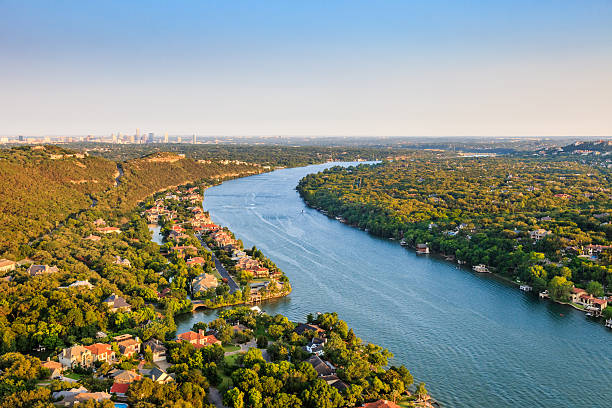
Many Northwest Hills homes are shaped as much by creeks and greenbelts as by streets and floor plans.
Conservation zones and floodplain maps directly affect what can be built, expanded, or renovated.
Buyers value mature trees and natural buffers, but they also ask practical questions about drainage and maintenance.
Understanding local ecology helps homeowners make informed decisions without over-improving their property.
Sub-neighborhoods like Cat Mountain, Courtyard, and Chimney Corners each interact with green space differently.
Northwest Hills is often described as established or quiet, but the landscape itself is a big part of why people choose to live here. Creeks, protected greenbelts, and conservation easements are not abstract planning concepts; they show up in backyards, lot shapes, and long-term property decisions. After walking hundreds of homes in this area, I’ve seen how ecological factors influence both daily living and resale value in ways that are easy to overlook.
This article looks at how natural features shape Northwest Hills, what that means for buyers and sellers, and how to think practically about conservation without treating it as a limitation.
Why does ecology matter so much in Northwest Hills?
Northwest Hills developed earlier than many parts of Austin, at a time when streets and homes were laid out around the land rather than flattening it. As a result, creeks, ravines, and tree canopies were largely preserved. That history still defines the neighborhood.
Unlike newer subdivisions, many lots here back to green space or include protected areas within their boundaries. This affects setbacks, drainage patterns, and even insurance considerations. From a real estate perspective, ecology is not just about aesthetics; it’s about understanding what the land allows and supports.
In my experience working with both buyers and sellers, the homes that feel most livable are the ones where the natural environment and the structure are in balance. When that balance is disrupted, issues tend to surface during inspections or long-term ownership.
How do creeks influence home sites and value?
Creeks are one of the most defining ecological features in Northwest Hills. Some are clearly visible year-round, while others are dry most of the time and only active after heavy rain.
Homes near creeks often benefit from natural buffers and privacy. Buyers frequently comment on the sense of space, even on smaller lots. At the same time, proximity to a creek raises practical questions about drainage, erosion, and floodplain designation.
Floodplain status is not uniform across the neighborhood. Two homes on the same street can have very different constraints depending on how water moves through the land. This is where local familiarity matters. Reviewing parcel details through Travis Central Appraisal District can clarify boundaries and designations, but interpretation often benefits from experience.
Well-positioned creek-adjacent homes tend to hold value because the land itself cannot be replicated. The key is understanding the limits before planning additions or landscape changes.
What role do green spaces and greenbelts play in daily life?
Green spaces in Northwest Hills range from city-managed greenbelts to informal wooded areas between properties. These spaces shape how neighborhoods feel and function.
For homeowners, backing to green space often means fewer rear neighbors and more consistent surroundings over time. From a resale standpoint, this stability is attractive to buyers who plan to stay put.
Daily life is quieter near these areas, but maintenance expectations shift. Leaves, shade patterns, and wildlife are part of the equation. Buyers moving from newer areas of Austin sometimes underestimate this, while long-time Northwest Hills residents see it as part of the appeal.
City of Austin resources help clarify which green spaces are publicly maintained and which are protected through other means. Understanding this distinction helps set realistic expectations for upkeep and access.
How do conservation zones affect renovations and additions?
Conservation zones and environmental overlays can limit how much of a lot can be developed. This doesn’t mean renovation is impossible, but it does require thoughtful planning.
I often see sellers worry that these restrictions will hurt value. In practice, buyers who choose Northwest Hills usually expect some limits. What matters is whether the existing home functions well within them.
Selective updates, such as improving windows, addressing drainage, or refreshing kitchens without expanding footprints, tend to resonate more than ambitious additions that push against environmental constraints. Over time, homes that respect the land tend to age better and attract steadier interest.
Before making major changes, reviewing zoning and environmental overlays through city resources can prevent costly surprises.
What ecological patterns show up in Cat Mountain?
Cat Mountain is known for views, elevation changes, and protected land. Many homes here are positioned to take advantage of sightlines while navigating steep slopes.
Floor plans that step with the land, rather than fighting it, tend to perform better. Buyers often prefer multi-level layouts with main living areas oriented toward views and natural light. Flat-lot expectations don’t always translate here.
Because of the terrain, drainage and foundation considerations are common discussion points. Homes that demonstrate thoughtful original design or well-documented maintenance tend to feel more comfortable to buyers.
How is Courtyard shaped by its green surroundings?
Courtyard homes often feel more contained and inward-facing, with green space acting as a buffer rather than a focal point. Mature trees and shared natural areas contribute to a quieter environment.
Buyers here often prioritize privacy and manageable outdoor space. Ecological considerations show up in tree protection and shared drainage systems rather than large-scale conservation zones.
From a market standpoint, homes that maintain their original character while addressing energy efficiency and systems tend to perform consistently. The natural surroundings already do much of the work.
What should buyers know about Chimney Corners and natural features?
Chimney Corners includes a mix of lot types, some with creek adjacency and others more interior. The variation means buyers need to evaluate each property individually rather than relying on general impressions.
In this area, I’ve noticed buyers pay close attention to how outdoor spaces connect to interior living. Shaded patios and decks that overlook natural areas are valued, but only when maintenance feels manageable.
Understanding where water flows during heavy rain is especially important here. Sellers who can speak clearly about drainage history often reduce buyer hesitation.
How do schools and ecology intersect in Northwest Hills?
Northwest Hills is served by several AISD schools, including Highland Park, Doss, Murchison, Anderson, Lamar, McCallum, and Hill. School boundaries often align with natural features like creeks and greenbelts.
For families, access routes and walkability are influenced by these features. A home that looks close on a map may feel farther in practice if green space interrupts direct paths.
Referencing Austin ISD resources helps buyers understand zoning, but walking the area provides context that maps don’t always capture.
What ecological factors matter most during resale?
From a resale perspective, buyers tend to focus on a few consistent themes:
Evidence of responsible drainage management
Tree health and protection
Clear understanding of what can and cannot be changed
Homes that acknowledge their ecological setting without overcompensating tend to attract smoother transactions. Over-improving outdoor spaces or attempting to “modernize away” natural features often creates friction.
In my experience, transparency and proportion matter more than perfection.
Q&A: Common Questions About Ecology in Northwest Hills
Does backing to a creek hurt resale value?
Not necessarily. When drainage and maintenance are well managed, creek-adjacent homes often attract buyers seeking privacy and natural surroundings.
Are conservation restrictions a deal-breaker for buyers?
For most Northwest Hills buyers, no. Many expect some limits and focus instead on how the existing home functions.
Should sellers remove trees to make a yard feel larger?
Generally no. Mature trees are part of the neighborhood’s appeal and removing them can raise concerns rather than add value.
Do greenbelt homes sell faster?
They often attract steady interest, especially from buyers planning longer-term ownership.
How can buyers evaluate flood risk accurately?
Reviewing parcel data through Travis Central Appraisal District and observing site conditions after rain both provide useful insight.
Closing Thoughts
Creeks, green spaces, and conservation aren’t side notes in Northwest Hills; they’re foundational. Homes here succeed when they work with the land rather than against it. Whether you’re buying, selling, or simply thinking ahead, understanding these ecological factors early usually leads to better decisions and fewer surprises.
It’s often worth starting the conversation well before a move, especially in a neighborhood where the landscape plays such an active role.
#NWHills
Check out this article next