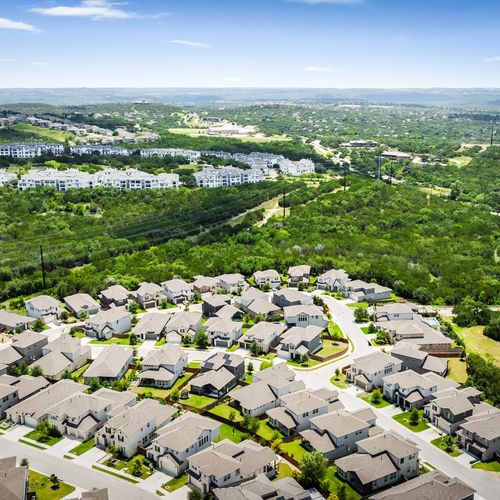


At a Glance
Northwest Hills is widely regarded as one of Austin’s safer, more stable residential neighborhoods in 2026
Most of the area is zoned to strong Austin ISD schools, including Doss, Murchison, and Anderson (verify by address)
Crime levels trend lower than many central Austin neighborhoods, with property crime more common than violent crime
Lifestyle is quiet, residential, and family-oriented—not walkable urban living
The neighborhood’s biggest appeal is balance: central location without central noise
Northwest Hills doesn’t really sell itself on hype.
It doesn’t need to.
It sells on something more practical:
Day-to-day livability.
Schools that people actually plan around.
Streets that feel residential instead of chaotic.
And a rhythm that doesn’t change much year to year.
But like any established Austin neighborhood, the full picture is more nuanced.
Let’s break it down cleanly.
How safe is Northwest Hills in 2026?
Northwest Hills is generally considered one of the more stable and lower-crime residential pockets in Northwest Austin.
Recent neighborhood-level data places overall crime below national averages, with an A-level safety rating in some reporting systems, while still showing typical urban patterns like property crime as the most common category.
That matches what most residents actually experience:
Quiet streets during the day
Low levels of serious violent incidents
Occasional property-related crime typical of a major city
Strong presence of long-term homeowners and families
It’s not “zero crime.”
No real neighborhood is.
But it operates in a different category than high-traffic entertainment districts or dense urban cores.
The biggest pattern here is simple:
Most issues are situational, not systemic.
And that distinction matters.
What crime actually looks like on the ground
When people ask about safety, they usually want a feeling, not a dataset.
Here’s the lived version of Northwest Hills:
Cars are the most common target for opportunistic theft
Homes are generally well-maintained and occupied long-term
Street activity drops significantly after commuting hours
Neighborhood awareness is relatively high because residents tend to stay long-term
The reality is less about danger and more about standard city awareness.
Lock your doors.
Don’t leave valuables visible.
Basic habits.
That’s the rhythm here.
What schools serve Northwest Hills?
This is where Northwest Hills consistently stands out.
The area is primarily served by Austin Independent School District, though exact zoning varies by street.
The most commonly associated school path includes:
Doss Elementary School
Murchison Middle School
Anderson High School
You’ll see this feeder pattern referenced constantly because it shapes both lifestyle and demand.
But here’s what matters more than the names:
These schools anchor daily routines.
They influence:
Morning traffic patterns
Neighborhood kid activity
Long-term buyer demand
Family migration decisions
Even households without children pay attention to it because it affects resale behavior over time.
Always verify zoning by exact address through AISD before assuming anything.
What school life feels like day to day
Northwest Hills has a very “built around schools” rhythm.
On weekdays you’ll notice:
Morning drop-off traffic clusters
Kids walking or biking in certain pockets
Afternoon neighborhood activity spikes
Sports and extracurricular commuting patterns
It doesn’t feel chaotic.
It feels structured.
That structure is one of the reasons families settle here long-term instead of cycling through.
What is the lifestyle actually like?
Northwest Hills is not trying to be trendy.
It’s not trying to be walkable urban Austin.
It’s a residential-first environment.
Daily life usually looks like:
Morning commute or remote work setup
School drop-offs or neighborhood routines
Grocery runs along Far West or nearby corridors
Evenings in quiet streets or local parks
Weekends split between home, nature, and nearby Austin amenities
It’s predictable in a way that many buyers find calming.
Not exciting.
Predictable.
And for a lot of families and professionals, that’s the appeal.
Parks, nature, and outdoor rhythm
One of the strongest lifestyle features here is access to green space without leaving the area.
The biggest local anchor is:
Bull Creek District Park
It functions like an extension of the neighborhood for many residents.
People use it for:
Hiking
Dog walking
Weekend family outings
Quick nature resets during the week
There are also smaller neighborhood parks and trail connections scattered throughout Northwest Hills, which reinforces the outdoor-heavy lifestyle without requiring long drives.
It’s not “destination nature.”
It’s embedded nature.
The lifestyle tradeoff nobody talks about
Northwest Hills gives you space and calm.
But it takes something away in return:
Urban energy.
You don’t get:
Dense restaurant clusters you can walk to
Nightlife within blocks
Constant street-level activity
A “buzzing” social district
For some people, that’s a downside.
For others, it’s the entire reason they move here.
This is where expectations matter more than features.
Who tends to thrive here?
Northwest Hills works best for people who want:
Stable residential neighborhoods
Strong school systems
Central Austin access without downtown intensity
Mature trees and established homes
A slower, more grounded daily rhythm
It’s especially common among:
Families
Long-term Austin residents moving up
Remote workers wanting separation from noise
Buyers prioritizing schools and stability over trendiness
Questions buyers ask most often
Is Northwest Hills safe compared to other Austin neighborhoods?
Yes. It is generally considered safer and more residential than many central Austin districts, with typical urban property crime patterns being the main concern.
What schools serve Northwest Hills?
Most homes are zoned to Austin ISD, commonly including Doss Elementary, Murchison Middle, and Anderson High, depending on exact address.
Is Northwest Hills walkable?
Only in select pockets. Most daily living still requires a car.
What kind of lifestyle does it have?
Quiet, residential, and family-oriented with strong access to parks and central Austin.
Is it good for families?
Yes. Schools, parks, and long-term stability make it one of the more consistent family markets in Northwest Austin.
Final thoughts
Northwest Hills doesn’t compete by being the loudest part of Austin.
It competes by being steady.
Schools that anchor routines.
Streets that don’t constantly change.
A safety profile that stays comfortably stable for a large city.
And a lifestyle that gives you room to live without constant friction.
It’s not trying to impress you in a weekend.
It’s built to hold you over years.
And in a city moving as fast as Austin, that kind of consistency is quietly becoming one of the most valuable features of all.
#NWHills
Check out this article next