

At a Glance
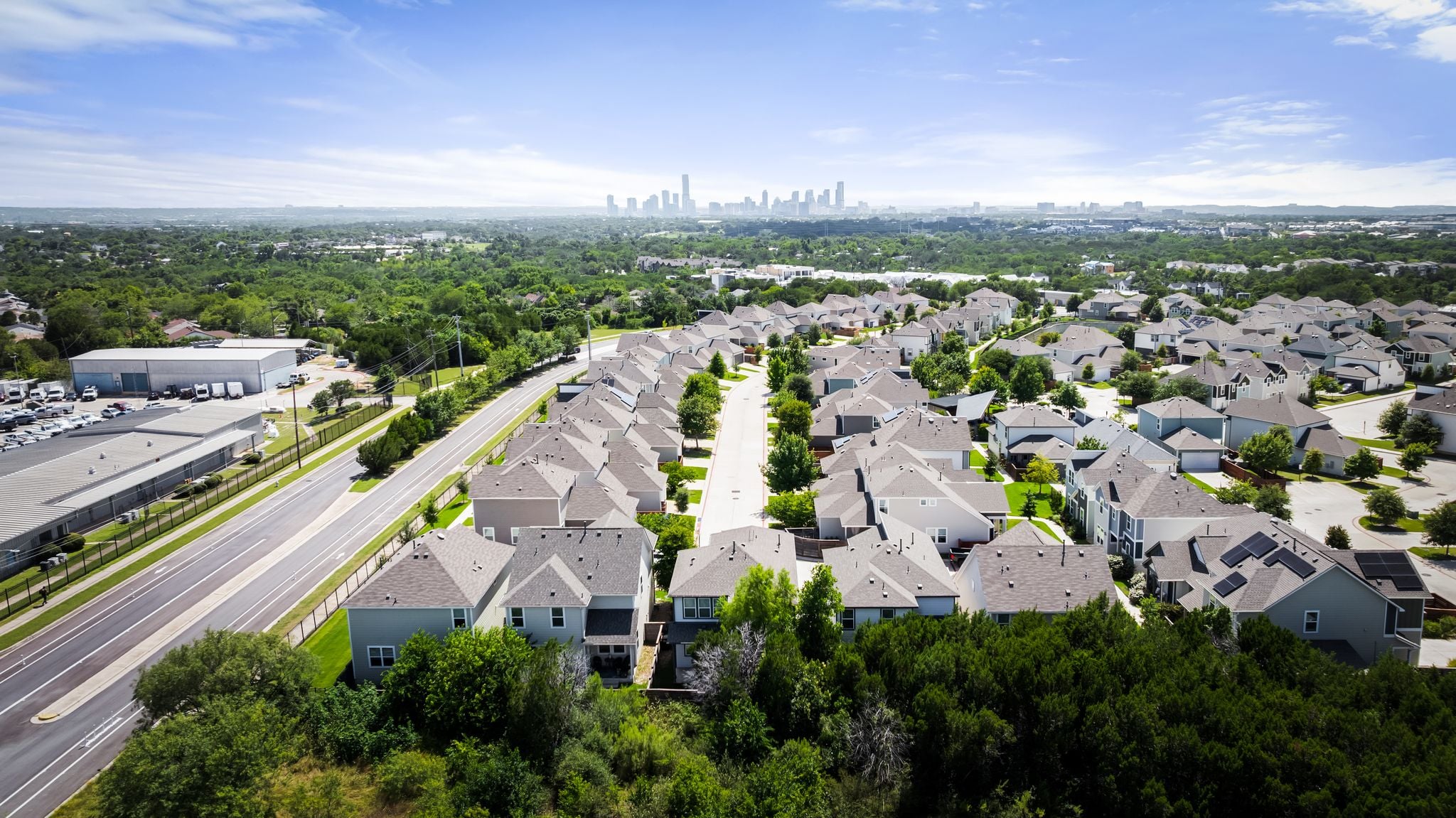
Northwest Hills offers many California buyers a familiar combination of hills, mature trees, and established neighborhoods
Homes are generally larger and sit on bigger lots than similarly priced homes in many California markets
Property taxes are often higher than newcomers expect, even with no Texas state income tax
The lifestyle is quieter and more residential than many California urban and coastal communities
Most California buyers choose Northwest Hills for location, schools, trees, and long-term livability
Every year, I talk with buyers who are making the move from California to Austin.
Some come from the Bay Area.
Others are relocating from Orange County, San Diego, Sacramento, or Los Angeles.
And almost all of them ask some version of the same question:
"What's going to feel different?"
The answer is surprisingly simple.
A lot will feel familiar.
And a lot won't.
Northwest Hills is often one of the easiest transitions for California buyers because it shares some characteristics that are increasingly hard to find in newer Texas suburbs:
Mature trees
Rolling terrain
Established homes
Central location
A neighborhood feel that developed over decades rather than all at once
But there are still a few things that catch newcomers off guard.
Why California buyers often gravitate toward Northwest Hills
When California buyers begin looking around Austin, they usually explore several areas:
Westlake
Steiner Ranch
Great Hills
Northwest Hills
Circle C
Lakeway
Northwest Hills often stands out because it feels less like a master-planned subdivision and more like an established residential community.
The neighborhood offers:
Large oak trees
Winding streets
Diverse architecture
Proximity to downtown
Strong school options
For buyers coming from hillside communities in places like the Bay Area or Southern California, the terrain often feels surprisingly familiar.
Not identical.
But familiar.
The first surprise: homes are different here
California buyers often expect Austin homes to look similar to newer suburban developments.
Northwest Hills usually changes that perception quickly.
Most homes were built between the 1960s and 1990s.
That means you'll see:
Larger lots
More architectural variety
Established landscaping
Custom floor plans
Significant renovation differences
One house may be completely remodeled.
The next may be largely original.
That's part of the character of the neighborhood.
It's also why touring homes in person matters.
Photos rarely tell the full story.
You'll probably get more space
This remains one of the biggest reasons people relocate.
Depending on where you're moving from, many buyers find they can purchase:
More interior square footage
Larger yards
Additional bedrooms
Dedicated office space
Outdoor living areas
Compared to many coastal California markets, Northwest Hills often provides significantly more house for the money.
Of course, every market is different.
But space is frequently one of the first things relocating buyers notice.
Property taxes may feel backwards
This is the adjustment many California homeowners don't anticipate.
Texas has no state income tax.
California does.
But Texas relies much more heavily on property taxes.
Many California buyers see a lower purchase price than they're used to and assume ownership costs will automatically be lower.
Sometimes that's true.
Sometimes it isn't.
Property taxes can be a meaningful part of the monthly payment, particularly in higher price ranges.
That's why I always encourage buyers to focus on total monthly cost—not just purchase price.
The weather requires an adjustment period
Austin weather tends to surprise people from both Northern and Southern California.
Summers
They're hotter.
Usually much hotter.
July and August can feel intense, especially during prolonged heat waves.
The good news?
Most homes, businesses, and daily routines are built around it.
Locals adapt.
Newcomers eventually do too.
Winters
Generally mild.
Snow is rare.
Freezing weather happens occasionally but doesn't dominate daily life.
For many California transplants, winter feels relatively easy.
Traffic is different than many people expect
People relocating to Austin often hear:
"Traffic isn't bad compared to California."
That's partially true.
But it's not the whole story.
Austin traffic can absolutely be frustrating.
The difference is scale.
Commutes are generally shorter than major California metro areas, but congestion still exists, especially on:
MoPac
Loop 360
US-183
I-35
One reason Northwest Hills remains popular is location.
You don't have to drive as far as many suburban communities.
That proximity helps offset traffic challenges.
The lifestyle is more residential than urban
Many California buyers expect Austin to feel like a smaller version of Los Angeles or San Francisco.
It doesn't.
Northwest Hills especially feels residential first.
Daily life often centers around:
Schools
Parks
Local restaurants
Neighborhood routines
Outdoor recreation
It's quieter.
Less crowded.
Less rushed.
For many people, that's a major benefit.
For others, it takes some adjustment.
Schools matter here
For relocating families, schools are often a major reason Northwest Hills ends up on the shortlist.
Depending on the specific property, buyers may have access to highly sought-after Austin ISD schools.
School zoning should always be verified directly before purchasing, but strong educational options continue to be a major driver of neighborhood demand.
Even buyers without children often consider school zones because of their long-term influence on resale value.
The outdoor lifestyle is real
One thing many California buyers appreciate is how much outdoor recreation exists nearby.
Residents regularly spend time at:
Bull Creek
Bright Leaf Preserve area
Lake Austin amenities
Local trails and greenbelts
The culture is active without feeling overly structured.
People spend time outside because they enjoy it—not because it's part of a neighborhood marketing brochure.
The culture feels different in subtle ways
This may be the hardest thing to explain until you experience it.
Northwest Hills tends to feel:
More neighbor-oriented
Less status-focused
More casual
Less transactional
People still care about their homes.
They still care about schools and investments.
But the pace often feels different.
There's less pressure to constantly optimize everything.
That change resonates with many newcomers.
What surprises California buyers most
After helping many relocation clients, a few themes come up repeatedly.
"It's greener than I expected."
The mature tree canopy catches many people off guard.
"The neighborhood feels older—in a good way."
Established communities often feel more rooted than newer developments.
"The taxes were higher than I thought."
Almost every California buyer comments on this.
"The commute was easier than I expected."
Location remains one of Northwest Hills' strongest advantages.
"It feels more relaxed."
This may be the most common observation of all.
Questions California buyers ask most often
Is Northwest Hills a good place for California transplants?
Yes. The combination of hills, trees, central location, and established homes often appeals to buyers relocating from California.
Are homes cheaper than California?
In many cases, yes. Buyers frequently find more space and larger lots at comparable price points.
How are property taxes compared to California?
Generally higher, which is an important factor to include when evaluating total ownership costs.
Is the neighborhood family-friendly?
Very much so. Schools, parks, and residential stability are major reasons families choose the area.
Does Northwest Hills feel like suburban Austin?
Yes, but with a more established and mature character than many newer suburban communities.
Final thoughts
Moving from California to Northwest Hills isn't really about finding a Texas version of where you came from.
It’s about finding a neighborhood that makes sense for the next chapter.
What many buyers discover is that Northwest Hills offers a combination that has become increasingly difficult to find in fast-growing cities:
Mature trees.
Established homes.
Central access.
Strong schools.
And a pace of life that feels just a little more grounded.
The neighborhood won't feel exactly like California.
That's the point.
But for many relocations, it feels familiar enough to be comfortable and different enough to be exciting.
And that's usually the balance people are hoping to find when they make a move across state lines.
#NWHills
Check out this article next