
At a Glance
Northwest Hills is partially walkable, but not a traditional “urban walk-everywhere” neighborhood.
Most residents walk for exercise, schools, and nearby trails, not daily errands.
Some pockets (especially near Far West Blvd and interior streets) are more walk-friendly than hillside sections.
Grocery stores, restaurants, and major retail usually require a short drive.
The strongest walkability feature is the natural trail system and quiet residential streets, not commercial density.
Walkability in Northwest Hills is one of those things that depends entirely on what you mean by “walkable.”
If you mean:
Coffee shops on every corner
Grocery stores within a 5-minute walk
Restaurants you can stumble into after dinner
Then no — Northwest Hills is not that kind of place.
But if you mean:
Safe residential streets for long walks
Tree-covered sidewalks
Trail access without getting in your car
A neighborhood where walking is part of daily rhythm
Then yes — it absolutely works.
It’s just a different version of walkability.
Less city grid. More hillside wandering.
What does walkability actually look like in Northwest Hills?
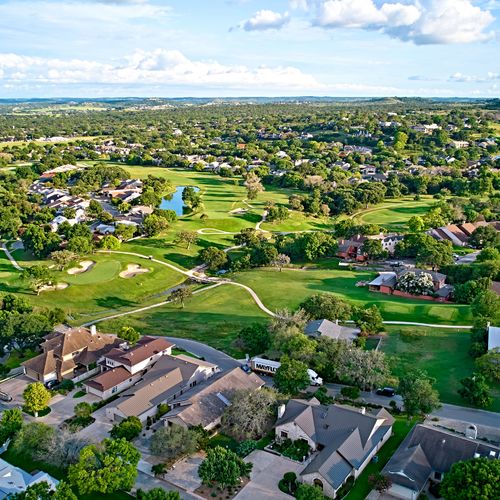
Northwest Hills is built around winding residential streets, elevation changes, and large lots.
That alone shapes how people move.
Instead of dense commercial corridors, you get:
Quiet loops through neighborhoods
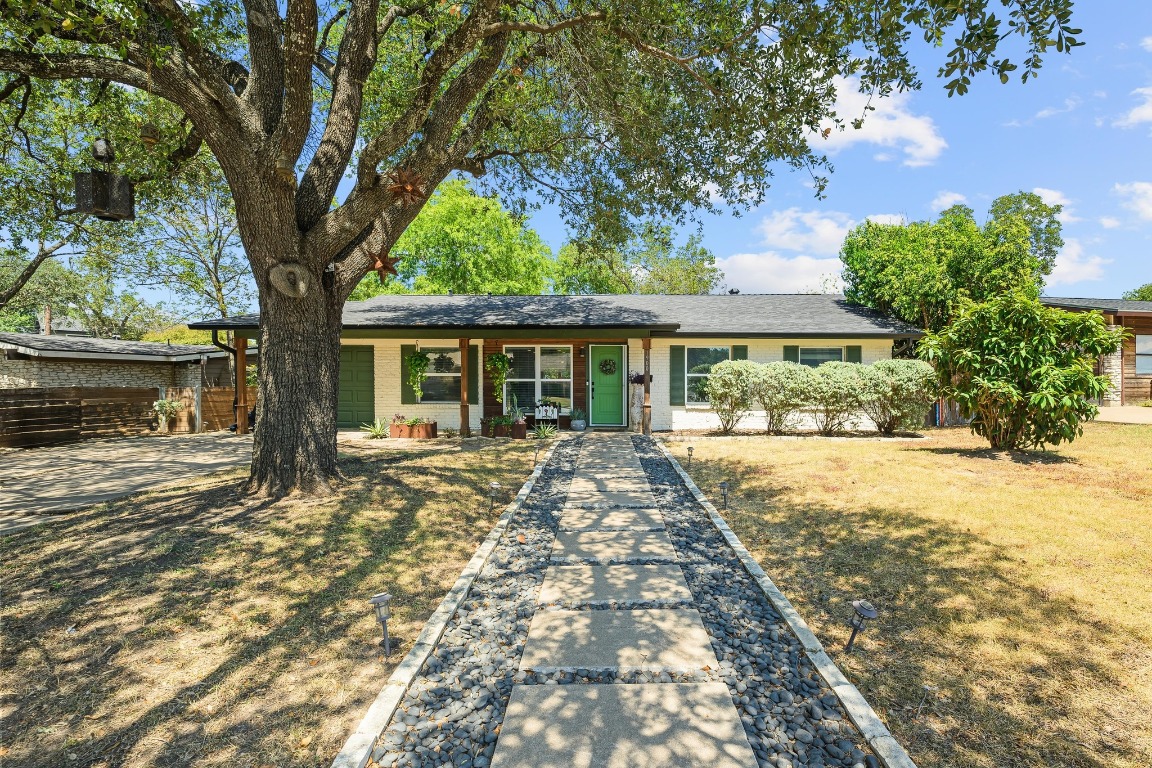
Long sidewalk stretches under mature oak trees
Low-traffic streets ideal for walking dogs or jogging
Trail access points connecting different parts of the area
It feels more like a “walking neighborhood for lifestyle” than a “walking neighborhood for errands.”
And honestly, that distinction matters.
Where is Northwest Hills actually walkable?
Far West Boulevard corridor
This is one of the more walkable edges of the neighborhood.
Around Far West Boulevard, you’ll find:
Grocery stores
Coffee shops
Local restaurants
Medical offices
Small retail clusters
From nearby homes, it’s possible to walk to errands — but it depends heavily on exact location and sidewalks.
Some streets connect well. Others don’t. Austin topography is doing its own thing here.
Interior neighborhood streets
Inside Northwest Hills, walkability shifts.
You’ll find:
Wide residential streets
Cul-de-sacs and loops
Less commercial density
Heavier tree canopy
Lower traffic volumes
These areas are excellent for walking:
Dogs
Morning exercise loops
Kids biking or walking to nearby friends
Evening strolls
But you’re not walking to get groceries. You’re walking because the neighborhood itself is pleasant to move through.
Trail access changes everything
One of the strongest walkability features in Northwest Hills isn’t sidewalks — it’s access to green space.
Nearby trail systems connect parts of the neighborhood and surrounding hillsides, giving residents a more natural walking experience.
The City of Austin’s urban trail planning continues to improve connectivity in areas like this over time.
City of Austin Urban Trails Program
This is where Northwest Hills quietly wins:
You can leave your house and get into a nature-like walking environment in minutes.
Not every Austin neighborhood can say that.
Is it walkable for daily errands?
This is where expectations matter.
Northwest Hills is not a “park your car on day one and forget it” neighborhood.
Most errands still involve driving:
Grocery stores: short drive
Schools: often short drive or bus
Restaurants: usually drive
Retail: clustered nearby but not embedded in residential streets
So if walkability means replacing your car, this is not the neighborhood.
But if walkability means “I can enjoy my neighborhood on foot every day,” it performs well.
How does terrain affect walking?
This is the part people underestimate.
Northwest Hills is not flat.
You’ll get:
Steeper streets in hillside sections
Rolling elevation changes
Long uphill walks that feel like workouts
Downhill returns that feel easier (and faster)
In areas like Cat Mountain, walking can feel more like hiking than suburban strolling depending on the route.
That’s either a feature or a dealbreaker depending on the person.
Some buyers love it. Others avoid it entirely.
There’s not much in-between.
What about sidewalks and pedestrian design?
Sidewalk coverage is mixed.
Some streets have:
Continuous sidewalks
Mature tree-lined walking paths
Well-established pedestrian routes
Others:
Limited sidewalk continuity
Narrow shoulders
More car-oriented design (older Austin planning style)
This reflects the neighborhood’s age more than anything else.
Northwest Hills wasn’t built with modern “walkability scores” in mind. It evolved over time.
So you get a patchwork:
beautiful walking streets next to more functional driving corridors.
Can kids walk to school?
In some cases, yes — but it depends on exact zoning and proximity.
Within Austin Independent School District boundaries, some families do walk or bike to nearby campuses, especially in closer-in sections.
However:
Many families still drive for convenience
Bus routes are commonly used
Safety and distance vary street by street
So it’s partially walkable for school life — but not uniformly.
How does it compare to “true walkable” Austin neighborhoods?
If you compare Northwest Hills to areas like downtown or The Domain, the difference is obvious.
Those areas offer:
Dense retail access
Mixed-use development
Short block grids
Daily errand walkability
Northwest Hills offers something else entirely:
Space
Quiet
Trees
Residential calm
It trades convenience density for livability.
And depending on your lifestyle, that trade can feel either perfect or limiting.
What do residents actually do on foot?
Most walking in Northwest Hills falls into three categories:
1. Exercise walks
Morning and evening loops are extremely common. Streets are quiet, shaded, and safe-feeling.
2. Dog walking
Probably the most consistent use of sidewalks in the neighborhood.
3. Trail walking
Residents often connect residential walking with nearby trail systems or greenbelt areas.
It’s a lifestyle pattern, not a necessity-driven pattern.
So… is Northwest Hills walkable?
Yes — but not in the “city convenience” sense.
It’s walkable in a slower, more traditional way:
You walk because the neighborhood is pleasant
Not because you need to get somewhere every time
It’s closer to old Austin living than modern urban planning.
And that’s really the point.
Questions buyers usually ask
Can you live in Northwest Hills without a car?
Not comfortably. Most residents still rely on cars for errands and commuting.
Is it safe to walk at night?
Many residents do walk in the evenings, especially in interior streets, though lighting and street conditions vary.
Are there sidewalks everywhere?
No. Sidewalk coverage is inconsistent depending on the age and section of the street.
Is it better for walkers than other Austin suburbs?
Yes in terms of atmosphere and residential walk quality, but not in terms of retail walkability.
What’s the best walkable pocket in Northwest Hills?
Areas near Far West Boulevard and flatter interior streets tend to offer the most balanced walkability.
Final thoughts
Northwest Hills isn’t trying to be a walkable city district.
It’s something quieter than that.
A place where walking is part of daily life, but not the foundation of survival. Where you step outside and the streets feel more like a long, shaded loop through a neighborhood that’s been here for decades.
It’s not walkability built for convenience.
It’s walkability built for living.
And for a lot of people, that’s exactly the point.
#NWHills
Check out this article next