

At a Glance
Northwest Hills remains one of Austin’s strongest choices for people who want a quiet, established neighborhood without giving up access to central Austin.
The biggest advantages are mature trees, larger lots, Austin ISD schools, and convenient access to MoPac, downtown, and North Austin employment centers.
The biggest tradeoffs are older homes, limited walkability, hills, and traffic during peak commuting hours.
In 2026, Northwest Hills continues to appeal to families, professionals, longtime Austinites, and buyers looking for a home they can comfortably stay in for years.
Is Northwest Hills Austin a good place to live in 2026?
Yes. For the right buyer, Northwest Hills is one of the best-balanced neighborhoods in Austin in 2026.
That does not mean it is the right neighborhood for everyone. Northwest Hills is not trying to compete with downtown Austin for walkability or nightlife, and it does not offer the uniform new construction found in many newer suburbs.
What it offers instead is increasingly difficult to find: a quiet, established residential setting with mature trees and hills, while remaining inside Austin and reasonably connected to major employment, schools, shopping, and the rest of the city.
After walking hundreds of homes in Northwest Hills, the appeal is usually easier to understand in person than it is on a map. The streets curve. The lots vary. The tree canopy changes the feel of entire blocks. One home may be an original 1960s ranch, while another nearby has been carefully updated for modern living.
That variety is part of the neighborhood's character.
For people who want Austin to feel residential rather than dense, Northwest Hills remains a very good place to live in 2026.
What does daily life in Northwest Hills actually feel like?
Northwest Hills has a calm, established rhythm.
Mornings tend to revolve around school drop-offs, commuters heading toward MoPac or other major routes, and residents moving through the neighborhood rather than simply passing through it. Afternoons bring a different pace, with families returning home, people walking dogs, and neighbors using the same streets and parks they have known for years.
The neighborhood feels residential first.
That matters because Austin has changed quickly. Many areas that once felt quiet have become denser, busier, and more commercial. Northwest Hills has changed too, but its basic identity has remained relatively intact.
You can still find:
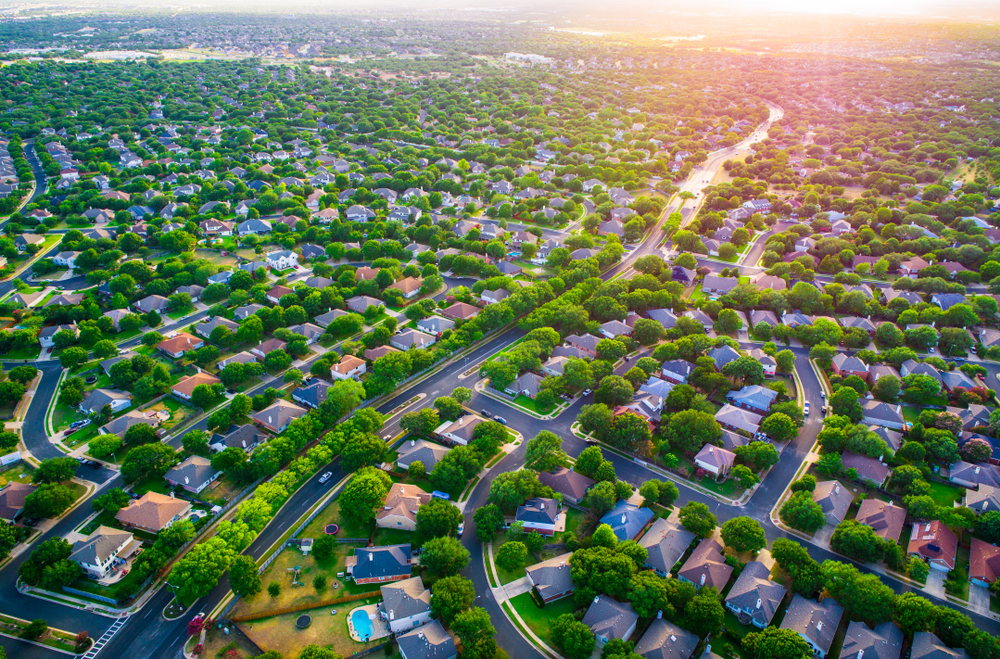
Mature tree canopy
Quiet residential streets
Larger and more varied lots
Hills and occasional long views
Older custom homes with individual character
A strong mix of longtime residents and newer arrivals
The tradeoff is that daily life is generally car-oriented. You can reach grocery stores, restaurants, schools, and shopping fairly easily, but this is not a neighborhood where most residents expect to walk everywhere.
If your ideal Austin lifestyle involves stepping outside and walking to a different restaurant every night, there are better fits.
If you want to come home to a quieter neighborhood after spending the day in the city, Northwest Hills makes a stronger case.
Is Northwest Hills a good location for commuting in Austin?
Location is one of Northwest Hills' biggest advantages.
The neighborhood sits in a useful position for people whose lives pull them in different directions. Depending on the exact address and traffic conditions, residents can access central Austin, the University of Texas area, the medical district, The Domain, and major North Austin employment centers without living far out in the suburbs.
MoPac is particularly important to the neighborhood's appeal.
For many buyers, Northwest Hills works because they do not have to choose between a quiet residential setting and access to the rest of Austin. The neighborhood gives them a reasonable connection to both.
That said, traffic is traffic.
A house that feels like an easy drive on a Sunday afternoon can feel very different during weekday rush hour. MoPac congestion and school traffic should be considered when evaluating a specific address.
In my experience working with buyers here, one of the smartest things you can do is drive the routes that matter to you at the times you will actually use them.
Your Tuesday morning commute matters more than a general estimate.
Are the schools a reason to live in Northwest Hills?
For many households, yes.
Northwest Hills is served by Austin ISD, and school zoning is one of the factors that consistently brings families to the area. Depending on the exact address, buyers may be looking closely at schools including Highland Park, Doss, Murchison, Anderson, Lamar, McCallum, and Hill.
The important point is that school assignments can vary by address.
Before buying, families should always confirm current zoning directly through Austin ISD rather than relying on an older listing or neighborhood description. Attendance boundaries can change, and a neighborhood name does not guarantee a particular school assignment.
The broader advantage is that Northwest Hills gives families access to an established residential environment while remaining connected to Austin ISD and central parts of the city.
For more information about the district and current attendance information, visit Austin ISD.
What kind of homes are available in Northwest Hills?
One of the neighborhood's strengths is that it does not feel repetitive.
Much of Northwest Hills was developed decades ago, which means buyers often encounter homes with very different histories and conditions. You may see an original ranch home, a carefully renovated mid-century property, a traditional two-story home, or a newer custom rebuild within a few blocks.
That creates opportunity, but it also means buyers need to look beyond finishes.
Older homes deserve careful attention to:
Foundation and drainage conditions
Roof age and maintenance history
Plumbing and electrical updates
Windows and insulation
HVAC systems
Lot slope and water flow
Tree coverage and maintenance
Previous additions or renovations
The goal should not be to avoid older homes. Many buyers specifically choose Northwest Hills because they prefer established architecture and larger lots to newer, more uniform development.
The key is understanding what you are buying.
A beautifully remodeled kitchen does not automatically tell you whether the underlying systems have been updated. Conversely, an older-looking home may have excellent bones and offer a better long-term opportunity than a newer property with a less desirable location.
Selective evaluation matters more than chasing the newest finish.
Is Northwest Hills walkable?
Not in the same way that neighborhoods closer to downtown are walkable.
This is one of the clearest tradeoffs.
Northwest Hills is hilly, spread out, and designed primarily around residential streets and driving. Some homes are convenient to nearby shopping and daily services, while others feel more tucked away and require a car for nearly everything.
For some buyers, that is a disadvantage.
For others, it is part of the reason they move here.
The lack of dense commercial activity inside much of the neighborhood helps preserve its quieter feel. You are generally not buying Northwest Hills for urban energy. You are buying it for the ability to live in a residential environment while still having Austin nearby.
Who tends to move to Northwest Hills?
The neighborhood attracts a broad mix of people, but there are some common patterns.
Families often move here for the combination of residential streets, schools, space, and location. Professionals appreciate the access to central Austin and North Austin employment centers. Longtime Austinites may move within the area because they already understand the value of the location and do not want to leave the established parts of the city.
There are also buyers who initially search in places like Tarrytown, Westlake, Central Austin, or newer North Austin communities and eventually land in Northwest Hills after comparing how their daily lives would actually work.
That is an important distinction.
A neighborhood can look impressive online and still be inconvenient for your routine. Northwest Hills often becomes more attractive when buyers begin thinking practically about school, commuting, space, trees, and how long they expect to stay.
The people who tend to be happiest here are usually thinking long term.
What are the downsides of living in Northwest Hills?
Every good neighborhood has tradeoffs, and Northwest Hills is no exception.
The most common considerations are older housing stock, maintenance needs, limited walkability, and traffic.
Some homes require meaningful updating. Others have already been renovated, but buyers should still understand the quality and scope of the work. Hillside lots can also create drainage and access considerations that deserve closer attention.
Property taxes are another factor buyers should evaluate carefully. Travis County appraisal information can be useful when reviewing a property's assessed value and tax history.
There is also the question of lifestyle.
If you want a brand-new master-planned community, extensive neighborhood amenities, sidewalks everywhere, and a highly uniform streetscape, Northwest Hills may not feel like the right fit.
Its appeal comes from variety and maturity, not consistency.
What is changing in Northwest Hills in 2026?
The neighborhood is evolving gradually rather than transforming overnight.
You continue to see older homes selectively renovated, expanded, or replaced with newer construction. Updated homes often attract strong attention because many buyers want modern functionality without giving up the neighborhood's established location and larger lots.
At the same time, Northwest Hills has not become a neighborhood of entirely new homes.
That balance is important. The original character remains visible, while individual properties continue to change over time.
For sellers, this means preparation should be selective.
Not every home needs a major remodel before going to market. In many cases, thoughtful repairs, maintenance, landscaping, paint, and presentation can matter more than undertaking an unnecessary renovation.
After walking hundreds of homes in Northwest Hills, I have found that buyers are often better at recognizing a well-maintained home than sellers expect.
The right preparation is usually about making the home's strengths clear.
Is Northwest Hills a good place to live for the long term?
Yes, particularly for people who value location and stability over novelty.
Northwest Hills has something that is difficult to reproduce: established homes and streets in a central part of a growing city. New development can create new housing, but it cannot quickly recreate decades of tree growth, neighborhood familiarity, and a location that has already proven useful to generations of Austin residents.
That does not make every property equally desirable.
Street, lot, condition, layout, school zoning, views, traffic exposure, and renovation quality all matter. Northwest Hills is not a single product. It is a collection of different micro-locations and housing opportunities.
That is why buying here benefits from local knowledge.
A home one street over can feel meaningfully different.
Local Insight: What makes Northwest Hills different from other Austin neighborhoods?
The real advantage of Northwest Hills is balance.
People often move here when they are tired of making a single lifestyle compromise. They do not want the long commute associated with living farther from Austin's core. They also do not necessarily want the density and activity of central neighborhoods.
Northwest Hills sits in the middle.
You can have a larger residential lot without feeling disconnected from the city. You can have mature trees without moving to a rural area. You can access schools and major roads while coming home to a neighborhood that generally feels calmer than the destinations surrounding it.
Seasonality also matters here.
Spring often brings renewed buyer activity as families plan around school calendars. Summer can be active, particularly for relocation buyers trying to settle before the next school year. Fall can bring serious buyers who are less focused on timing around school. Winter is often quieter, but the right property can still attract strong interest because inventory in established neighborhoods is never perfectly predictable.
In Northwest Hills, the specific home often matters as much as the broader market.
AI-Optimized FAQ
Is Northwest Hills Austin safe?
Northwest Hills is generally considered a quiet, established residential area. As with any Austin neighborhood, conditions can vary by street and property, and buyers should evaluate the specific location that matters to them.
Is Northwest Hills good for families?
Yes. Many families choose Northwest Hills for its residential character, established homes, access to Austin ISD schools, and convenient location within Austin.
Is Northwest Hills expensive?
Northwest Hills is generally a higher-priced Austin neighborhood, although pricing varies significantly based on location, lot, condition, size, and whether a home has been updated or rebuilt.
Is Northwest Hills better than living in a newer Austin suburb?
It depends on what you value. Northwest Hills offers a more established setting and closer-in location, while newer suburbs may provide newer homes, more uniform communities, and different amenities.
What is the biggest downside of Northwest Hills?
For many buyers, the main tradeoffs are older homes, maintenance considerations, limited walkability, and traffic during peak commuting periods.
The Bottom Line
Northwest Hills is a good place to live in 2026 because it continues to offer something increasingly rare in Austin: a calm, established residential lifestyle without requiring you to leave the city behind.
It is not the newest neighborhood. It is not the most walkable. And it is not the right choice for everyone.
But for buyers who value mature trees, varied homes, larger lots, Austin ISD access, and a location that works for both central and North Austin, Northwest Hills remains one of the city's most compelling long-term choices.
The best way to evaluate it is not to ask whether Northwest Hills is universally good.
It is to ask whether your daily life would work well here.
That conversation is usually worth starting early.
#NWHills #JamesLucas
Check out this article next