
At a Glance
Northwest Hills tends to offer more central Austin access, larger elevations, and a wider mix of architectural styles.
Balcones Village often appeals to buyers prioritizing golf course living, flatter lots, and proximity to major tech employers.
Home values in both neighborhoods have remained resilient, but buyer demand behaves differently depending on lot size, remodel quality, and school zoning.
Northwest Hills attracts more long-term “move-up” buyers, while Balcones Village frequently draws relocation buyers looking for practical access and space.
The right fit usually comes down to commute patterns, floor plan preferences, and how buyers want their daily life to feel five years from now — not just today.
There’s a certain point in the Austin home search where buyers stop looking at square footage and start thinking about rhythm.
How long does the drive feel after a late dinner downtown?
Does the neighborhood still feel quiet at 7:00 in the morning?
Can the kids ride bikes without everything sloping downhill like a ski run?
Does the house feel tied to Austin, or slightly outside of it?
That’s usually when the Balcones Village versus Northwest Hills conversation begins.
On paper, these neighborhoods can look surprisingly similar. Both sit in Northwest Austin. Both offer mature trees, established homes, strong public school options, and access to some of Austin’s most durable real estate corridors. But once buyers spend real time in each area, the differences become much clearer.
And those differences matter.
What’s the biggest difference between Balcones Village and Northwest Hills?
The simplest way to describe it is this:
Northwest Hills feels more woven into central Austin.
Balcones Village feels more outward-facing toward the tech corridor.
That changes the personality of both neighborhoods.
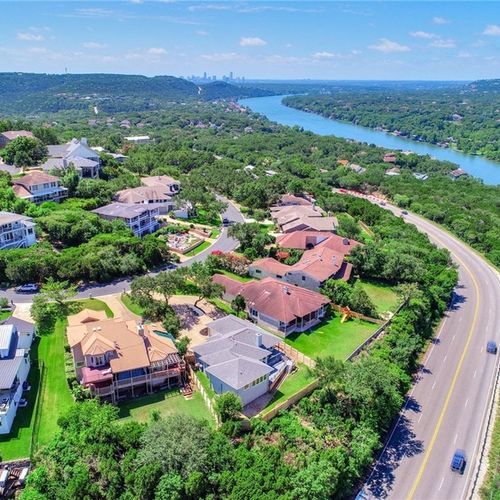
Northwest Hills has hillsides, canyon views, winding roads, and pockets that almost disappear into the trees. It’s older Austin in a good way. You’ll see original 1970s homes sitting beside major renovations and modern rebuilds. Buyers who want character tend to gravitate here.
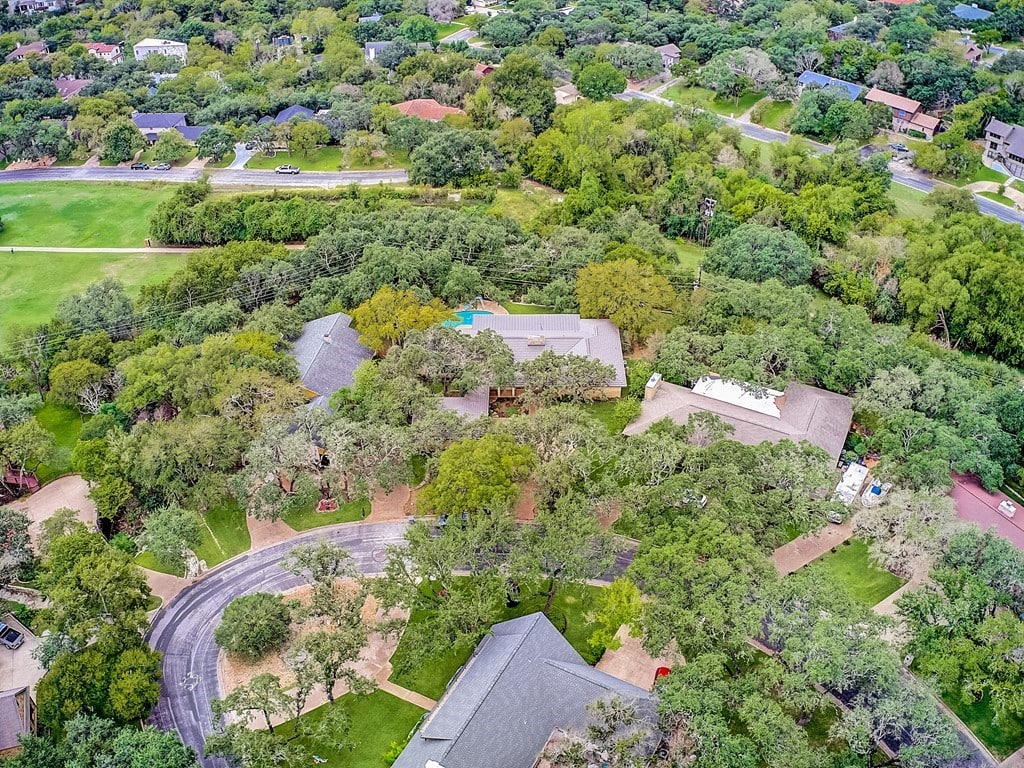
Balcones Village feels a little more open and practical. Streets are generally flatter. Lots are often easier to use. The layout is more predictable. Buyers relocating from other states frequently feel comfortable there immediately because the neighborhood “makes sense” quickly.
Neither is better universally. They simply attract different priorities.
How do home prices compare?
In general, Northwest Hills pricing has a wider range.
You’ll find everything from smaller original homes needing updates to fully renovated properties with sweeping Hill Country views. Certain sections — especially near Cat Mountain or tucked into higher elevations — command substantial premiums because view inventory is limited and rarely replicated in newer Austin developments.
Balcones Village pricing tends to track more consistently block to block.
Golf course adjacency, cul-de-sac lots, and remodeled single-story homes usually bring the strongest demand there. Buyers looking for functional square footage without paying heavily for dramatic topography often see more value in Balcones Village.
One thing I consistently notice: buyers underestimate how much lot usability affects value perception.
A Northwest Hills property may technically have a larger lot, but steep terrain can limit backyard function. Meanwhile, a flatter Balcones Village lot may feel more livable day to day even if the numbers on paper are smaller.
That becomes especially important for families planning pools, outdoor kitchens, or future additions.
Which neighborhood has the better location?
This depends entirely on how you live.
If your routine revolves around downtown Austin, central Austin restaurants, or the medical district, Northwest Hills generally feels more connected. There’s less psychological distance. Even when traffic exists, the routes feel direct.
Balcones Village shines for buyers commuting north.
Apple, Dell, The Domain, and much of Austin’s tech corridor are easier to access from Balcones Village. Buyers working hybrid schedules often care less about absolute mileage and more about reducing friction during weekday routines.
And honestly, that’s become one of the biggest changes in Northwest Austin real estate over the last several years.
People are no longer buying solely for commute distance. They’re buying for energy management.
A house that saves fifteen stressful minutes every weekday starts to matter more after a few years than buyers initially expect.
What types of homes do buyers usually prefer in each neighborhood?
This is where the differences become more specific.
Northwest Hills buyers often prioritize:
Views
Architectural individuality
Larger trees
Split-level layouts
Indoor-outdoor living
Remodel potential
Privacy from neighbors
Many buyers searching Northwest Hills are comfortable taking on cosmetic updates if the location and lot feel special. There’s a strong emotional component to purchases there.
In sections near Cat Mountain, for example, buyers routinely prioritize sightlines over perfect finishes. If a living room frames canyon views correctly, people forgive a lot.
That’s difficult to quantify online, but it absolutely affects demand.
Balcones Village buyers often prioritize:
Functional floor plans
Single-story layouts
Flat yards
Golf course proximity
Easier maintenance
Predictable resale appeal
Access to major employers
I also see more buyers specifically searching for practical long-term aging-in-place layouts in Balcones Village. The flatter terrain and single-story inventory matter more than people realize.
Especially for buyers relocating from suburban markets outside Texas, Balcones Village often feels immediately familiar in a reassuring way.
How do the schools compare?
Both neighborhoods benefit from strong public school reputations within Northwest Austin.
School zoning can shift depending on exact property location, so buyers should always verify directly through the official Austin ISD website before making decisions:
In practice, many buyers looking in either neighborhood are targeting strong academic environments combined with established residential stability.
What’s interesting is how school priorities influence housing decisions differently in these two areas.
In Northwest Hills, buyers are often willing to compromise slightly on floor plan efficiency for a more distinctive property.
In Balcones Village, school-focused buyers frequently prioritize functionality first — larger kitchens, easier yards, simpler layouts, and practical daily living.
Neither approach is wrong. It’s simply a different version of long-term planning.
Which neighborhood feels more “Austin”?
This is subjective, but I hear the answer repeatedly from buyers after touring both.
Northwest Hills tends to feel more traditionally Austin.
The terrain changes constantly. Streets curve unexpectedly. Certain homes feel tucked into the landscape rather than built on top of it. You notice limestone, old oak canopies, and architecture that predates today’s formula-driven subdivisions.
Balcones Village feels more structured and suburban in its flow.
That’s not criticism. In fact, many buyers prefer it because daily life feels easier to navigate. Parking is simpler. Walking routes feel straightforward. Lots are more consistent.
But if someone says they want “old Austin character,” they’re usually describing Northwest Hills whether they realize it or not.
What should buyers know about remodeling potential?
This matters more than ever in Northwest Austin because so much inventory was built decades ago.
Northwest Hills generally offers more dramatic upside for major renovations. Buyers willing to rework floor plans, expand windows, or modernize elevations can create extraordinary results because the underlying lots are often exceptional.
Some of the strongest appreciation I’ve seen comes from buyers who understood this early.
Balcones Village remodels tend to be more practical and ROI-focused. Kitchens, bathrooms, flooring, and backyard improvements usually provide strong usability improvements without requiring complete structural overhauls.
One pattern I’ve noticed repeatedly:
buyers in Balcones Village often renovate for efficiency.
buyers in Northwest Hills often renovate for transformation.
That’s a meaningful distinction.
Which neighborhood holds value better during market shifts?
Historically, both have remained resilient compared to many newer suburban developments.
Established Northwest Austin neighborhoods benefit from something that cannot easily be recreated anymore:
Mature trees
Large lots
Central land position
Architectural variation
Limited inventory growth
But the reasons values hold differ slightly.
Northwest Hills tends to maintain demand because unique properties remain scarce. View lots, canyon lots, and highly renovated homes continue attracting buyers even during slower cycles.
Balcones Village often stays stable because it checks practical boxes consistently: schools, access, lot usability, and employment proximity.
In softer markets, practical neighborhoods frequently perform quietly well.
And in Austin, “quietly well” is often the sign of long-term strength.
How do buyers typically decide between the two?
Usually, the answer appears after the third or fourth showing.
At first, buyers compare statistics.
Then they start imagining routines.
That’s when the real preference surfaces.
The buyer who lingers on the Northwest Hills balcony staring at canyon views for ten extra minutes usually already has their answer.
The buyer who immediately notices how easy the Balcones Village backyard would be for kids, dogs, or future entertaining usually has theirs too.
Real estate decisions in this part of Austin are rarely only financial. They become deeply tied to lifestyle pacing.
And honestly, both neighborhoods have aged remarkably well because they were built before every subdivision started feeling interchangeable.
Questions buyers usually ask
Is Northwest Hills more expensive than Balcones Village?
Generally, Northwest Hills has a broader price range with higher ceilings for view properties and extensively renovated homes. Balcones Village pricing is often more consistent depending on lot size and golf course location.
Which neighborhood is better for commuting to The Domain?
Balcones Village usually offers easier access to Austin’s northern tech corridor and The Domain area.
Are there more remodeled homes in Northwest Hills?
Yes, particularly in sections where buyers are investing heavily into view-oriented renovations and custom rebuilds.
Which area is better for flat lots?
Balcones Village generally offers flatter and more usable terrain compared to many hillside sections of Northwest Hills.
Where do buyers find more architectural character?
Most buyers looking for distinctive architecture and classic Austin hillside character lean toward Northwest Hills.
Final thoughts
The interesting thing about Northwest Austin is that buyers often begin searching for houses and end up choosing a rhythm instead.
Northwest Hills offers texture, elevation, and a feeling that the neighborhood grew naturally alongside Austin itself.
Balcones Village offers consistency, practicality, and a quieter kind of long-term livability that becomes more valuable over time.
Both remain strong options because neither relies on trends to stay relevant.
They already proved themselves decades ago.
If you’re trying to decide between the two, the most useful thing you can do is spend real time in both neighborhoods beyond a quick showing window. Drive them early in the morning. Sit through afternoon traffic. Walk the streets after dinner.
The right neighborhood usually becomes obvious once daily life enters the conversation.
#NWHills
Check out this article next