

At a Glance
- Preparing an older Northwest Hills home for listing photos is about highlighting its space, natural light, layout, and character rather than hiding its age.
- Decluttering, deep cleaning, and removing excess furniture can make rooms feel more open without requiring expensive renovations.
- Kitchens, bathrooms, flooring, windows, and light fixtures deserve extra attention because visible wear can stand out in photographs.
- Northwest Hills homes may have features worth emphasizing, including mature trees, established landscaping, larger lots, patios, and Hill Country or neighborhood views.
- Before spending money on updates, decide which improvements will meaningfully improve the home's presentation and which are better left for the next owner.
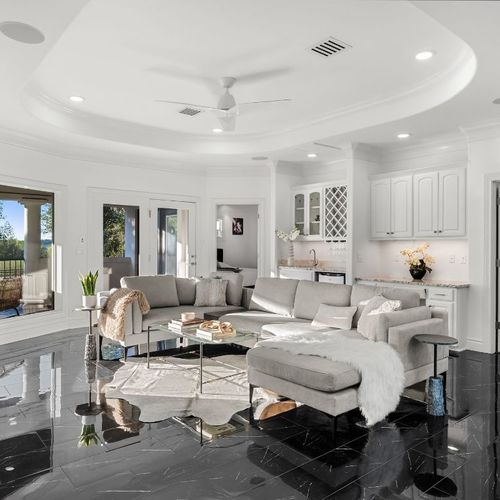
Preparing an older Northwest Hills home for photos does not necessarily mean renovating it before selling. In many cases, the most effective preparation involves cleaning, simplifying, improving lighting, and making thoughtful decisions about what buyers should notice first.
Northwest Hills has a mix of older homes, remodeled properties, traditional floor plans, and houses with established landscaping. Some homes have original finishes that reflect their age, while others have been updated over time. The goal is to present the property's condition honestly while helping potential buyers appreciate its layout, setting, and possibilities.
When I help sellers think through listing preparation, I encourage them to focus on what the camera will capture rather than trying to make every part of the home look brand-new.
Should You Renovate an Older Northwest Hills Home Before Taking Photos?
Usually, it makes sense to start with preparation before committing to a major renovation.
A complete kitchen remodel, bathroom replacement, or flooring project can involve considerable time and expense. Those projects may not be necessary simply to produce attractive listing photos. A cleaner countertop, organized cabinetry, working light fixtures, and a well-arranged living room can make a meaningful visual difference without changing the home's fundamental character.
Begin by walking through the property and identifying the features that deserve attention.
Ask yourself:
- Does the room feel crowded because of the furniture?
- Are personal belongings distracting from the layout?
- Is the natural light blocked by heavy curtains or furniture?
- Are there obvious maintenance issues that can be addressed inexpensively?
- Does the room have a clear purpose?
- Are the home's best features visible from the main photography angles?
The National Association of REALTORS® recommends decluttering, depersonalizing, cleaning, and using staging to help buyers visualize themselves in a home. These steps can often be completed without a full renovation. <Cite refs={["turn645614search0","turn645614search1"]}/>
For an older Northwest Hills home, the right preparation plan depends on its current condition, likely buyer, price range, and the features that make the property distinctive.
How Should You Declutter an Older Home for Listing Photos?
Start by removing items that make rooms feel smaller or visually busy.
Older homes sometimes have smaller rooms, defined living areas, built-in cabinetry, or floor plans that differ from newer construction. Too much furniture can make those spaces feel more restrictive in photographs than they do in person.
Focus first on the living room, kitchen, dining area, primary bedroom, and main bathrooms.
Remove Excess Furniture
You do not need to empty the house. Instead, remove furniture that blocks walkways, covers architectural features, or makes a room difficult to understand.
For example, a living room may photograph better with one sofa, two chairs, and a simple coffee table than with several additional side tables, cabinets, and decorative pieces.
Keep enough furniture to communicate how the room functions. Buyers should be able to recognize the intended use of each space without having to look past unnecessary items.
Clear Countertops and Shelves
Kitchen counters often accumulate appliances, mail, food containers, and cleaning products. Bathroom vanities can become crowded with toiletries and personal care items.
Before the photographer arrives, store most of these items out of sight. A few intentional decorative pieces are usually enough.
For bookshelves and built-ins, remove excess objects and leave some open space between the items that remain. The goal is to show the storage and architectural features rather than the number of belongings a homeowner has accumulated.
Depersonalize Without Removing All Character
Family photographs, collections, and highly personal decorations can draw attention away from the house itself. Temporarily packing some of these items helps create a more neutral presentation.
However, an older home does not need to feel empty or generic. A simple piece of artwork, a few books, greenery, or a well-chosen textile can help a room feel comfortable while keeping the focus on the property.
Which Repairs Matter Most Before Photographing an Older Home?
The camera can make small imperfections more noticeable, especially in close-up images of kitchens, bathrooms, entryways, and windows.
Before investing in cosmetic upgrades, address obvious maintenance issues that are relatively simple to fix.
Focus on Visible Wear
Consider taking care of the following:
- Replace burned-out light bulbs.
- Tighten loose cabinet handles and door hardware.
- Patch obvious nail holes where appropriate.
- Touch up noticeably chipped paint.
- Clean dirty switch plates and door handles.
- Repair loose trim or visibly damaged baseboards.
- Clean mirrors, windows, and glass doors.
- Remove cobwebs and dust from ceiling fans and light fixtures.
These tasks will not make an older home new, but they can help it look maintained and ready for its next chapter.
Do Not Automatically Replace Original Features
Original hardwood floors, traditional cabinetry, vintage tile, built-in shelves, and older architectural details may contribute to the home's character.
Before replacing anything, consider whether the feature is in good condition and whether it fits the home's overall presentation. Sometimes a thorough cleaning or modest repair is enough.
If a feature is worn, damaged, or outdated, discuss whether it should be repaired, disclosed, or simply presented as part of the property's current condition. Photography should accurately represent the home rather than imply that renovations have been completed when they have not.
How Can You Make an Older Kitchen Look Better in Photos?
The kitchen is one of the most important rooms to prepare because buyers often examine its layout, counter space, storage, and condition closely.
You do not necessarily need new cabinets or countertops to improve the presentation.
Start by clearing the counters, removing dish racks, storing cleaning supplies, and putting away small appliances that are not essential to the composition. Clean the sink, faucet, backsplash, and cabinet fronts.
If the cabinetry is original, make sure it is clean and that the hardware is straight and functional. If the countertops have visible stains or residue, clean them thoroughly before the shoot.
Also pay attention to lighting. Replace failed bulbs and make sure the room is evenly illuminated. Open window coverings when natural light helps the space, while allowing the photographer to manage glare and exposure.
Avoid adding too many decorative items to compensate for older finishes. A clean, organized kitchen that accurately shows its condition is generally more useful to buyers than a crowded kitchen with distracting accessories.
How Should You Prepare Older Bathrooms and Bedrooms?
Bathrooms and bedrooms benefit from the same approach: remove distractions, simplify the presentation, and make the spaces look clean and functional.
Bathrooms
Before photography:
- Remove toiletries, medications, toothbrushes, and personal products.
- Clean the mirrors, faucets, shower glass, and visible tile.
- Close the toilet lid.
- Put away laundry baskets and waste bins when practical.
- Hang fresh, simple towels.
- Remove bath mats if they obscure the flooring or make the room feel crowded.
Pay attention to signs of visible wear, such as peeling caulk, stained grout, or damaged fixtures. Address straightforward issues where appropriate, but avoid a rushed renovation solely for the photo shoot.
Bedrooms
Make each bed with clean, neatly arranged bedding. Clear nightstands, remove laundry, and put away charging cables, shoes, and personal belongings.
If a bedroom has a large bed and several additional furniture pieces, consider removing one or two items to create more visible floor space.
For smaller bedrooms, showing a clear path from the door to the bed can help buyers understand the layout. Closets should also be reasonably organized because buyers may want to see the available storage during later showings.
How Can You Highlight Natural Light, Trees, and Views in Northwest Hills?
The setting can be an important part of an older Northwest Hills home's appeal.
Depending on the property, features may include mature trees, established landscaping, outdoor living areas, larger lots, neighborhood streetscapes, or views toward the surrounding hills. Preparation should make those features easier to see.
Open curtains and blinds where appropriate, clean windows, and remove objects blocking the view from important rooms. Move furniture away from windows when it interferes with the composition.
Outside, trim back overgrown plants that obscure the entry, windows, or patio. Clear fallen leaves, sweep walkways, and tidy outdoor seating areas.
If the property has a deck, covered patio, garden, or usable backyard, prepare it as carefully as the interior. Clean outdoor furniture, remove toys and gardening tools, and put away hoses and equipment.
For homes with mature trees, the goal is not to remove the established landscaping that gives the property its character. It is to present the yard as maintained and allow buyers to see the relationship between the house, trees, and outdoor space.
Should You Stage an Older Northwest Hills Home?
Staging can help, but it does not always require renting furniture or hiring a full-service staging company.
The appropriate approach depends on whether the home is occupied, vacant, recently updated, or still has many original finishes.
A simple consultation may be enough for an occupied home. Rearranging existing furniture, removing excess accessories, adding fresh bedding, and improving the arrangement of a living area can make the property easier to photograph.
A vacant home may need furniture to help buyers understand room dimensions and how the spaces connect. In other situations, virtual staging may be considered, provided the presentation is accurate and any material digital alterations are disclosed as required.
According to the National Association of REALTORS®, staging is intended to help buyers visualize a property as their future home, and it does not necessarily require a complete redesign. <Cite refs={["turn645614search0"]}/>
For an older Northwest Hills property, the goal is to make the house feel inviting and easy to understand—not to make it look like a different home.
What Should You Do Outside Before Listing Photos?
Exterior preparation matters because the front of the house often establishes the first impression in a listing's photo gallery.
Walk toward the property from the street and look at what the camera is likely to capture.
Remove vehicles from the driveway if possible, put away trash bins, sweep the entry and walkways, and tidy the porch. Mow the lawn if needed, trim overgrown plants, and remove obvious yard debris.
Check the front door, porch lighting, house numbers, and visible exterior fixtures. If outdoor furniture is present, arrange it neatly rather than leaving chairs at awkward angles.
For an older property, do not overlook the roofline, gutters, visible fencing, or areas where paint is peeling. These details may be worth discussing with your listing agent before the photo session.
Not every exterior issue requires an immediate repair. The important step is to distinguish between inexpensive preparation, maintenance concerns, and larger projects that need a separate cost-benefit discussion.
What Should You Avoid Spending Money on Before Photos?
The most common mistake is confusing photo preparation with a complete pre-sale renovation.
Before committing to a major expense, evaluate whether it will improve the property's presentation enough to justify the cost and delay.
Consider the difference between these examples:
- Cleaning hardwood floors versus replacing them: If the floors are in reasonable condition, cleaning and appropriate care may be sufficient.
- Decluttering a kitchen versus remodeling it: Clear counters and clean cabinet fronts can improve photos without changing the layout.
- Refreshing landscaping versus redesigning the yard: Basic trimming and cleanup may be all that is needed.
- Touching up paint versus repainting the entire interior: A few targeted repairs may address the most visible problems.
- Rearranging furniture versus buying new furniture: Existing pieces may work well once the room is simplified.
The right decision depends on the home, its condition, and the expectations of likely buyers. I would rather see a seller prioritize a few meaningful improvements than spend money on updates that may not contribute much to the final presentation.
What Is the Best Photo-Day Checklist for an Older Northwest Hills Home?
Use this checklist the day before and the morning of the appointment.
Interior
Remove clutter from counters, tables, and floors.
Make beds and arrange pillows.
Clean kitchen and bathroom surfaces.
Dust furniture, baseboards, and light fixtures.
Clean visible windows and mirrors.
Replace burned-out bulbs.
Open curtains and blinds where appropriate.
Store laundry, pet supplies, cleaning products, and personal items.
Turn off televisions and remove unnecessary cords.
Exterior
Move cars out of the driveway.
Put away trash bins and yard equipment.
Sweep the front entry, porch, and walkways.
Tidy the lawn, landscaping, and outdoor seating.
Remove toys and unnecessary patio accessories.
Make sure the front door and entry area are clean.
Final details
Secure valuables, medications, documents, and personal information.
Arrange for pets to be out of the photographed areas.
Confirm which rooms, outdoor spaces, and special features will be photographed.
Walk through the home one final time from the photographer's likely vantage points.
The final review is worth doing. A room can look organized when standing in the doorway but appear cluttered from the angle used for a wide photograph.
Frequently Asked Questions
Do I need to update an older Northwest Hills home before listing photos?
Not necessarily. Start with cleaning, decluttering, lighting, and minor repairs. Major updates should be considered separately based on the property's condition, pricing strategy, and likely buyer expectations.
Should I remove all personal items before photography?
You do not have to remove everything, but putting away family photographs, personal care products, paperwork, and collections can help buyers focus on the house. Keep a few simple decorative pieces if they improve the room's presentation.
Is professional staging necessary for an older home?
Not always. Some properties benefit from professional staging, while others need only a consultation and adjustments to existing furniture. The decision depends on the home's condition, layout, occupancy, and intended marketing strategy.
Should I photograph the backyard if it needs work?
Yes, if the outdoor space is a meaningful part of the property. Tidy it as much as reasonably possible and discuss the best way to present its current condition. Avoid hiding material issues or digitally changing the property in ways that misrepresent it.
How far in advance should I prepare for listing photos?
Allow enough time to declutter, complete any agreed-upon repairs, clean the home, and tidy the exterior before the photographer arrives. Starting several days ahead is often more manageable than trying to complete everything the morning of the shoot.
About the Author
James Lucas is an Austin native and member of The Leverage Team, helping buyers and sellers navigate real estate decisions across Northwest Hills and surrounding Austin neighborhoods. His background includes studying Industrial Technologies at Texas State and serving as a Senior General Manager with Perry's Steakhouse in Austin, Birmingham, and Frisco. James approaches real estate with an emphasis on being excellent, earnest, and easy to work with. His goal is to help clients understand their options and prepare for each step of the process with clarity.
#NorthwestHills #JamesLucas
Check out this article next