
At a Glance
Buyers are drawn to Northwest Hills for its rare balance of central Austin access and a quieter residential setting.
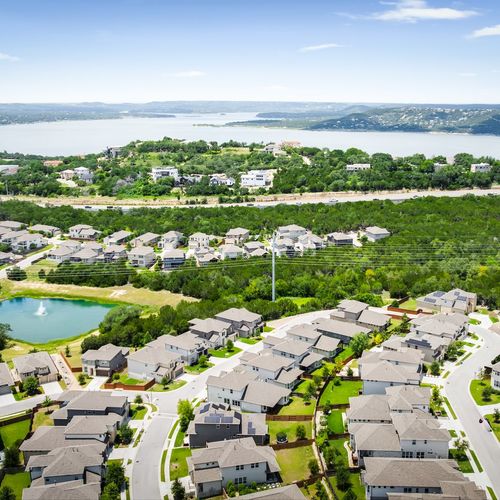
Mature trees, hills, larger lots, and architectural variety give the neighborhood a character that newer communities cannot easily replicate.
Many buyers value the established Austin ISD school options serving the area.
Northwest Hills works particularly well for households balancing downtown, UT, the medical district, and North Austin employment.
The neighborhood is not the right fit for everyone, but for buyers who prioritize location, privacy, and long-term appeal, it remains difficult to replace.
Why does Northwest Hills stand out in a city with so many neighborhood choices?
Austin gives buyers plenty of options. They can choose historic neighborhoods close to downtown, newer communities farther north, established areas in West Austin, or master-planned developments with newer homes and amenities.
So why do so many buyers eventually put Northwest Hills on their shortlist?
The answer is balance.
Northwest Hills offers something that has become increasingly difficult to find in Austin: an established neighborhood with mature trees, real topography, larger residential lots, and convenient access to multiple parts of the city. It does not try to compete with downtown Austin on walkability or with newer suburbs on brand-new construction. Instead, it offers a different combination of qualities that tends to work well for everyday life.
After walking hundreds of homes in Northwest Hills, one thing becomes clear: buyers are rarely choosing the neighborhood because of just one feature. They are choosing it because several important pieces of the puzzle come together in one place.
Why do buyers value the location of Northwest Hills?
Location is usually where the conversation starts.
Northwest Hills sits in a useful position for buyers whose lives are spread across Austin. Depending on the exact address, residents can access MoPac, Loop 360, Far West Boulevard, Burnet Road, downtown Austin, UT, and North Austin without starting their day from the outer edge of the metro.
That matters especially for households where two people work in different parts of the city.
One person may be commuting toward downtown, UT, or the medical district while another heads north toward the Domain or the technology corridor. Northwest Hills is not perfectly positioned for every destination, but it gives many households more flexibility than neighborhoods located much farther north or south.
The important distinction is that Northwest Hills is central without feeling urban.
Once buyers turn off the main roads and into many of the residential sections, the experience changes. The streets become quieter. The trees become more prominent. The homes sit within an established landscape rather than a newly built streetscape.
For many buyers, that contrast is the point.
Why do the trees and hills matter so much?
Austin has grown quickly, and much of that growth has happened through denser development and newer construction.
Northwest Hills feels different because the landscape was already there.
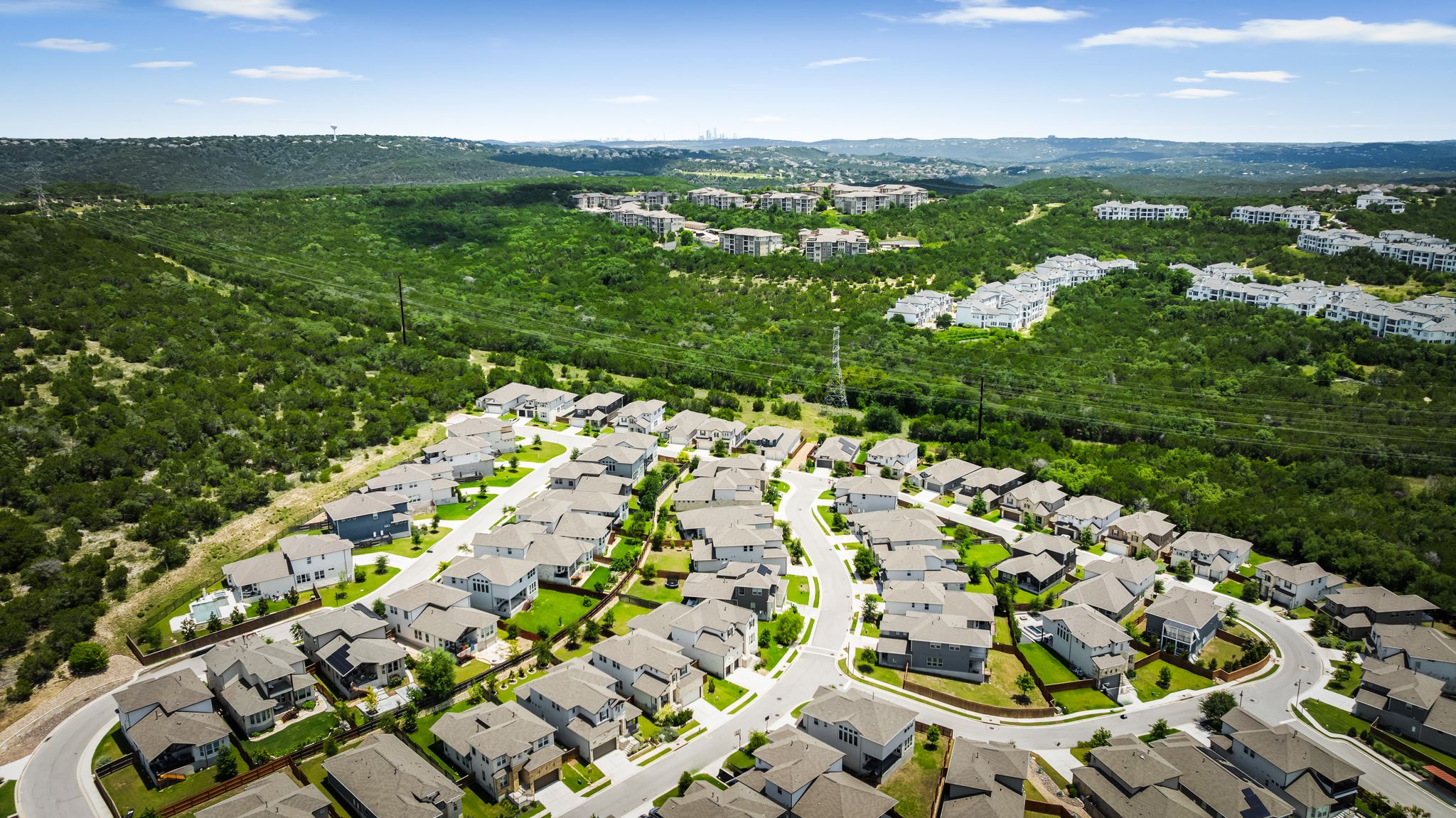
Mature oak trees, rolling terrain, winding streets, and changes in elevation create a sense of place that is difficult to manufacture. The neighborhood has visual variety from block to block, and the topography often creates privacy, views, or separation between homes.
That becomes especially noticeable when buyers have spent several weekends touring newer communities.
A new house may offer a more modern floor plan. A newer development may offer sidewalks and community amenities. But Northwest Hills offers something else: an established environment.
In my experience working with buyers here, the tree canopy often becomes more important after people have spent time in Austin through a full summer. Shade, privacy, and a mature landscape are not simply aesthetic features. They affect how a neighborhood feels every day.
Why do buyers like the homes in Northwest Hills?
There is no single Northwest Hills house.
That is one of the neighborhood's strengths.
Buyers may find original ranch homes, mid-century properties, thoughtfully updated homes, contemporary remodels, hillside homes, and custom rebuilds. The housing stock spans several decades, which creates more architectural variety than buyers often find in newer subdivisions.
That variety also creates opportunity.
Some buyers want a home that has already been extensively updated. Others prefer an original home with a strong location and layout, where they can make selective improvements over time.
The key is understanding that Northwest Hills values can change significantly from one street to another. Elevation, views, lot usability, privacy, renovation quality, and proximity to busier roads all matter.
Two homes with similar square footage can have very different appeal.
That is why buyers who understand Northwest Hills tend to evaluate the property and the location together rather than focusing only on the house itself.
How important are schools to Northwest Hills buyers?
Schools remain an important part of the decision for many households.
The Austin ISD campuses associated with different parts of the Northwest Hills area are a major reason families include the neighborhood in their search. Austin ISD provides the official information buyers should use to verify current attendance boundaries and school assignments for a specific property.
For families considering homes in 78731 and nearby areas, schools commonly included in the broader conversation include Doss Elementary, Highland Park Elementary, Murchison Middle School, Anderson High School, Lamar Middle School, and McCallum High School.
The important point is that school assignments should always be verified for the individual address.
Buyers should not assume that a neighborhood name automatically guarantees a particular campus assignment. Boundaries can be nuanced, and the right approach is to confirm the information before making an offer.
What makes Northwest Hills particularly appealing is that school considerations are only one part of a broader lifestyle decision. Buyers are not necessarily choosing between schools alone. They are considering schools alongside commute time, lot size, neighborhood character, and the kind of home they want to live in.
How does Northwest Hills compare with newer Austin suburbs?
Newer communities farther north can offer something Northwest Hills often does not: newer homes, more predictable floor plans, newer infrastructure, and master-planned amenities.
For some buyers, that is exactly the right choice.
But other buyers eventually decide they do not want to trade as much location for newer construction.
A household moving from central Austin may want more space but still want to remain connected to the city. A buyer relocating to Austin may initially focus on a new home, then realize that a longer commute affects daily life more than expected.
This is where Northwest Hills often enters the conversation.
The neighborhood gives buyers the option to choose character and location over uniformity.
That does not mean every home is move-in ready. Older homes require more careful evaluation, and buyers should understand the condition of major systems, drainage, foundations, trees, and hillside lots.
But many buyers would rather make selective improvements to a well-located home than pay for a completely new house much farther from the parts of Austin they use most.
Why do move-up buyers often choose Northwest Hills?
A significant number of Northwest Hills buyers already know Austin.
They may have started in a condo, a smaller home, or a denser central neighborhood. Over time, their priorities change.
They want another bedroom. More outdoor space. A quieter street. Room for a home office. Better separation between living areas.
But they do not necessarily want to leave Austin behind.
Northwest Hills often works for that transition.
It gives buyers more space while preserving access to the parts of the city they already enjoy. Restaurants, employment centers, schools, parks, and central Austin are still part of the equation.
After working with sellers and buyers here, I often find that this is one of the neighborhood's strongest advantages. Northwest Hills is not simply a place people move to when they want a bigger house. It is a place people choose when they want their daily life to remain manageable as their needs change.
What is daily life actually like in Northwest Hills?
The appeal of Northwest Hills is often easier to understand on a normal Tuesday than during a Saturday open house.
Daily life tends to revolve around practical convenience.
People head to school, work, nearby grocery stores, restaurants, parks, and appointments without feeling as though every errand requires crossing the entire city. At the same time, many residential streets retain a quieter atmosphere than buyers might expect from such a centrally located area.
The neighborhood is still largely car-oriented, and buyers looking for highly walkable access to restaurants and nightlife may prefer a different part of Austin.
But buyers who value residential calm often see that as a worthwhile trade.
Northwest Hills offers access to Austin without requiring the neighborhood itself to feel constantly busy.
What should buyers understand before choosing Northwest Hills?
Northwest Hills is not perfect, and buyers should understand the tradeoffs.
Homes are often older. Some lots are sloped. Maintenance needs can vary significantly. Renovations are not always equal in quality. Walkability depends heavily on the specific pocket.
And the neighborhood is not inexpensive simply because the homes are older.
The value is often in the location, land, trees, privacy, and long-term desirability.
This is also a neighborhood where selective preparation and careful evaluation matter. Buyers should avoid assuming that every older home needs a complete transformation. Sometimes the best property is the one with good fundamentals and a clear path for thoughtful updates over time.
That is very different from buying based on finishes alone.
Local Insight: Who is moving to Northwest Hills?
Northwest Hills tends to attract a broad mix of buyers.
There are families planning around schools. Professionals balancing different commute directions. Move-up buyers leaving smaller homes. Relocating households looking for established Austin character rather than a new subdivision.
Seasonality also plays a role.
Spring often brings buyers who want to move around the school calendar, while summer can highlight one of the neighborhood's less obvious advantages: mature tree canopy and established outdoor spaces. Fall often brings buyers who have spent enough time in Austin traffic to reconsider how far from the city they really want to live.
In my experience working with sellers here, the homes that attract the strongest interest are not always the ones with the most expensive renovations. Buyers respond to good lots, privacy, natural light, thoughtful maintenance, and a home that feels appropriate for its location.
That is one reason Northwest Hills remains such a nuanced market.
Frequently Asked Questions About Northwest Hills
Why is Northwest Hills popular with Austin home buyers?
Buyers are attracted to its combination of mature trees, established homes, larger lots, Austin ISD options, and access to both central and North Austin.
Is Northwest Hills close to downtown Austin?
Northwest Hills offers relatively convenient access to downtown, UT, and other central Austin destinations, although actual commute times vary by address and traffic conditions.
Are all Northwest Hills homes the same style?
No. Buyers can find ranch homes, mid-century architecture, updated traditional homes, contemporary remodels, and custom construction throughout the area.
Is Northwest Hills better than a newer Austin suburb?
That depends on priorities. Buyers who value new construction and planned amenities may prefer newer suburbs. Buyers who prioritize central location, mature landscaping, established character, and shorter access to multiple Austin destinations often prefer Northwest Hills.
What should I look for when buying a home in Northwest Hills?
Pay close attention to the specific street, lot topography, drainage, privacy, condition of major systems, quality of renovations, and current school assignment. In Northwest Hills, location within the neighborhood can matter almost as much as the house itself.
The Bottom Line
Buyers choose Northwest Hills because it solves a particular Austin problem.
They want more space without moving too far away. They want trees and privacy without giving up access to the city. They want an established neighborhood without feeling disconnected from Austin's employment centers and daily conveniences.
It is not the newest neighborhood. It is not the most walkable. And it is not the right answer for every buyer.
But for people looking for a long-term balance of location, character, privacy, and everyday practicality, Northwest Hills continues to stand apart.
If Northwest Hills is part of your search, it is worth starting the conversation early. Understanding the different pockets, home types, and tradeoffs before the right property appears can make the decision much clearer.
#NWHills #JamesLucas
Check out this article next